



Tether and Circle’s Recent Actions Against Iranian Exchange Wallex: Implications and Insights
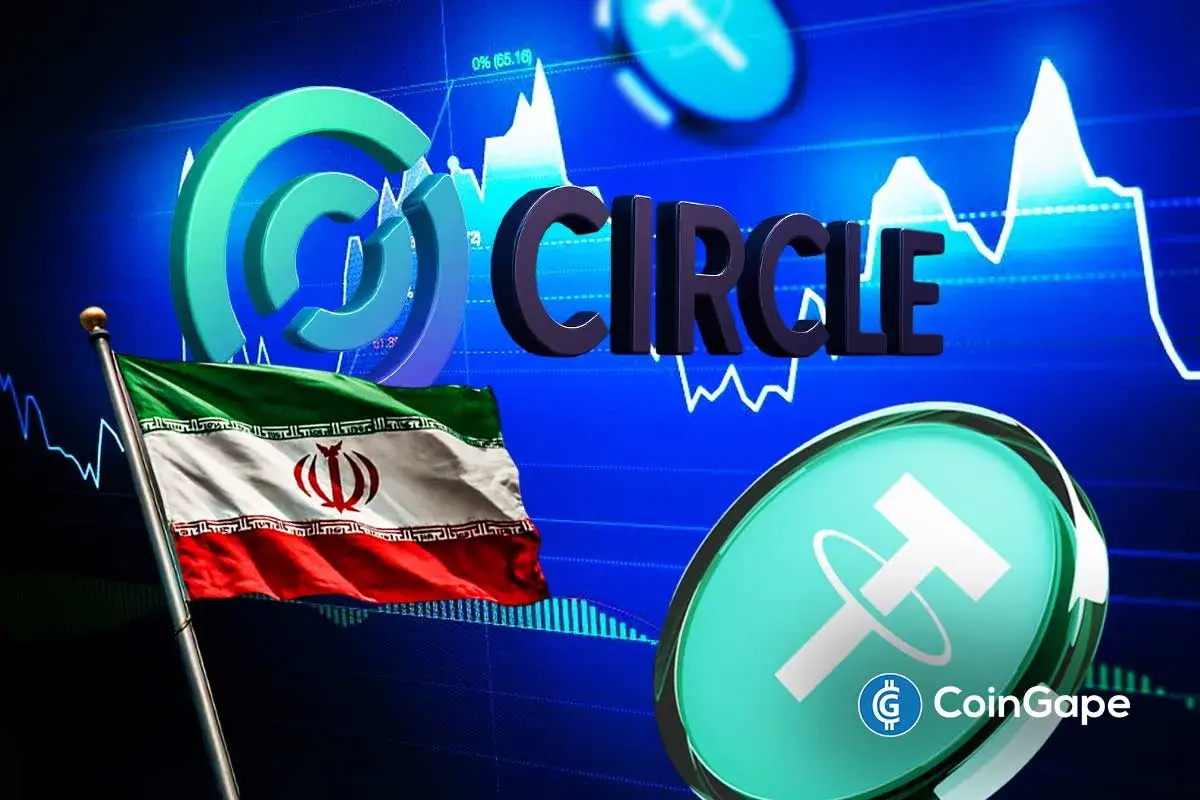
In a decisive move reflecting the growing scrutiny on crypto transactions tied to Iran, stablecoin giants Tether and Circle have frozen funds associated with the Iranian crypto exchange, Wallex. The freeze specifically targeted a wallet containing approximately $117,000 in USDT (Tether) and USDC (USD Coin), effectively halting the exchange’s ability to transfer assets across different blockchains. This development underscores significant shifts in the regulatory landscape surrounding cryptocurrency, particularly as it relates to Iran.
Details of the Fund Freeze
On March 25, blockchain investigator ZachXBT reported the freezing of a specific Ethereum wallet (0x6926…43df) linked to Wallex. In total, approximately $2.49 million had been moved into wallets that were subsequently frozen, although no withdrawals occurred post-freeze. Both Tether and Circle implemented these actions without there being official sanctions against Wallex by the U.S. Office of Foreign Assets Control (OFAC). This essentially means that although the exchange hasn’t been directly sanctioned, it is still entangled in a wider surveillance apprehension due to its connection with Iran, which is currently facing extensive sanctions.
The Impact on Wallex
Despite the freezing of certain wallets, Wallex remains operational, with its website still running and no formal announcements regarding the situation. While $2.49 million moved to the Binance Smart Chain (BSC) remains untouched for now, the targeting of specific wallets indicates that more could be vulnerable to similar actions in the future. As Tether and Circle tighten their grip, it raises questions about the operational viability of platforms that deal with Iranian clients or transactions.
Increasing Pressure on Iranian Crypto Platforms
The collaborative move by Tether and Circle reflects a broader trend towards increasing scrutiny and regulatory measures against platforms associated with Iran. Since early 2023, Tether has blacklisted over $3.3 billion worth of USDT across more than 7,000 wallets, signifying a significant commitment to eliminating non-compliant entities from its network. Similarly, in January 2023, the OFAC sanctioned two UK-registered exchanges for handling over $1 billion in transactions linked to Iran’s Revolutionary Guard. These actions indicate a strong regulatory focus on curbing the flow of funds that could potentially aid illicit activities.
Domestic Challenges in Iran
Interestingly, the pressure on Iranian exchanges isn’t solely external. Factors within Iran are also influencing the crypto landscape. The Central Bank of Iran has reportedly instructed major exchanges, including Wallex and Nobitex, to pause USDT-to-toman trading. This is part of a strategy to limit capital flight, especially given ongoing geopolitical tensions that threaten the country’s economic stability. As a result, domestic limitations on cryptocurrency trading may complicate the efforts of exchanges, heightening the need for compliance and adaptability.
Conclusion: The Future of Iran-Linked Crypto Transactions
The recent actions taken by Tether and Circle against Wallex signal an evolving regulatory landscape for cryptocurrencies tied to Iran. As the scrutiny intensifies, exchanges operating in this sphere must navigate a complex environment marked by both domestic and international pressures. Whether through potential sanctions or internal regulatory measures, the future of Iran-linked crypto transactions is likely to be fraught with challenges. Exchanges must adapt to these realities, ensuring compliance while also attempting to maintain operational efficacy in a rapidly changing marketplace.