


South Korea’s Legislative Shift: Embracing Blockchain Securities and Asset Tokenization
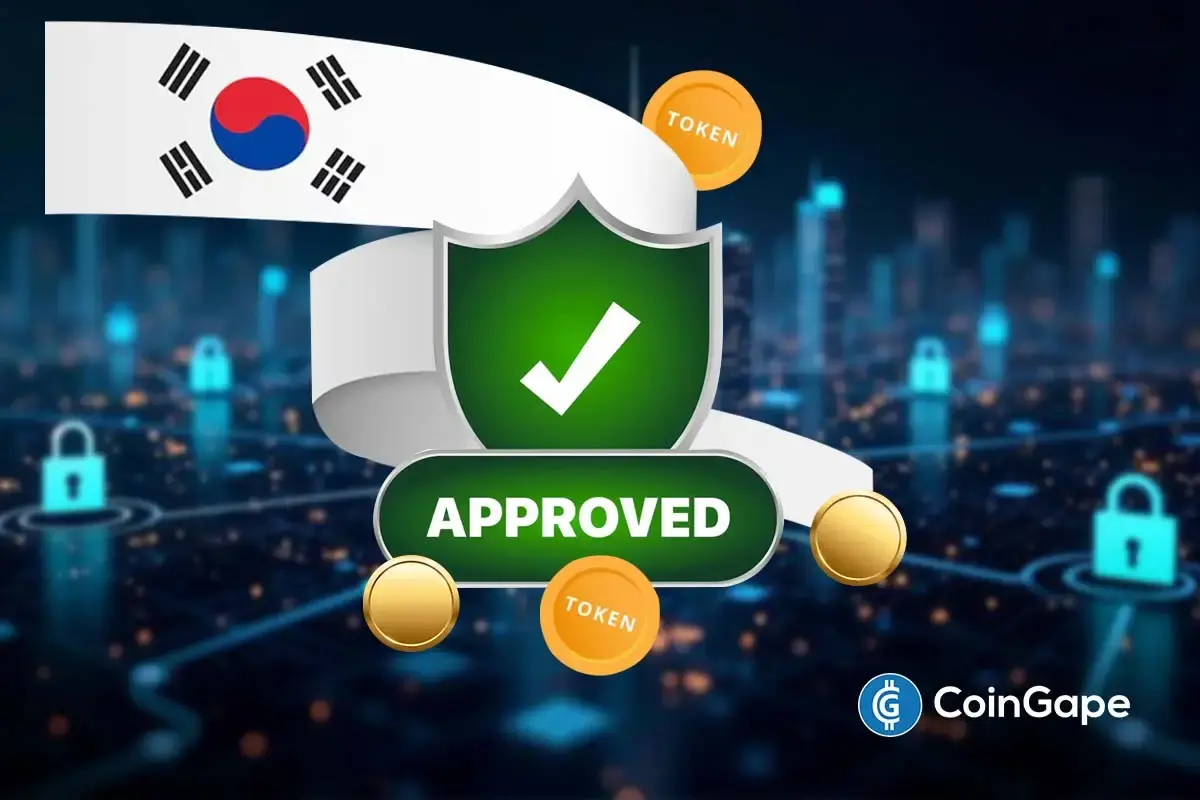
South Korea has taken a significant leap into the world of blockchain securities, solidifying its position as a frontrunner in the financial ecosystem’s ongoing evolution. Recent amendments to existing laws, particularly the Capital Market Act and the Electronic Securities Act, have laid the groundwork for the legal issuance and trading of tokenized securities. This shift represents a pivotal moment in South Korea’s approach to digital assets, as the National Assembly officially lifts its ban on this innovative financial vehicle.
Legislative Framework for Tokenized Securities
On a historic Thursday, South Korea’s National Assembly approved crucial modifications to its financial laws, thus enabling a regulatory framework for tokenized securities. Lawmakers have recognized the role of blockchain technology in the issuance and trading of securities, tapping into distributed ledger technology to create a more efficient and transparent system. The amendments allow eligible issuers to incorporate digital securities into their offerings, thereby streamlining the process and enhancing market accessibility. This legislative embrace points towards a broader acceptance of blockchain within the financial sector.
Integration of Blockchain Technology
The recent legislative changes reinforce South Korea’s intention to integrate blockchain technology into existing market systems rather than replace them. South Korean officials articulated that the new framework aims to facilitate better account management through the assistance of a distributed ledger. This innovation is expected to increase the efficiency of smart contracts—automated agreements executed on the blockchain—further enhancing the issuance and settlement processes for securities. The Financial Services Commission (FSC) highlighted the anticipated deeper involvement of smart contracts in blockchain-based securities, setting a precedent for future financial interactions.
Streamlining Digital Asset Trading
Following the parliamentary approval, the newly amended laws will move forward for presidential promulgation, anticipated to occur seamlessly. Once enacted, these laws will officially come into effect in January 2027, marking a new era for digital assets in South Korea. The embrace of tokenized securities comes in concert with another groundbreaking regulatory development—the finalization of regulations that empower corporate entities and institutional investors to trade digital assets. After nearly a decade of restrictions, this shift opens the door for greater corporate engagement in the digital asset landscape, aligning with global trends.
Global Trends in Asset Tokenization
The push for asset tokenization isn’t limited to South Korea; it reflects a broader global momentum. Recent initiatives have emerged from regulators in the United States aimed at simplifying regulatory hurdles related to digital asset trading. As institutional interest in this burgeoning market grows, large financial organizations like JPMorgan have already begun to capitalize on the opportunities presented by tokenization. They have launched a tokenized money market fund, demonstrating a growing trend toward integrating blockchain technology into traditional finance.
Market Predictions and Growth Projections
Market forecasts predict explosive growth in the tokenization sector. The Boston Consulting Group estimates that South Korea’s tokenized securities market alone could balloon to approximately $249 billion by the end of the decade. Furthermore, projections from Standard Chartered suggest that the global tokenization market may reach up to $2 trillion by 2028. These figures underscore the vast potential and transformative power of asset tokenization as it becomes a key driver of economic evolution in the digital age.
Conclusion: A Forward-Thinking Financial Future
South Korea’s legislative advancement in blockchain securities is a landmark step forward that not only enhances its financial ecosystem but also positions the nation as a global leader in asset tokenization. As legislation paves the way for innovative solutions, the integration of blockchain technology offers promising prospects for efficiency, transparency, and accessibility in financial transactions. With a clear commitment from lawmakers and regulators, South Korea is poised for rapid growth and a bright future in the rapidly evolving world of digital assets.