



Senator Elizabeth Warren’s Crusade Against World Liberty Financial’s Bank Charter
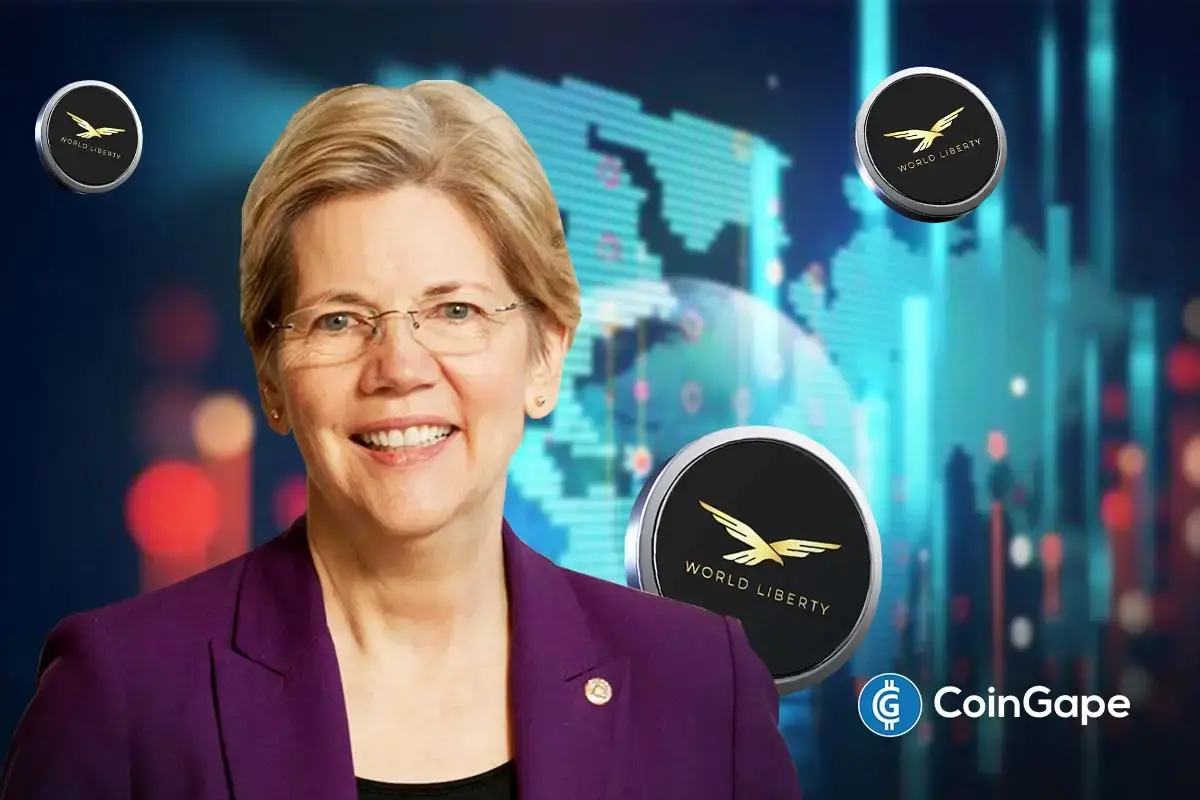
In recent developments within the crypto sector, Senator Elizabeth Warren has taken a firm stance against World Liberty Financial Inc. (WLFI), a crypto company associated with former President Donald Trump. Warren is urging regulators to either block or pause the company’s application for a national bank charter, raising serious ethical concerns related to Trump’s unresolved financial entanglements. These charges place WLFI at the forefront of what Warren describes as a corruption scandal of unprecedented proportions in U.S. history.
A Push for Regulatory Scrutiny
During a Senate Banking Committee hearing, Warren called on Jonathan Gould, the Comptroller of the Currency, to reconsider WLFI’s bank charter application. In her poignant remarks, she stated, “President Trump’s crypto company is now at the center of perhaps the most disgraceful Presidential corruption scandal in U.S. history.” Her accusations underscore a growing sentiment among lawmakers that the intersecting interests of political leaders and financial operations warrant greater scrutiny.
Senator Warren’s vocal opposition to WLFI is not isolated. She has previously urged financial authorities to investigate an alleged secret investment tied to a royal entity from the UAE, linking it to potential corruption and a lack of transparency. This continued focus on ethical considerations reveals an intense climate of accountability surrounding crypto companies, particularly those with strong political ties.
The Case Against World Liberty Financial
Warren’s concerns are deeply rooted in a series of factors that she believes warrant immediate regulatory intervention. She highlighted a controversial $500 million investment from the UAE in WLFI, as well as Trump’s ongoing financial connections to the firm. Furthermore, she pointed out what she sees as a conflict of interest for Gould, appointed by Trump himself, suggesting that this relationship could sway the decision-making process in WLFI’s favor.
Her persistent requests for a halt to the application process emphasize the complexities at the intersection of finance and ethics. In her view, allowing WLFI to proceed unchecked could lead to a dangerous precedent, not only for crypto companies but for regulatory integrity at large.
Regulatory Resilience Against Political Pressure
Despite Warren’s pressing demands, Gould has remained unwavering in his stance. He stated that his office would continue to evaluate WLFI’s application according to standard practices—not based on political considerations. Gould asserted, “The only political pressure I have felt from any part of the U.S. government, Senator, is from you.” His response reveals the operational independence that financial regulators strive to maintain, despite impending political challenges.
This rift not only highlights the operational integrity aimed for within regulatory bodies but also reflects a broader debate surrounding the obligations of regulators amid political pressures. Gould’s commitment to a standardized application review process illustrates the complexities and nuances involved in navigating such politically charged waters.
The Political Divide on Crypto Regulation
The heated exchange between Warren and Gould emphasizes a growing divide in U.S. politics—especially regarding cryptocurrency regulation and the ethical considerations tied to it. Warren’s claims highlight widespread concerns that the financial regulations governing cryptocurrencies may not keep pace with their rapid evolution or the high-profile figures associated with them.
As this debate unfolds, it brings forward critical discussions about the accountability of financial institutions, the obligations of regulators, and the ethical responsibilities of political figures in their financial dealings. This tension represents not only a regulatory challenge but a societal one as well; one that raises questions about the future of financial oversight in the rapidly changing landscape of digital finance.
Future Implications for World Liberty Financial
Amidst the heated regulatory debate, World Liberty Financial is moving forward with its ambitious plans to launch a foreign exchange platform, dubbed “World Swap.” As covered by CoinGape, WLFI aims to integrate this service within the USD1 stablecoin ecosystem, marking a significant step in its operational expansion.
The company’s future endeavors will likely be closely monitored by both regulators and critics alike, as the implications of their operations could have far-reaching consequences on public trust in financial institutions. Moreover, the more extensive legislative scrutiny WLFI faces might foster greater regulatory frameworks for other crypto entities, setting a precedent for how future applications are treated.
Conclusion: A Call for Greater Transparency
Senator Elizabeth Warren’s campaign against World Liberty Financial serves as a crucial reminder of the importance of transparency in the cryptocurrency sector. The ongoing debates surrounding WLFI’s bank charter application call for a more nuanced understanding of how political entanglements can undermine public trust. As the crypto landscape continues to evolve, the combination of regulatory vigilance and ethical accountability will be essential in maintaining the integrity of financial systems.
This situation reminds us that the future of crypto should not only be about innovation but also about ensuring that such innovations align with ethical standards and public interests. The outcome of Warren’s challenge remains to be seen, but it undoubtedly sets the tone for ongoing discussions about the future of cryptocurrency regulation in America.