




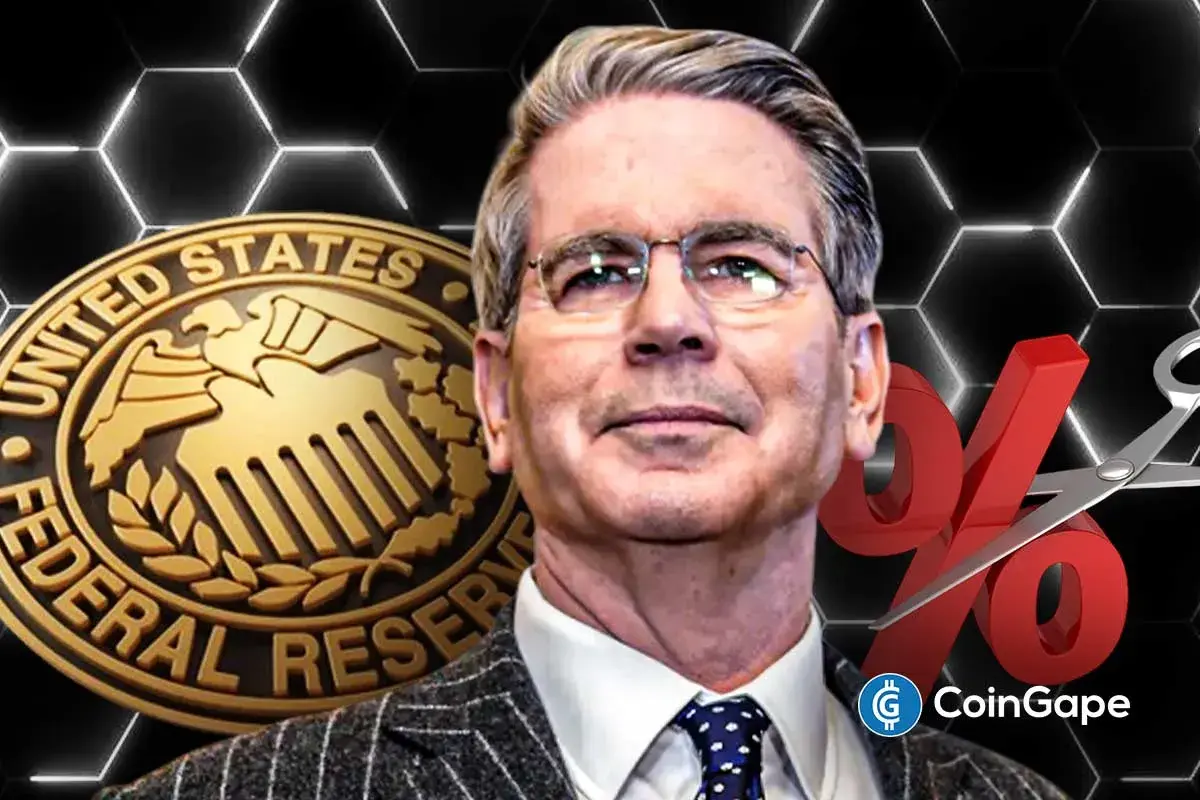
Title: The Future of U.S. Monetary Policy: A Call for Growth-Oriented Federal Reserve Leadership
In light of recent economic discussions, Treasury Secretary Scott Bessent advocates for a significant shift in Federal Reserve policy, moving from a restrictive strategy to a more growth-oriented approach. With former Fed governor Kevin Warsh emerging as a leading candidate for Federal Reserve Chairman under President Donald Trump, the landscape of U.S. monetary policy could be poised for transformative changes. This article explores Bessent’s insights, the implications of a Warsh-led Fed, and the potential impacts on the economy and investors.
A Shift Towards Growth-Centric Monetary Policy
Scott Bessent has raised alarm bells about the Federal Reserve’s overly restrictive monetary policy, particularly during times of economic expansion. He argues that while rapid economic growth can stir concerns about inflation or overheating, it doesn’t always lead to negative outcomes. Bessent emphasizes that productivity gains often characterize economic expansions, which can drive costs down rather than inflate them. This perspective challenges the Fed’s current trajectory and calls for a broader understanding of economic dynamics.
The Case for Flexibility in Policy-Making
Drawing lessons from past economic climates, Bessent points to the 1990s as a golden era for U.S. economic growth, under the leadership of former Fed Chairman Alan Greenspan. Bessent highlights Greenspan’s adaptive approach to monetary policy, where decisions were made based on comprehensive data rather than reactive policies driven by immediate headline data. He argues that a similar flexible and open-minded leadership style is essential for fostering sustained economic growth today, allowing for shifts that align with real economic conditions.
Implications of Potential Fed Leadership Changes
As Kevin Warsh’s candidacy gains momentum, discussions about Fed chairmanship have intensified. President Trump’s previous criticisms of the current Fed chair and his penchant for a growth-focused monetary environment have opened the door for Warsh to assume the top position. Warsh’s historical experience on the Federal Reserve Board during the financial crisis adds depth to his qualifications and perspective on maintaining economic stability while fostering growth.
The Balance Between Growth and Inflationary Pressures
Bessent posits that nominal GDP could grow between 7% and 8% without triggering inflation, attributing this potential to advancements in technology and capital efficiency. His insights suggest that with the right leadership, it is possible to stimulate economic growth while maintaining price stability. This equilibrium is crucial for investor confidence and long-term economic health, reinforcing the need for the Federal Reserve to be proactive rather than reactive in its monetary policy.
Importance of Credibility and Communication
In advocating for a new direction at the Fed, Bessent emphasizes the significance of credibility and effective communication as pillars of successful monetary policy. Clear explanations behind policy decisions can instill confidence among investors and market participants. This transparency is vital in fostering trust, as uncertainty can hinder economic growth and investor behaviors. A Fed that builds rapport through transparent policy measures can better navigate the complexities of a growing economy.
Impact on Investor Behavior and Market Dynamics
The potential appointment of Warsh as Fed Chair has led to rising speculation in prediction markets regarding future monetary policy directions. Early speculation suggests that Warsh may not lean towards aggressively decreasing interest rates, which aligns with Bessent’s vision for maintaining a balanced approach to economic growth. As investor sentiment shifts in response to these dynamics, understanding the implications of a pro-growth Fed leadership will be crucial for strategies moving forward.
In conclusion, the upcoming appointment of the Federal Reserve Chair could mark a turning point in U.S. monetary policy. With advocates like Scott Bessent at the forefront, a growth-oriented approach offers a promising avenue for fostering economic stability, flexibility, and investor confidence. The direction the Fed takes under this new leadership will undoubtedly shape the landscape of U.S. financial markets for years to come.