


The Future of Capital Markets: SEC’s Tokenization Innovation Exemption
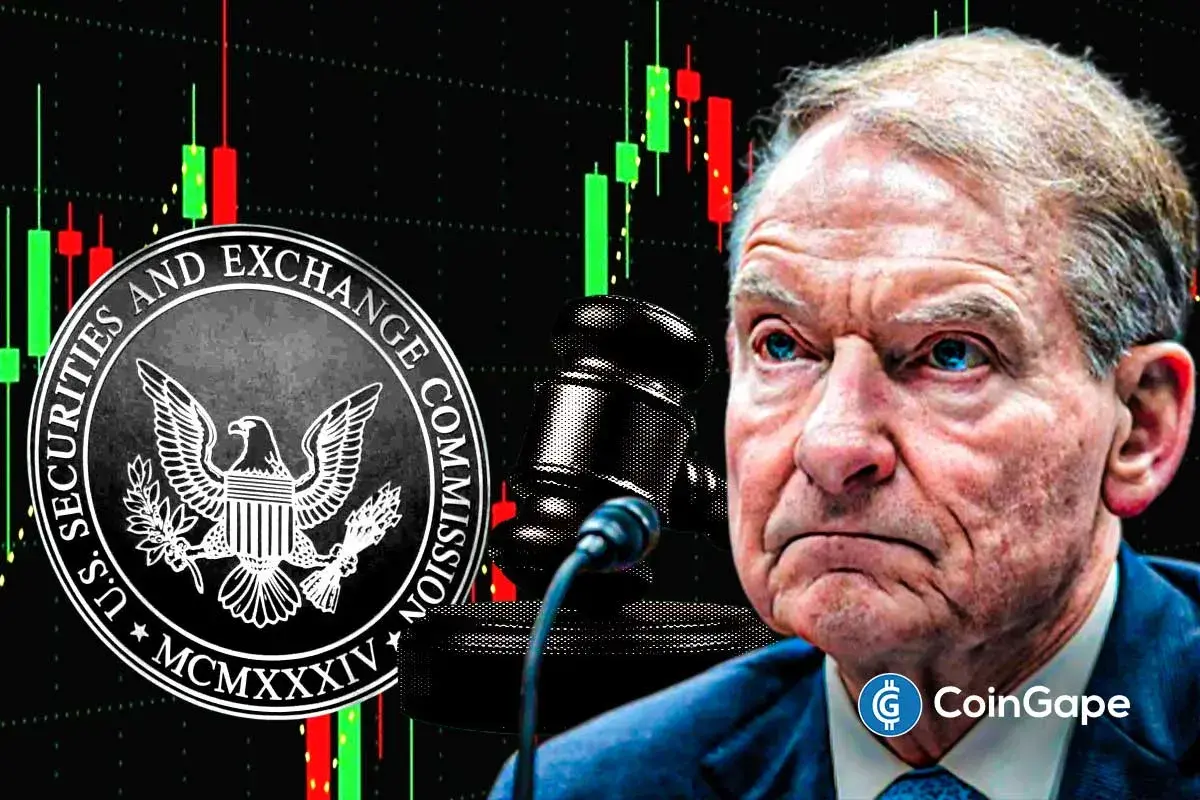
In a significant development for the financial landscape, SEC Chair Paul Atkins recently indicated that the much-anticipated tokenization innovation exemption could be rolled out within weeks. This announcement coincided with a critical hearing held by the U.S. House Financial Services Committee, focusing on the role of tokenized securities in modernizing capital markets. This innovation exemption aims to simplify the cumbersome regulatory requirements, allowing more flexibility for capital markets to adopt on-chain securities.
SEC’s Innovation Exemption Framework
The SEC’s innovation exemption framework is currently undergoing clearance from the Office of Information and Regulatory Affairs (OIRA) as part of the Office of Management and Budget (OMB). This regulatory sandbox is positioned as a means for capital markets to transition to a blockchain framework without being constrained by existing regulatory hurdles. Paul Atkins emphasized the potential of this framework to reshape how securities are traded. In addition, the SEC plans to invite public comments to guide the finalization of rules, making it a collaborative effort aimed at fostering innovation while ensuring regulatory compliance.
The Role of Commissioner Hester Peirce
Commissioner Hester Peirce has spotlighted the efforts of SEC staff who are working on a “narrow” exemption designed to facilitate limited trading of selected tokenized securities. This initiative is aimed at allowing firms the opportunity to experiment with blockchain technology within a controlled environment. Noteworthy progress has already been made; Nasdaq has received approval for a pilot program in tokenized securities trading, set to launch in phases in the third quarter of 2026. This pilot highlights the emerging interest in tokenization from traditional finance institutions, fostering a culture of innovation in the financial sector.
A Bipartisan Consensus on Tokenization
During the recent House Financial Services Committee hearing titled "Tokenization and the Future of Securities: Modernizing Our Capital Markets," there was a notable bipartisan agreement regarding the potential of tokenized securities. Representatives from both parties acknowledged that while the future of securities rests on tokenization, an effective and existing regulatory framework is still missing. The discussions underscored the broader implications of tokenization for market integrity, investor protection, and capital formation, boosting the push for legislative actions.
The Voice of the Blockchain Association
Summer Mersinger, CEO of the Blockchain Association, emerged as a pivotal figure in discussions about the regulatory future of digital assets. She stressed the importance of regulatory clarity that accurately represents how blockchain systems operate. According to Mersinger, "Tokenization can strengthen U.S. capital markets, expand access to investment, and support more modern financial infrastructure." Her insights convey that timely and clear regulation could elevate the sector, offering unprecedented investment opportunities that were previously available only to a select few.
Embracing a New Era in Capital Markets
The recent engagements surrounding tokenization reflect a paradigm shift in the investment landscape. U.S. representatives, such as Bryan Steil and Warren Davidson, expressed optimism that tokenization, combined with blockchain technology, would solidify the dominance of U.S. capital markets in an emerging Web3 ecosystem. Despite previous setbacks and regulatory delays during the Biden administration, the recent momentum indicates a transformative phase on the horizon. The introduction of the SEC’s innovation exemption signals a commitment to redefining the investment landscape, ensuring that tokenization can benefit a more extensive pool of investors and reinforce the U.S.’s standing in global finance.
In summary, the SEC’s upcoming innovation exemption for tokenization presents a promising development in redefining capital markets. As the securities regulator works collaboratively with lawmakers and industry experts, the potential for tokenized securities to enhance market access and integrity becomes increasingly palpable. The future is bright for traditional finance institutions eager to engage with innovative blockchain solutions, marking a transformative era for the investment landscape.