


Nasdaq’s Approval of Tokenized Securities: Bridging Traditional Finance and Blockchain
In a groundbreaking move for the American financial landscape, the U.S. Securities and Exchange Commission (SEC) has officially approved Nasdaq’s proposal to facilitate the trading of securities in tokenized formats. This monumental development, which aims to harmonize traditional financial markets with blockchain technology, marks a significant step in the evolution of how assets may be traded in the future. The SEC’s approval, granted on March 18, followed Nasdaq’s proposal that was first introduced in September 2025 and revised in January 2026.
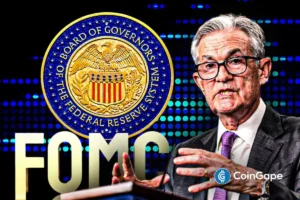
This approval coincided with a notable decision by the Federal Reserve to maintain interest rates, a choice that sent waves through the broader market, resulting in a sharp decline in Bitcoin prices, which fell below $71,000 before recovering. Fed Chair Jerome Powell indicated that interest rate cuts would not materialize without observable progress on inflation, thus applying additional pressure on risk assets. This timing underscores an ongoing tension in financial markets where institutional adoption of blockchain technologies contrasts with a cautious macroeconomic environment.
How Nasdaq Tokenized Securities Will Work
The mechanics of trading tokenized securities have been designed to facilitate a seamless transition between traditional and digital trading methods. Tokenized shares will be traded on the same order books as conventional shares, featuring identical tickers and prices, thereby granting token holders the same rights and privileges as owners of traditional securities. According to journalist Eleanor Terrett, investors can execute trades in Russell 1000 stocks and ETFs that track the S&P 500 and Nasdaq 100, opting for settlement as tokenized securities rather than utilizing traditional methods.
The opt-in nature of this feature allows eligible market participants to choose tokenized trading by marking a designated flag at the order entry stage. This selection communicates their blockchain and digital wallet preferences to the Depository Trust Company (DTC), which centralizes the tokenization process. This innovative approach does not alter Nasdaq’s existing matching engine or trading procedures, ensuring that all order types, fees, and market surveillance mechanisms remain applicable to both tokenized and traditional shares.
A Forward Momentum in Financial Markets
As Nasdaq pushes forward with tokenized securities, the approval arrives amid ongoing legislative discussions surrounding the Clarity Act, aimed at establishing a robust regulatory framework for cryptocurrencies. One observer encapsulated the prevailing sentiment on social media, stating, “With or without the Clarity Act, we move forward.” This statement reflects a growing determination among market participants to adapt and innovate, regardless of the regulatory landscapes.
Nasdaq plans to issue an Equity Trader Alert at least 30 days before launching tokenized trading. This advance notice is a strategic move designed to provide market participants ample time to prepare, ultimately ensuring a smooth transition into the tokenized trading environment. The initiative is expected to come into effect once the DTC has set up the necessary infrastructure and post-trade settlement services, underlining the collaborative efforts required for such an extensive market overhaul.
Navigating Macro Challenges
The entry of tokenized securities into the mainstream presents both opportunities and challenges for investors. While blockchain technology is gaining traction among institutional players, it finds itself caught in a complex dance with broader macroeconomic factors. As cryptocurrencies and blockchain initiatives gain popularity, the market remains sensitive to fluctuations in fiscal policy and economic conditions. For instance, while the SEC’s approval of Nasdaq’s proposal signals a bullish sentiment towards blockchain adoption, the Federal Reserve’s recent decisions indicate a more cautious approach to risk assets, reflecting uncertainty in the economic environment.
The juxtaposition of institutional interest in blockchain innovations against macroeconomic pressures encapsulates the current state of financial markets. Many see this approval as a pivotal moment in the shift from traditional finance to a more decentralized, technology-driven system. The full realization of tokenized securities may usher in a new era of trading, defined by increased efficiency, transparency, and accessibility in financial transactions.
The Future of Trading
Looking ahead, the successful integration of tokenized securities into traditional equity markets may set important precedents for the broader adoption of blockchain technology across various financial sectors. With Nasdaq leading the charge, other exchanges may follow suit, leading to a paradigm shift in asset trading practices. As market participants familiarize themselves with both tokenized and traditional trading mechanisms, more opportunities for innovation will emerge.
The pathway to success, however, hinges on addressing key regulatory considerations and continuing collaboration between private and public sectors. The SEC’s ongoing scrutiny highlights the need for clarity in the evolving regulatory landscape, which will play a crucial role in determining the future trajectory of blockchain-based trading initiatives. As such, it is imperative to create frameworks that encourage innovation while ensuring investor protection and market integrity.
Conclusion
The SEC’s approval of Nasdaq’s tokenized securities is a pivotal moment that signifies a burgeoning relationship between traditional finance and blockchain technology. By enabling the trading of tokenized securities alongside traditional stocks, Nasdaq is setting the stage for a more inclusive and efficient trading environment, while navigating the complexities of a cautious macro landscape. As the tokenization of assets becomes more widespread, investors will be presented with new opportunities, though they must also remain vigilant of the broader economic conditions that could impact these innovations. The future of trading lies at the intersection of technology, regulation, and market dynamics, guiding the industry toward transformative advancements in financial practices.