



U.S. Regulators Move Towards Coordinated Digital Asset Regulation
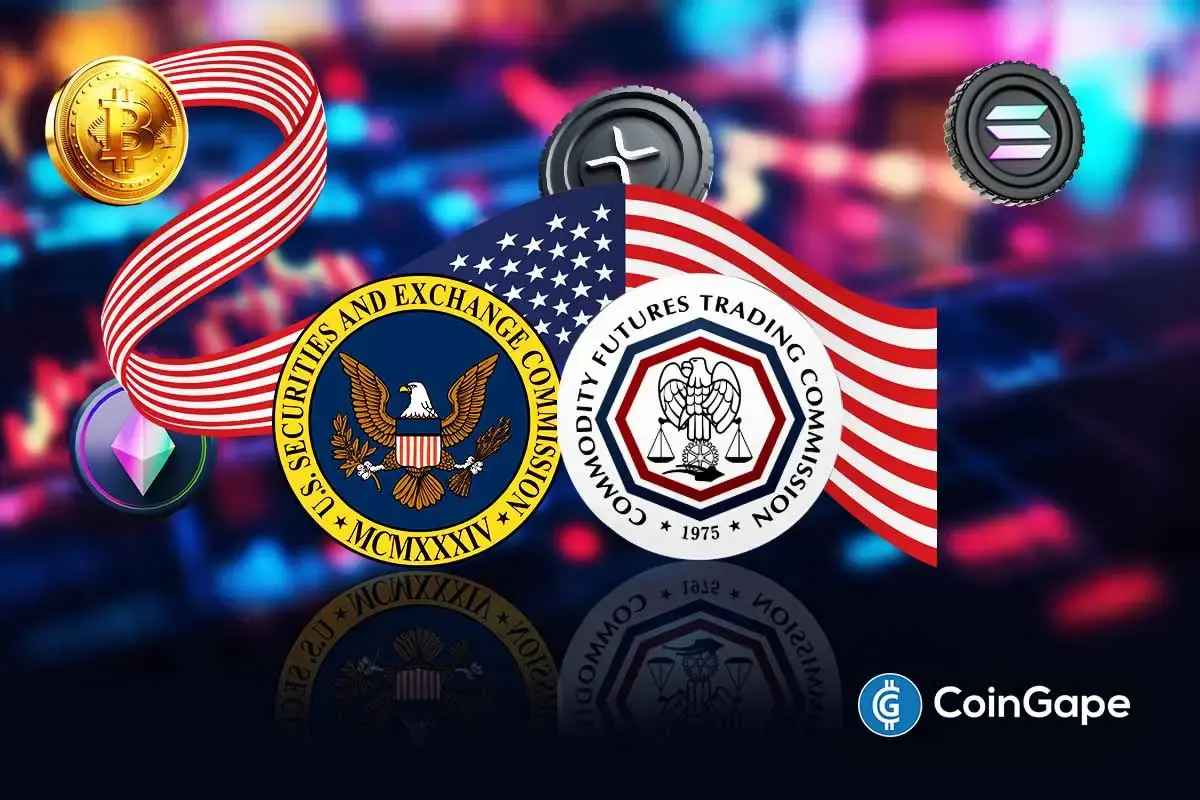
In an effort to streamline the rapidly evolving digital asset landscape, U.S. regulators are taking significant steps to establish a more coordinated approach to cryptocurrency regulation. The recent announcement of the Memorandum of Understanding (MoU) between the Securities and Exchange Commission (SEC) and the Commodity Futures Trading Commission (CFTC) signifies a pivotal shift towards harmonizing regulatory frameworks. This cooperation aims not only to solidify the regulatory environment for cryptocurrencies but also to fortify the United States’ competitive stance in the global marketplace for digital assets.
SEC-CFTC MoU: A Step Towards Unified Regulation
The Wall Street Journal recently reported on the impending formalization of cooperation between the SEC and CFTC through their MoU. This agreement is set to establish a comprehensive framework for the oversight of the cryptocurrency sector, which has been a point of contention between the two agencies. In a recent interview, SEC Chairman Paul Atkins expressed optimism about the advancement of cryptocurrency legislation this year, reinforcing the importance of legislative measures to complement existing regulatory authority. This MoU comes on the heels of a joint public event held by the regulators to address key issues in cryptocurrency regulation, including jurisdictional concerns that have historically led to disputes.
Defining Jurisdiction and Regulatory Focus
As the two regulatory bodies prepare to discuss the specifics of the SEC CFTC MoU, a central topic will be the definition of jurisdiction within the cryptocurrency market. CFTC Chair Mike Selig has emphasized the critical need for clear boundaries to delineate the respective authorities of each agency. The goal is to create a regulatory environment where market participants can operate with the certainty of a lasting structure. Chairman Atkins indicated that the SEC may concentrate its efforts on establishing regulatory frameworks for tokenized securities, while the CFTC will focus on digital assets classified as commodities. This collaborative approach is designed to prevent any gaps in oversight and ensure a stable market landscape.
Engaging Congress: The Path Forward
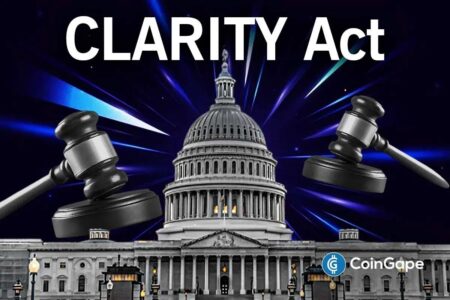
Both the SEC and CFTC have indicated that they are actively consulting with Congress regarding the proposed CLARITY Act—a legislative effort aimed at clarifying the regulatory framework for digital assets. Their statements suggest a commitment to aligning upcoming regulatory rules with any enacted legislation. The intention is to mitigate potential conflicts between regulatory actions and statutory laws, fostering a more predictable environment for both innovators and investors. As part of this dialogue, the Senate Agriculture Committee has made progress on its segment of the cryptocurrency bill, albeit without bipartisan support, highlighting the challenges lawmakers face in reaching consensus on this complex issue.
Addressing Industry Concerns and Proposed Regulations
While both regulatory bodies push forward with their plans, industry stakeholders are keenly observing the developments, especially concerning provisions within the proposed bills. A notable area of concern has emerged around a provision that would prohibit third-party crypto service providers from distributing yields to their customers. The White House’s scheduled meeting with banking and crypto executives next week aims to address this contentious issue. Companies like Coinbase have withdrawn their support for the bill partly due to this ban, further complicating the legislative landscape as regulators seek to balance consumer protection with industry growth.
The Vision for the Future of U.S. Crypto Regulation
Both the SEC and CFTC share a vision of positioning the U.S. as a leader in the global cryptocurrency market. Through structured cooperation and ongoing dialogue with Congress, the regulators hope to craft a regulatory framework that not only fosters innovation but also safeguards investors and the integrity of financial markets. As this initiative unfolds, both agencies reaffirm the importance of a structured regulatory environment that can adapt to the fast-paced changes inherent in the digital asset space.
Conclusion: A Roadmap for Growth and Innovation
In summary, the collaborative efforts between the SEC and CFTC represent a significant leap towards coherent and effective digital asset regulation. The establishment of the SEC CFTC MoU lays the groundwork for resolving jurisdictional disputes and clarifying regulatory responsibilities. As the U.S. prepares for more substantial legislation in the cryptocurrency sector, the coordinated approach among regulators, lawmakers, and industry players is vital for fostering an environment that promotes growth, innovation, and investor protection in the digital landscape. The upcoming months will be crucial as the regulatory framework evolves and the United States aims to solidify its standing in the global cryptocurrency arena.