


SEC and CFTC Launch New Token Taxonomy for Crypto Assets
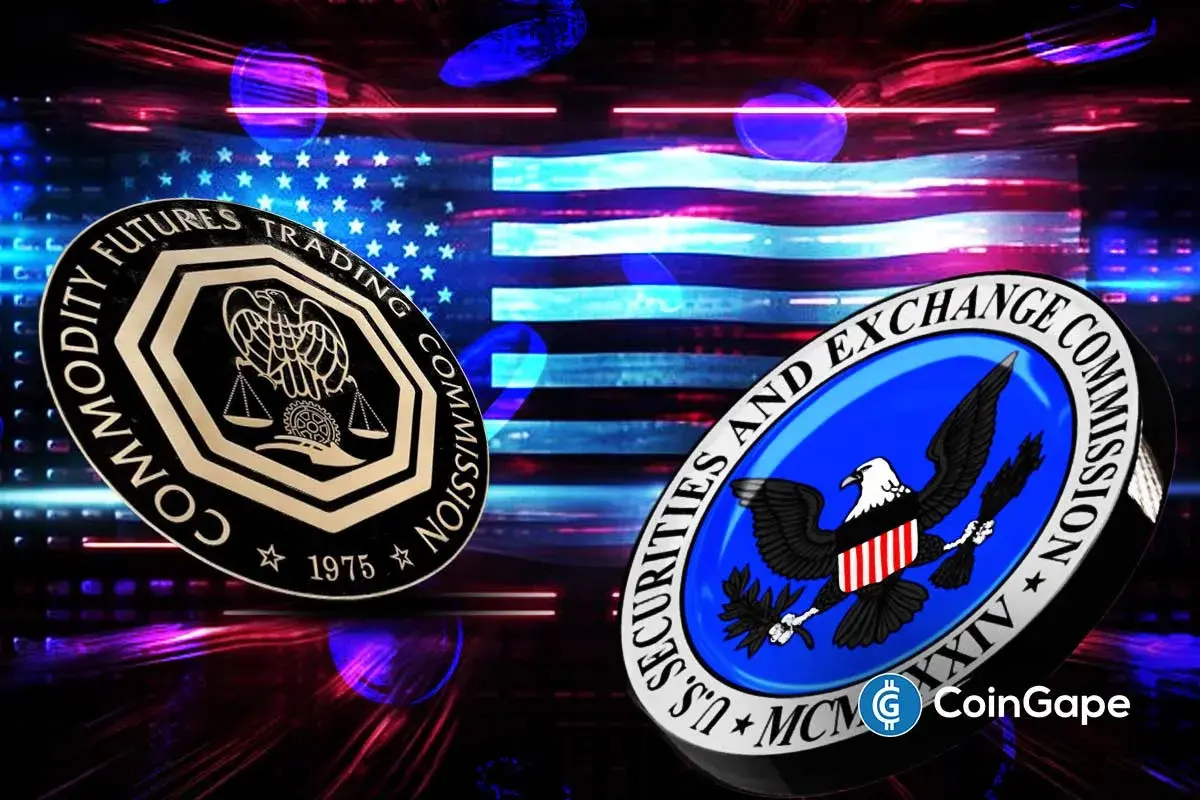
In a significant move aimed at clarifying the regulatory landscape for digital assets, the U.S. Securities and Exchange Commission (SEC) and the Commodity Futures Trading Commission (CFTC) have introduced a comprehensive token taxonomy. This detailed guidance categorizes crypto assets into five distinct classifications: digital commodities, digital collectibles, digital tools, stablecoins, and digital securities. The release emphasizes that most crypto assets do not fall under the definition of securities, while also outlining the conditions under which they might be categorized as such.
Understanding the New Token Taxonomy
The recent 68-page guidance released by the SEC in collaboration with the CFTC represents a major step toward better regulatory clarity in the fast-evolving landscape of cryptocurrencies. By categorizing crypto assets into specific groups, the SEC aims to reduce ambiguity and provide a structured approach to compliance with federal securities laws. The categories themselves highlight the diverse nature of crypto assets and underscore the significant distinctions between them.
Categories Defined: Digital Commodities, Collectibles, and Tools
The SEC has identified three primary categories of crypto assets that are explicitly not classified as securities: digital commodities, digital collectibles, and digital tools. Digital commodities, according to the SEC, are assets intrinsically tied to the operations of a crypto system and are subject to supply and demand dynamics. Examples include major cryptocurrencies such as Bitcoin, Ethereum, XRP, and Dogecoin.
Digital collectibles represent a novel category, encompassing assets that might convey rights related to art, music, and various forms of media including NFTs and meme coins like WIF. Lastly, digital tools are defined as practical assets that fulfill specific functions, such as tickets or credentials, emphasizing their utility beyond mere investment potential.
Stablecoins and Their Regulatory Implications
The SEC’s guidance extends to stablecoins, particularly those compliant with the GENIUS Act, which are outlined as payment stablecoins exempt from being classified as securities. However, the SEC also warned that other types of stablecoins could still meet the security definition based on specific situational factors. This nuanced approach to regulation acknowledges the unique operational framework of stablecoins while highlighting the necessity for careful assessment under prevailing laws.
The Nature of Digital Securities
Digital securities, as specified in the taxonomy, comprise financial instruments typically classified as securities but represented through crypto assets. This is particularly relevant for real-world assets (RWAs), such as tokenized stocks. The SEC highlighted that securities maintain their classification regardless of whether they exist off-chain or on-chain, affirming the continuity of regulatory expectations.
Relevance of the Howey Test
Central to the SEC’s classification process is the Howey Test, which evaluates whether a crypto asset qualifies as a security. This test focuses on the investment contract framework, assessing whether an asset involves a "contract, transaction, or scheme" where individuals invest with an expectation of profit tied to the efforts of others. This established legal standard provides a cornerstone for the ongoing interpretation and application of securities laws to the burgeoning realm of digital assets.
Conclusion: A Step Toward Regulatory Clarity
The SEC’s token taxonomy marks a pivotal moment in the governance of cryptocurrencies, marrying clear categorization with a practical understanding of the evolving digital economy. As the SEC and CFTC work toward harmonizing their regulatory strategies, this guidance not only aims to bolster the U.S. position as a global crypto leader but also strives to foster innovation while safeguarding investors. As the cryptocurrency landscape continues to develop, the significance of these classifications will undoubtedly shape the future of digital assets and their regulatory oversight. Employing this framework, stakeholders will be better positioned to navigate compliance, investment opportunities, and the broader implications of digital commodities and securities.