




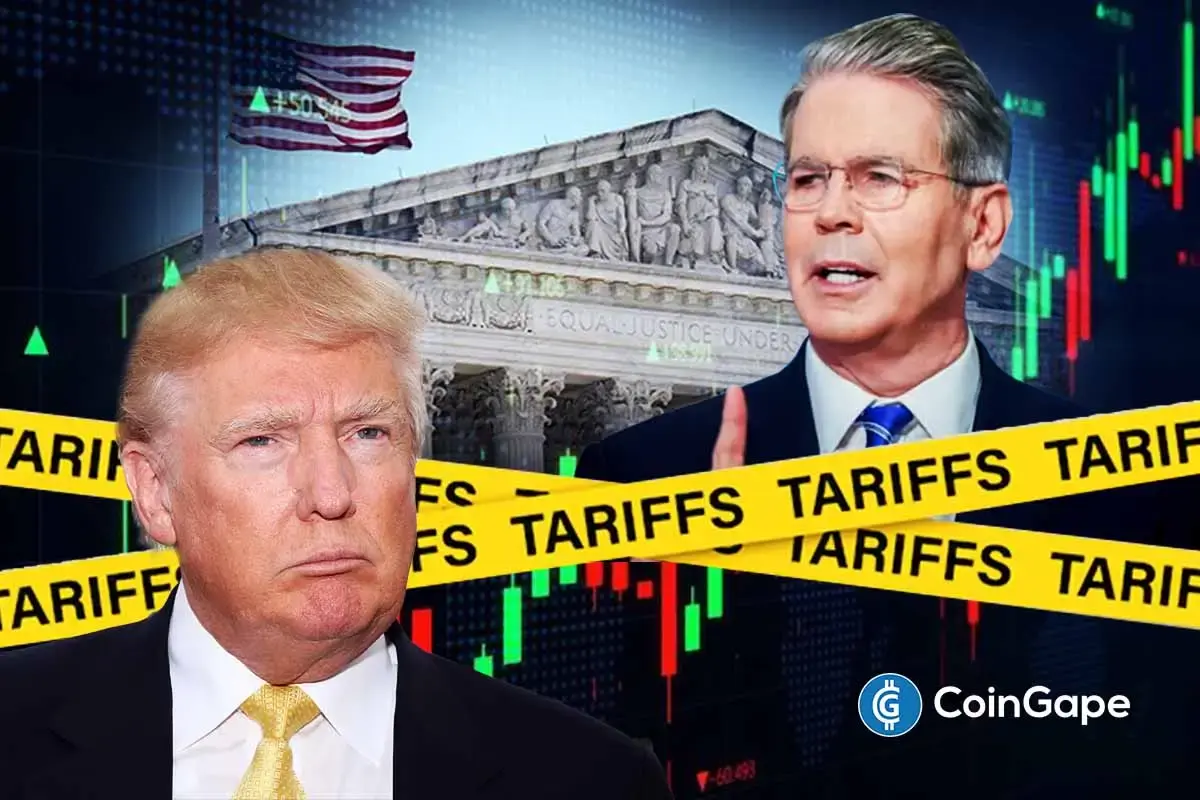
Understanding the Current Landscape of Trump Tariffs: Scott Bessent’s Confidence Amidst Supreme Court Review
U.S. Treasury Secretary Scott Bessent has voiced his optimism regarding the impending Supreme Court decision on Trump-era tariffs. His confidence stems from the belief that ruling against these tariffs could adversely impact the U.S. economy, which has been thriving due to significant overseas investments. The Secretary emphasized that the President’s application of the International Emergency Economic Powers Act (IEEPA) has been pivotal in attracting trillions of dollars, thereby supporting economic growth. As discussions intensify about the Supreme Court’s timeline for a decision, Bessent remains steadfast in his belief that the existing tariffs will be upheld, underlining their critical role in economic development.
In a recent FOX News interview, Bessent made a compelling case for maintaining the tariffs, framing them as essential to the government’s strategy for economic recovery and growth. He remarked that the prospect of the Supreme Court invalidating this key economic policy would not only disrupt the momentum built over recent years but could potentially reverse the significant investments facilitated through the IEEPA. The consensus among many experts is that the Supreme Court’s review might be a mere procedural formality, further reinforcing Bessent’s position that economic stability is at stake.
As anticipation for the Court’s ruling builds, a notable point of discussion is the scheduled opinion date for pending cases, although specific cases have yet to be announced. This lack of clarity has spurred speculation that a critical decision regarding the Trump tariffs may be imminent. The stakes are high for both the economy and the President, with Bessent advising that overturning the tariffs would disrupt a prosperous economic landscape that has benefited from increased revenue and investment inflow. The Secretary reiterated the essential nature of these tariffs as a cornerstone of Trump’s economic strategy.
Bessent’s confidence is accompanied by the assurance that the U.S. Treasury Department is well-prepared for potential financial repercussions should the Court rule against the tariffs. However, he acknowledged that refunding unnecessary tariffs would be a complex issue, presenting potential logistical challenges. His insights into the Treasury’s readiness indicate a proactive approach to potential adverse outcomes, which aims to minimize disruption to the economy if the Court’s ruling diverges from current policy.
Meanwhile, in anticipation of a negative ruling, the Trump administration is formulating a backup plan. According to reports, White House officials are considering implementing a 10% tariff to cushion against the impact of any judicial decision that might overturn existing tariffs. Kevin Hassett, a potential candidate for the Federal Reserve Chair, highlighted this plan during a Fox Business Network appearance, explaining that these tariffs could be enacted under Section 122 of the Trade Act of 1974. This legal framework allows for temporary tariffs aimed at addressing trade imbalances, offering a temporary solution in the event of an unfavorable court ruling.
President Trump himself has expressed concerns about the potential ruling, emphasizing that a negative decision could pose a significant threat to the American economy. He has warned that the financial ramifications could be severe, coining the phrase that if the court rules against the administration’s tariffs, the economy could "go to hell." This apprehension reflects the overarching sentiment within the administration regarding the critical role tariffs play in sustaining economic stability and growth. As the date of the Supreme Court’s decision nears, all eyes will be on how this pivotal ruling will shape the future of U.S. trade policy and economic health.
In summary, as U.S. Treasury Secretary Scott Bessent remains optimistic about the Supreme Court’s impending decision on Trump tariffs, the landscape is marked by both anticipation and uncertainty. The tariffs, framed as essential to the current economic strategy, are seen by the administration as crucial for facilitating overseas investment and sustaining economic momentum. With contingency plans in place and a proactive approach to potential challenges, the Trump administration is preparing for a ruling that could shape the course of U.S. economic policy for years to come.