



CFTC Expands Eligible Collateral, Boosting Ripple’s RLUSD Stablecoin
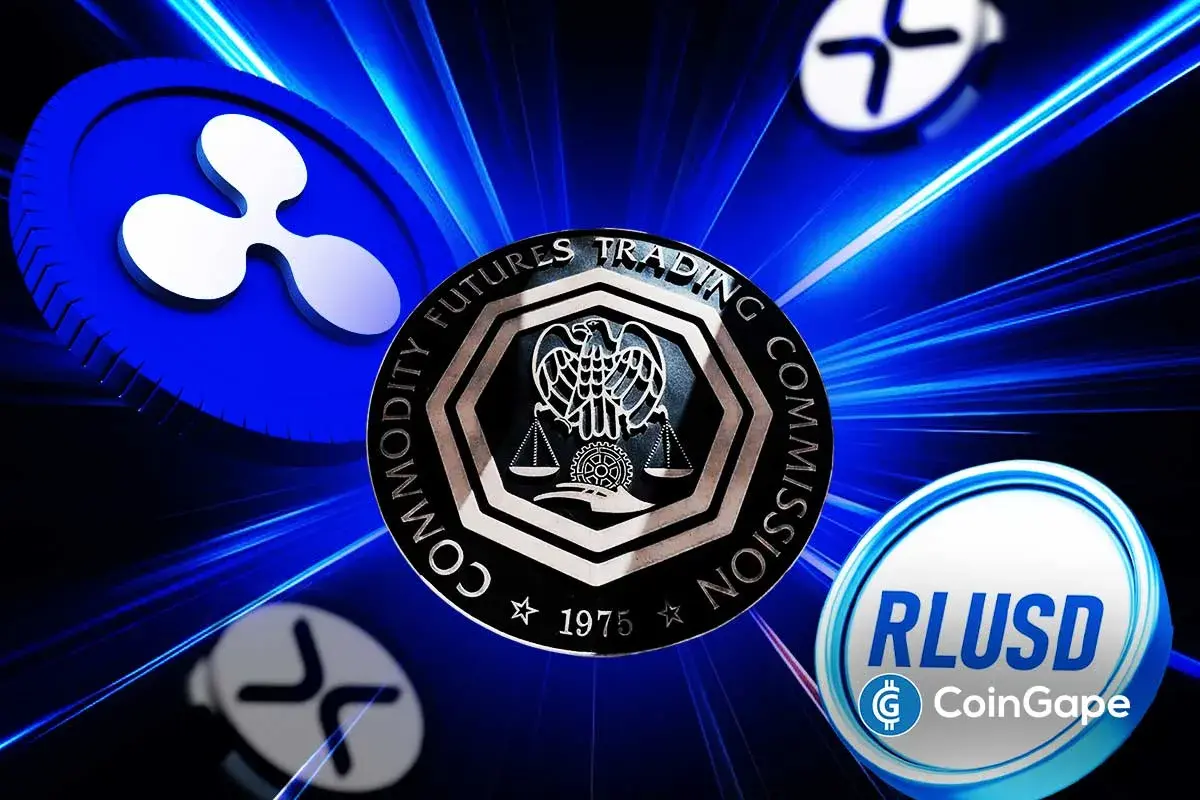
The U.S. Commodity Futures Trading Commission (CFTC) has made significant strides in the realm of cryptocurrency by expanding its list of eligible tokenized collateral for regulated futures markets. This development is particularly advantageous for Ripple’s RLUSD stablecoin, which now aligns with the CFTC’s concepts of a payment stablecoin. This change presents exciting opportunities for Ripple as they navigate regulations in the cryptocurrency space, especially considering that the RLUSD stablecoin qualifies as collateral for use in derivatives markets.
A New Era for Stablecoins
On X, CFTC Chair Mike Selig announced the agency’s decision to incorporate stablecoins issued by national trust banks into their list of eligible collateral. The new guidelines came in conjunction with the GENIUS Act, solidifying the United States’ position as a leader in stablecoin innovation. This is especially crucial for Ripple, which is working towards becoming a national trust bank. The Office of the Comptroller of the Currency (OCC) has already granted Ripple conditional approval, further enhancing the prospects for RLUSD in meeting regulatory criteria.
Endorsement from Regulatory Authorities
In December 2025, the CFTC defined payment stablecoins as dollar-backed stablecoins issued by state-regulated money transmitters or trust companies. This definition opened the door for further expansions with the upcoming enactment of the GENIUS Act. With ongoing regulatory support, Ripple’s RLUSD has effectively positioned itself to fall under both established definitions, bolstered by its emerging national trust bank status and oversight.
Clarity in Guidance from the CFTC
The CFTC recently clarified that it previously did not intend to exclude national trust banks as possible issuers of payment stablecoins. After reviewing their guidelines, the commission decided to reissue CFTC Letter 25-40, thereby expanding the definition of what qualifies as a payment stablecoin. This clarification presents a unique opportunity for RLUSD as it aligns perfectly with the criteria established by the CFTC.
Market Dominance of RLUSD on XRP Ledger
According to on-chain analytics platform Messari, RLUSD has emerged as a key player on the XRP Ledger, demonstrating strong market dominance. A recent research report showed that Ripple’s stablecoin accounted for 58.6% of the total market capitalization of tokens on the XRPL by the end of the fourth quarter of last year. This marks a significant increase from 27.9% in the previous quarter. The stablecoin also noted a remarkable quarter-over-quarter market cap growth of 187%, with a market cap of $235 million at the close of 2025—currently standing at $246 million.
Ripple’s Growing Presence in the Ecosystem
In addition to its regulatory successes, RLUSD’s market cap across platforms, including Ethereum, has soared to almost $1.5 billion, positioning it as the 44th largest cryptocurrency by market capitalization. This growth can be attributed to recent developments, including its listing on top foreign exchanges like Binance, which has significantly contributed to RLUSD’s adoption.
Regulatory Milestones and Future Outlook
Moreover, Ripple has secured an electronic money institution license in the European Union, enabling it to operate regulated digital payment services across this prominent market. This milestone isn’t just a win for Ripple but also for the broader adoption of RLUSD, as it demonstrates regulatory support and credibility. As the cryptocurrency landscape continues to evolve, Ripple’s proactive approach in aligning with regulatory frameworks and expanding its market presence positions RLUSD for even greater adoption and success in the future.
In conclusion, the CFTC’s expansion of eligible tokenized collateral has invigorated Ripple’s RLUSD stablecoin, marking a new chapter for both the stablecoin and the broader cryptocurrency market. With regulatory approval, strategic collaborations, and robust market performance, RLUSD is set to play a significant role in the future of digital assets.