




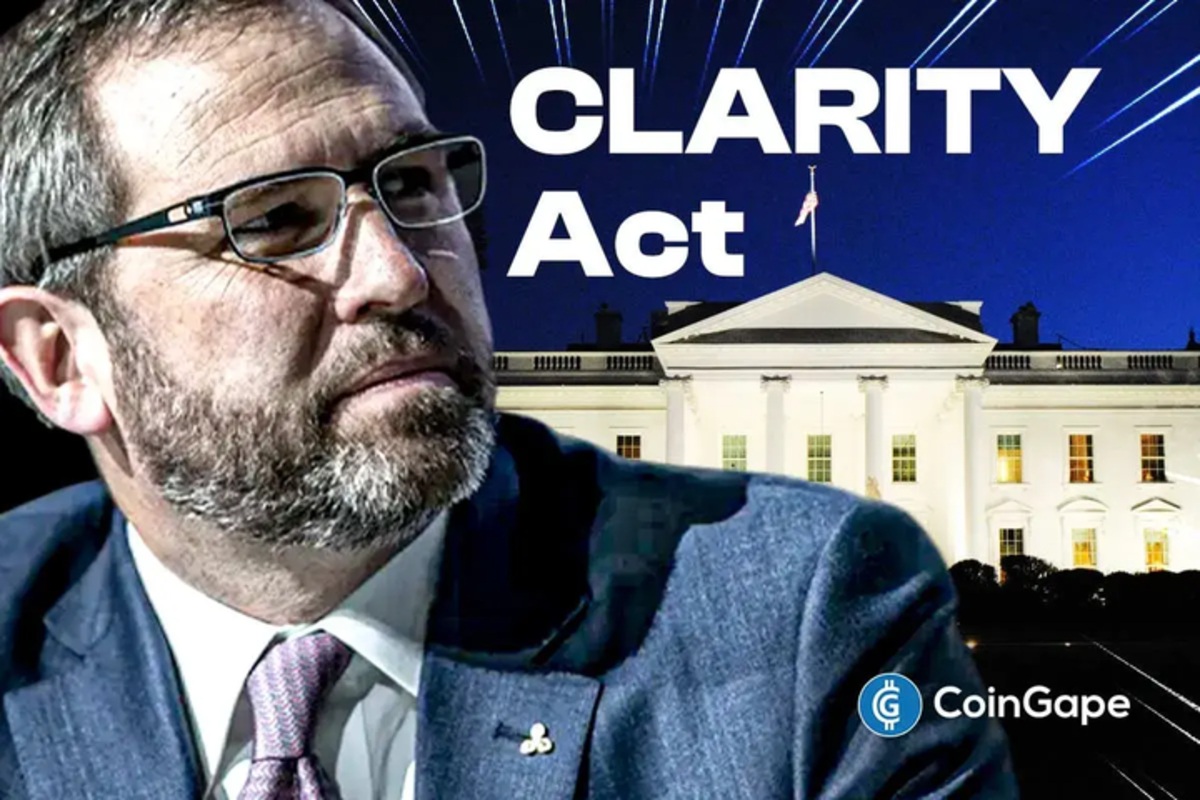
The CLARITY Act: A Step Forward for Cryptocurrency Regulation
Ripple’s CEO Brad Garlinghouse has publicly expressed his support for the CLARITY Act amid ongoing discussions about cryptocurrency regulation. Despite some provisions in the proposed crypto bill raising concerns, Garlinghouse insists that it is essential for the industry to move towards greater clarity and a pragmatic regulatory framework that fosters innovation. He believes that the bill can serve as a catalyst for meaningful growth within the digital asset space, addressing the urgent need for established guidelines to mitigate confusion.
The call for clarity comes at a crucial time, as the Biden administration intensifies its efforts to advance a comprehensive framework for crypto regulations. Patrick Witt, executive director of the President’s Council of Advisors on Digital Assets, indicated that this is an opportune moment for the CLARITY Act to gain traction, given the current pro-crypto administration. He emphasizes that compromise is essential to achieve legislative progress. In this evolving landscape, Garlinghouse’s optimistic outlook on the broader cryptocurrency market further complements his support for regulation, as he confidently predicts that markets may reach all-time highs this year.
In a contrasting view, analyst unknowDLT questions the tangible impact the CLARITY Act may have on XRP, suggesting that the bill might not significantly influence the token’s market dynamics. This perspective adds layers to the ongoing debate about the effects of market structure legislation on various cryptocurrencies. As the industry grapples with the implications of regulatory measures, it becomes evident that not all tokens will be equally affected by the proposed regulations.
Banking On Change: David Sacks’ Insights
In a related discussion, David Sacks, a key figure in crypto policy at the White House, shared his insights on the evolving intersection between banking and cryptocurrency. During a recent CNBC interview, he predicted that once clear market structure regulations are in place, traditional financial institutions will fully embrace the crypto space. Sacks envisions a future where banking and crypto coalesce into a single industry centered around digital assets.
For Sacks, the overarching principle is straightforward: regulations should uniformly apply to all entities dealing with similar products. He argued that banks will eventually adapt to the changing landscape, even acknowledging the growing potential of stablecoins within their operations. However, Sacks also stated that a successful compromise is necessary for the market structure bill to receive presidential approval, echoing the historical challenges faced by other regulatory measures like the stablecoin bill, which took multiple attempts to pass.
The Future of Yield and Stablecoins
Sacks didn’t shy away from discussing yield and its implications in the crypto space. He highlighted that while the recently passed GENIUS Act allows for stablecoin rewards, it places restrictions on stablecoin issuers, leaving room for third-party providers to explore yield opportunities. Sacks pointed out that if the current market structure bill fails to pass, banks and crypto entities may face challenges, especially regarding yield and other profit-generating strategies.
He argues that focusing solely on individual policy items can detract from the larger goal of establishing a clear market structure. By emphasizing that clarity in regulations is paramount, Sacks encourages stakeholders within the crypto community to look beyond specific provisions and consider the broader context of the regulatory landscape.
The Road Ahead: CLARITY and Innovation
The discussions surrounding the CLARITY Act and the potential financial integration of banks into the crypto market indicate a pivotal moment for the industry. With influential figures like Garlinghouse and Sacks weighing in, it becomes evident that legislative clarity is seen as a necessity for enabling innovation and adoption within the cryptocurrency realm. Garlinghouse’s commitment to pushing for progress rather than perfection reflects a growing sentiment that the current regulatory environment is stifling advancements that could benefit the industry.
In a time where the crypto landscape continues to evolve, the collaboration between policymakers, financial institutions, and industry leaders will play a crucial role in shaping the future of digital assets. As new regulations take form, stakeholders must remain vigilant and engaged to ensure that the resulting framework not only protects consumers but also fuels economic growth and innovation.
Conclusion: Embracing Regulatory Change
The ongoing dialogue surrounding the CLARITY Act underscores a significant shift in the regulatory landscape for cryptocurrency. With the backing of influential industry leaders like Brad Garlinghouse and the strategic insights from figures like David Sacks, the path towards a coherent regulatory framework appears more concrete than ever. Given the current administration’s willingness to engage with the crypto community, there is optimism that meaningful legislation could be enacted, paving the way for clearer guidelines in the digital asset market.
Ultimately, the success of these regulatory efforts will depend on collaboration among various stakeholders to ensure that the framework developed is both effective and flexible. The importance of establishing a clear and supportive environment for innovation cannot be overstated, as it will serve as a foundation for the future growth and integration of cryptocurrencies into mainstream finance. As the industry awaits the passage of the CLARITY Act, one thing remains clear: the momentum for regulatory clarity in the cryptocurrency space continues to build.