


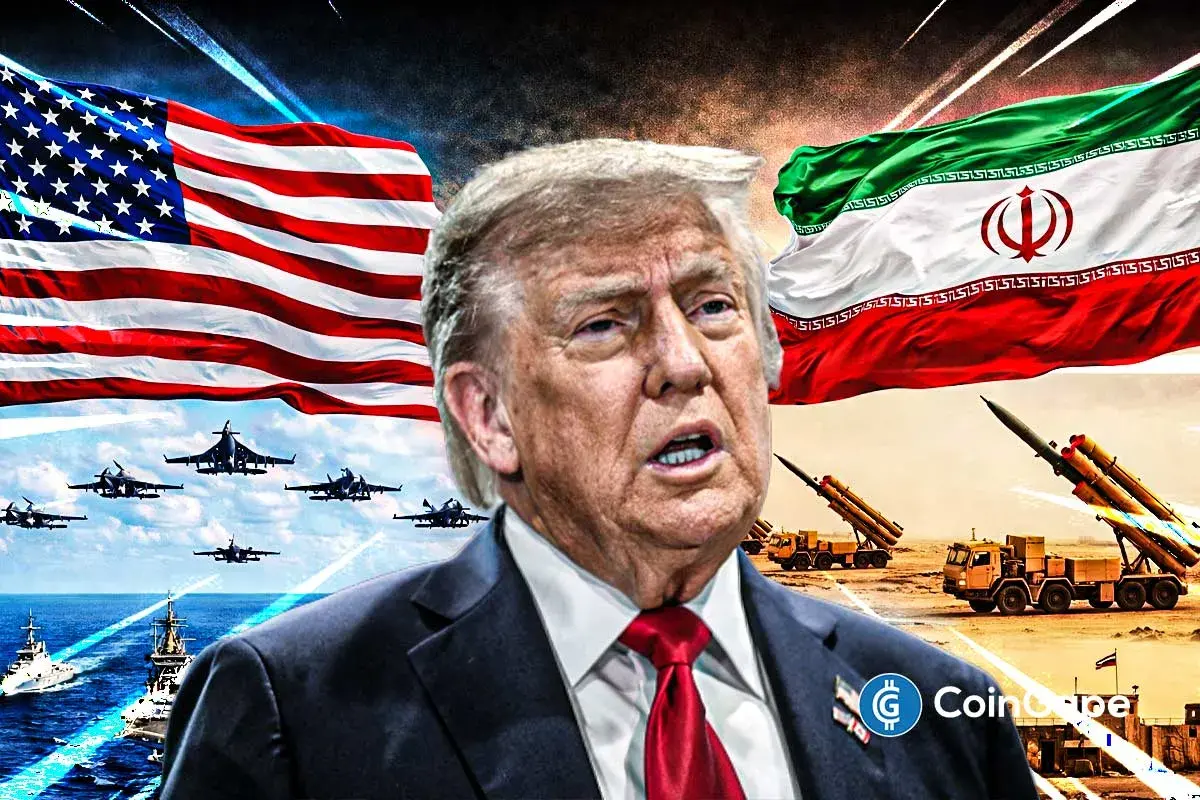

U.S.-Iran Conflict: Trump Warns of Potential Military Action
In a recent press briefing, U.S. President Donald Trump emphasized the increasing tensions in the ongoing conflict between the United States and Iran. He stated that the U.S. could "take out" Iran in a single night, a stark warning amidst stalled negotiations and escalating hostilities. These comments coincided with a critical deadline tied to the uninterrupted shipping routes through the Strait of Hormuz, essential for global oil transportation. With rising military operations and the looming threat of military action, the situation remains precarious for both nations.
The Stark Ultimatum: Deadline on Iran
During the briefing, Trump issued a firm ultimatum to Iran, demanding the reopening of the Strait of Hormuz by 8 p.m. ET, and underscored the urgent need for an acceptable deal. He expressed dissatisfaction with a recent proposal from Tehran, indicating that the terms were not satisfactory to the U.S. administration. Trump’s rhetoric highlighted the potential for immediate military action should Iran fail to comply, emphasizing that key U.S. interests depend on ensuring the free flow of oil through this vital shipping channel.
Trump went so far as to declare that the entire country of Iran could face severe military consequences if negotiations continue to stall. He painted a picture of U.S. capabilities, suggesting that military operations could destroy critical infrastructure within hours. This hardline stance underscores the gravity of the situation, revealing Trump’s willingness to resort to force to achieve U.S. objectives in the region.
Escalating Military Operations
In the wake of Trump’s remarks, U.S. Defense Secretary Pete Hegseth confirmed that military operations have significantly increased. Monday marked one of the busiest days since the beginning of the U.S.-Iran conflict, with expectations that upcoming operations would see even more robust military activity. CoinGape reported on the continuation of "Operation Epic Fury," indicating that a ceasefire had not yet been approved by Trump.
Hegseth mentioned that Iran is now faced with stark choices due to intensified U.S. actions, claiming that Iran’s military capabilities had been significantly weakened. He asserted that the U.S. military had effectively disrupted Iran’s navy, air force, and a considerable number of vessels. However, concerns about Iran’s remaining capabilities persist, particularly regarding potential mine threats in the Strait—a single mine could derail major shipping operations.
Rescue Missions and Security Threats
Amidst the intensifying conflict, Trump also detailed a recent rescue operation involving 21 U.S. aircraft, which successfully retrieved stranded airmen. He referred to this as a historic moment while warning about a media leak that complicated the situation for a second pilot. The leak raised questions about national security, leading Trump to consider legal action against the media outlet involved if they do not disclose their sources.
This incident underscores the challenges of maintaining operational security during high-stakes military engagements. The complexities of the current military actions reveal how critical a strong communication strategy is, especially when dealing with sensitive national security issues.
Market Reactions to the U.S.-Iran Situation
The current climate foreshadows a prolonged conflict with minimal expectations for a ceasefire in the short term. Predictions from market data indicate that the likelihood of a U.S.-Iran deal remains low, with a mere 3% chance of resolution by April 7. Projections improve only modestly over the next few weeks, showing a 15% chance by April 15 and a 28% probability by April 30.
As the market calculates probabilities through to the end of the year, there remains a growing sense of uncertainty. By June 30, the odds for potential peace increase to 56%, while the end of the year presents a 76% likelihood of a ceasefire. These market sentiments reflect the pervasive anxiety regarding the potential for escalation versus the hope for diplomatic resolution.
Conclusion: Navigating a Complex Landscape
The U.S.-Iran conflict is evolving rapidly, driven by notable threats and military escalations. President Trump’s warnings and military readiness illustrate America’s steadfast approach to national security, emphasizing the critical importance of diplomatic discussions. However, the escalating situation poses risks not only for U.S.-Iran relations but also for global energy markets.
As military preparations ramp up and ceasefire probabilities remain low, the international community watches closely. The stakes are high, as both sides face significant consequences should diplomatic avenues remain unpursued. Finding a path to peace amid escalating tensions will require careful navigation to mitigate risks and foster stability in this volatile region.