



U.S. Lawmakers Move to Regulate Prediction Markets Amid Insider Trading Concerns
Recent developments in the U.S. political landscape have brought the spotlight onto prediction markets, leading lawmakers to propose new regulations aimed at preventing insider trading. Following a series of high-profit trades that coincided with significant foreign policy actions, the conversation surrounding the ethical boundaries of trading in these markets has intensified. Notably, Representative Ritchie Torres is preparing to introduce the Public Integrity in Financial Prediction Markets Act of 2026, a legislative effort that specifically targets transactions conducted by federal officials and senior government employees. This topic raises critical questions regarding the integrity and transparency within this emerging financial sector.
Legislative Focus on Prediction Markets
The Public Integrity in Financial Prediction Markets Act of 2026 seeks to create strict limitations on trading activities by elected officials, political appointees, and staff members within the executive branch. According to the proposal, these individuals would be prohibited from trading prediction contracts based on political or policy outcomes, particularly when they possess or could reasonably access nonpublic information through their official roles. This measure reflects a growing concern over the potential manipulation of prediction markets, especially as they gain popularity among investors and political enthusiasts alike.
Impact of Recent Foreign Policy Events
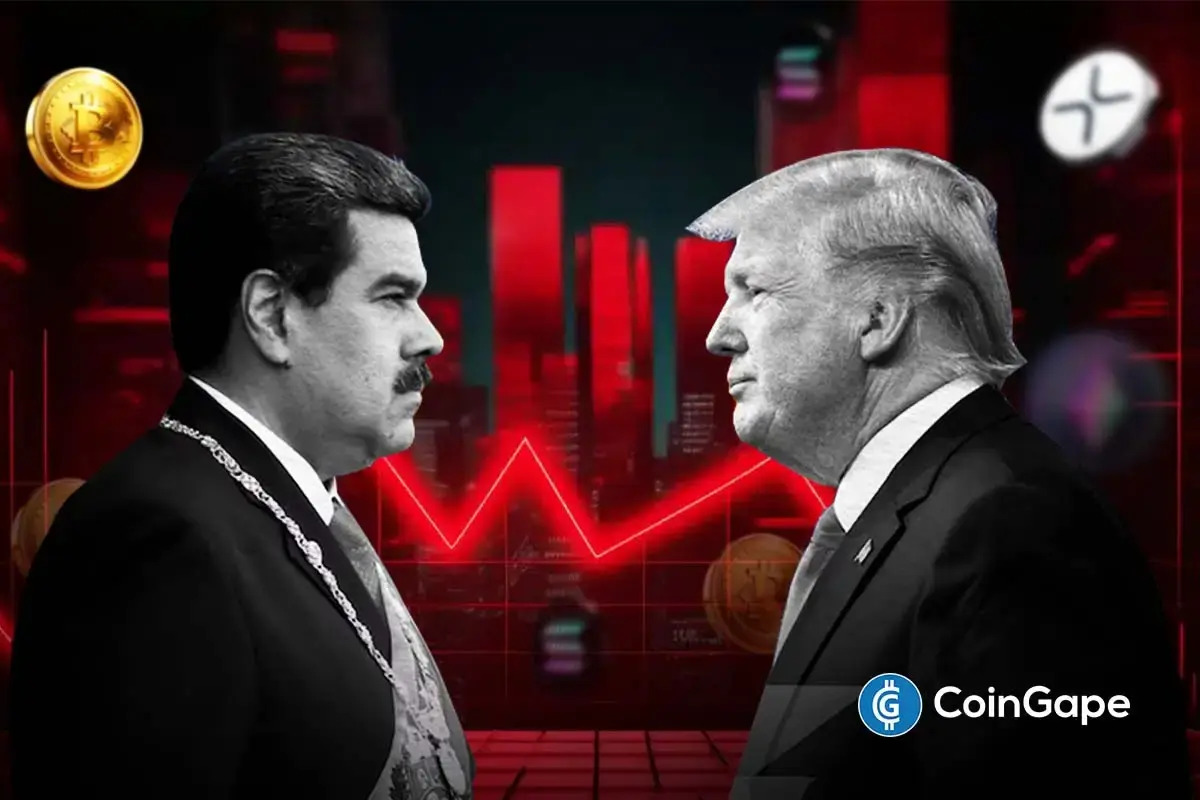
The urgency of this legislative action became clear following a shocking announcement regarding Venezuela. President Donald Trump confirmed that U.S. forces had captured Venezuelan President Nicolas Maduro in overnight military strikes in Caracas. In the lead-up to this event, trading activity on prediction markets garnered scrutiny, particularly a case involving a Polymarket account that was opened only days prior to the incident. This account made several bets concerning the U.S. response to Venezuela, raising alarm bells when it reported losses on contracts regarding Maduro’s potential ousting that would later translate into significant gains post-announcement.
Suspicious Trading Activity Discovered
Reports from various sources outlined concerning trading trends just hours before the announcement regarding Maduro’s capture. The Wall Street Journal highlighted that markets related to Maduro’s ouster began exhibiting unusual price movements a few hours prior to the news breaking. Such activity led to suspicions of potential insider trading, as significant bets were placed when the implied odds were still very low—an indication that certain traders may have had foreknowledge of the unfolding events.
Blockchain Analysis Reveals Patterns of Concern
The situation was further complicated by findings from the blockchain analytics firm Lookonchain, which identified three specific Polymarket wallets that made substantial bets close to the time of Maduro’s arrest. According to their analysis, these wallets were newly created and funded just days before the incident, indicating a premeditated effort to capitalize on insider information. The firm revealed that collectively, these wallets extracted over $630,000 in profits, with gains for individual accounts ranging from approximately $75,000 to over $400,000. This pointed pattern has drawn attention to the potential for insider trading in prediction markets and calls into question the current regulations governing them.
Proposals for Ethical Trading Standards
As these revelations come to light, the proposed legislation aimed at regulating behavior in prediction markets marks a significant step toward establishing ethical standards in this burgeoning industry. Historically, prediction markets have generated excitement as tools for gauging public sentiment and political outcomes, but the potential for abuse remains a critical concern. The Public Integrity in Financial Prediction Markets Act of 2026 represents one of Congress’s most comprehensive attempts to impose rules governing these platforms, aiming to maintain transparency and protect market integrity.
The Future of Prediction Markets and Regulatory Oversight
In conclusion, the rapid rise of prediction markets and their increasing influence on political discourse necessitates robust regulatory oversight. As lawmakers prepare to introduce measures focused on curtailing insider trading, the dialogue surrounding these platforms is expected to evolve. While prediction markets may serve as valuable informational resources for investors, the need for strict regulations cannot be overstated. By establishing clear boundaries and enforcing ethical trading practices, the proposed legislation aims to preserve the integrity of both prediction markets and the wider political landscape. As the debate continues, stakeholders, including traders, analysts, and policymakers, must navigate the complexities surrounding insider information in order to foster a fair and transparent trading environment.