



Jerome Powell Signals Potential Fed Rate Cuts: What You Need to Know
Introduction: Market Anticipation for Interest Rate Cuts
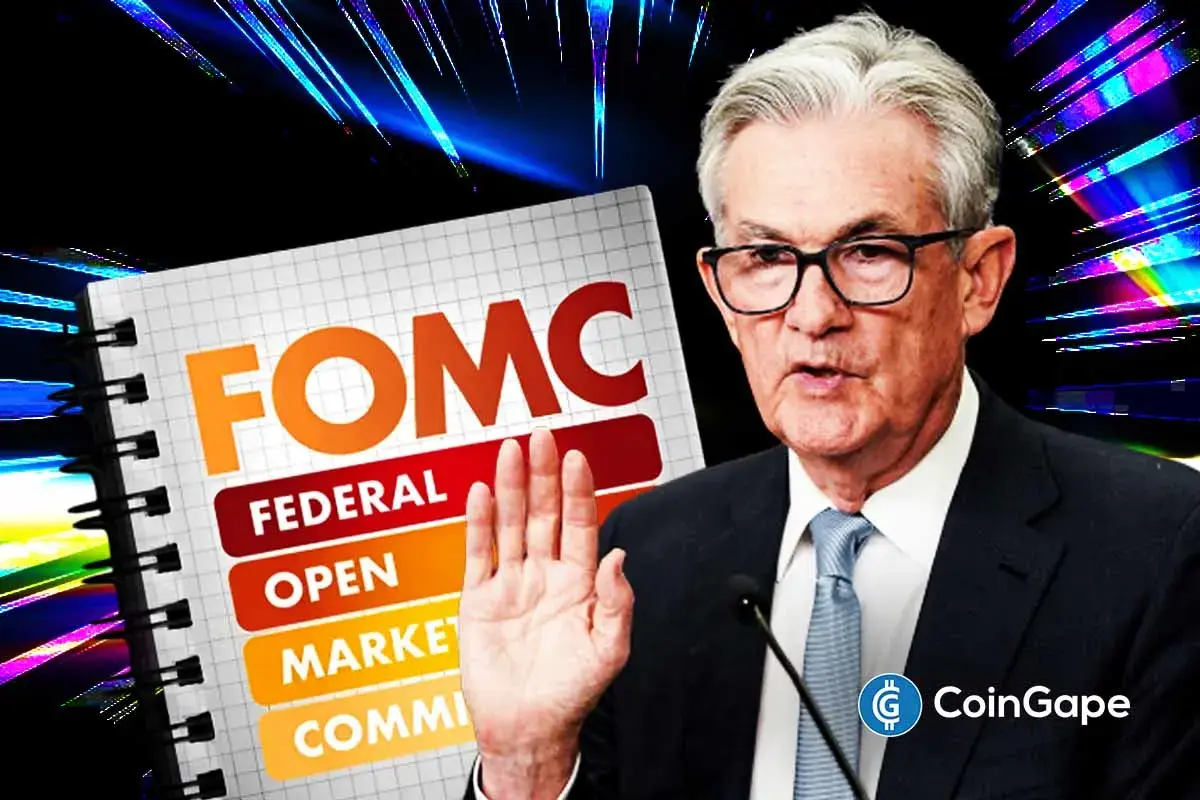
Jerome Powell, Chair of the Federal Reserve, has brought renewed attention to the possibility of a Federal Reserve rate cut later this year. In recent comments made during the European Central Bank’s forum on Central Banking, Powell highlighted that a significant majority of Federal Open Market Committee (FOMC) participants favor cutting interest rates. This discussion is particularly pertinent as many market observers anticipate changes during the upcoming July FOMC meeting. Given the current economic signals and fluctuating inflation rates, understanding the implications of these potential changes is vital for investors and the broader financial markets.
Economic Conditions and Rate Cut Insights
Powell’s views emphasize the Fed’s cautious approach amidst evolving economic conditions. While he acknowledged that the U.S. economy is in a favorable position to consider rate cuts, Powell expressed a preference for a "wait and see" attitude regarding the impact of recent Trump tariffs on the economic landscape. The Fed Chair also noted that while inflation has aligned with expectations, stronger inflation readings are anticipated over the summer months. This outlook plays a crucial role in assessing whether the time is right for a rate cut.
Data-Driven Decisions and Upcoming Reports
The decision to cut rates will depend heavily on incoming economic data, notably the Consumer Price Index (CPI) and Producer Price Index (PPI) reports set to be released mid-July. These reports will provide insight into inflationary trends, influencing the Fed’s approach in the short term. However, speculation already surrounds the possibility of a rate cut as early as the end of July, although traders currently believe a different course of action will be taken, with an 80.9% probability that rates will remain steady after the July 30 meeting.
Market Expectations and Predictions for September
Even with the hesitation surrounding a July rate cut, the market sentiment shifts dramatically towards a likely reduction in interest rates by September. According to current projections, the odds for a rate cut in September have surged to an impressive 94%. This increasing optimism among traders and market analysts indicates a growing consensus that an easing monetary policy may be on the horizon, driven largely by economic indicators and the Fed’s assessment of inflationary pressures.
Political Pressures and Federal Reserve Independence
Powell also addressed external pressures, notably from President Donald Trump, who has publicly voiced his desire for the Fed to lower interest rates to around 1%. Trump’s handwritten letter to Powell and his ongoing discussions about potential candidates to replace the Fed Chair highlight the political challenges that the Federal Reserve faces. However, in his response, Powell maintained his focus on fulfilling his responsibilities as Fed Chair, emphasizing the importance of a strong labor market and economic stability over political influences.
Looking Ahead: What This Means for the Economy
As we anticipate these potential rate cuts, the implications extend beyond just monetary policy. The strength of the U.S. economy, consumer behavior, and business investments could all be influenced by changes in interest rates. Powell’s responsibility, as he approaches the end of his term, remains centered on handing a stable economy to his successor, reflecting the critical nature of the Fed’s role in shaping economic policy. As the situation unfolds, investors must remain vigilant and informed about the developments surrounding interest rates and their broader economic impact.
Conclusion: Preparing for Future Economic Landscape
In conclusion, Jerome Powell’s recent comments about the possibility of a Fed rate cut have significant implications for the financial markets and the economy as a whole. While the timing of such cuts remains uncertain and will depend on forthcoming economic data, the prevailing sentiment indicates a strong possibility for action later this year. As traders and investors look toward the future, understanding the economic indicators, political influences, and the Fed’s decision-making process will be vital for navigating the shifting landscape of U.S. monetary policy.