

The Controversy Surrounding Nicolás Maduro’s Arrest and Insider Trading on Polymarket
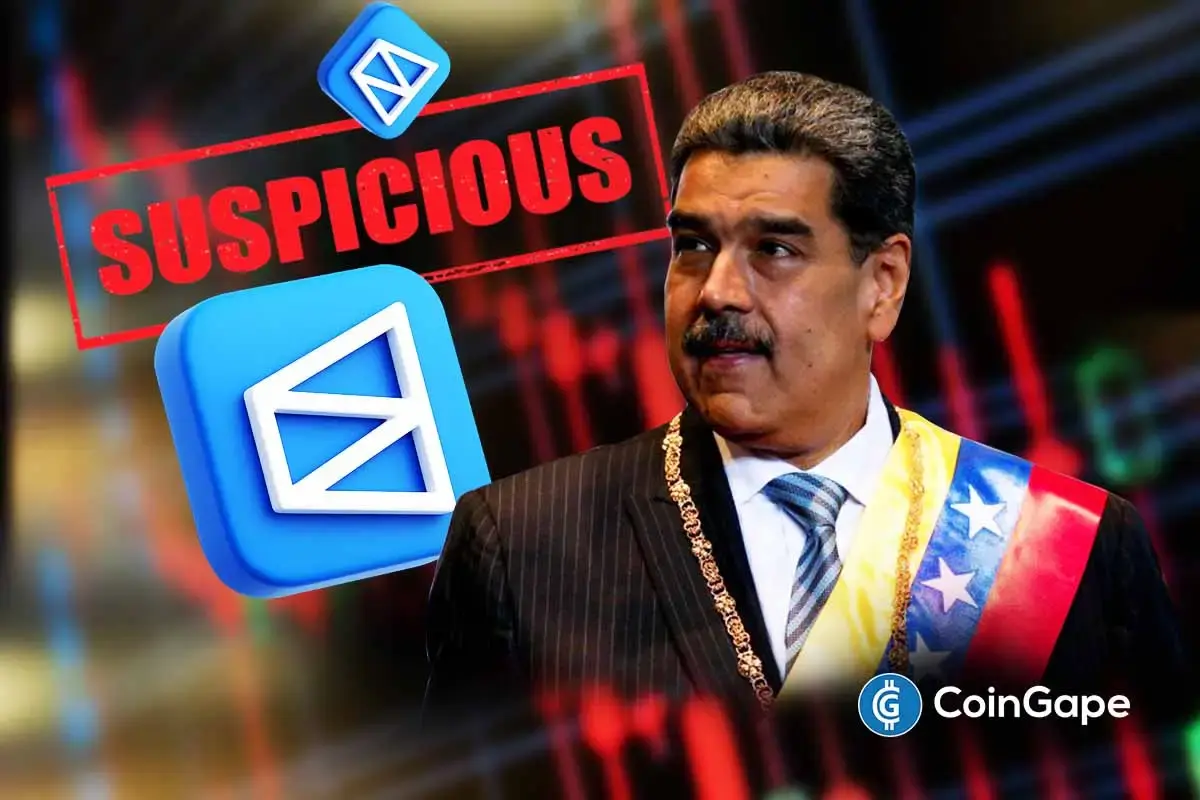
The recent arrest of Venezuelan President Nicolás Maduro has stirred significant controversy, particularly surrounding the prediction market platform, Polymarket. Just hours before his apprehension by US military forces, three newly created wallets on Polymarket reportedly made substantial bets on Maduro’s removal from power, together raking in over $630,000. This incident has fueled debates about the ethics of prediction markets, especially as more crypto platforms venture into this domain.
Insider Trading Allegations Emerge
As reported by the Wall Street Journal, Polymarket traders had been placing large bets on the possibility of Maduro’s ousting in the days leading up to his capture. Notably, the odds of him being displaced surged to approximately 6% right before 10 PM EST on a Friday—this rising trend caught the attention of speculators as it coincided with the timing of Maduro’s arrest. The three wallets, which only bet on events related to Maduro and Venezuela, generated concern among analysts who have dubbed their actions as potential insider trading. One wallet reportedly transformed a $34,000 investment into an astonishing $400,000 profit, raising questions about how these traders were able to predict such a significant event with 94% accuracy.
The Impact of Maduro’s Arrest
Maduro’s capture is not just a political milestone but also a significant event in the realm of cryptocurrency and prediction markets. Alongside Maduro, his wife, Cilia Flores, was also apprehended, both facing serious charges including narco-terrorism and weapons-related offenses. Additionally, Maduro’s son and senior officials are under similar allegations. CoinGape noted that, despite these developments, the crypto market has shown resilience, remaining stable throughout the chaos of the ongoing Venezuela strike.
Rising Concerns for Prediction Market Standards
The rapid rise in betting on Maduro’s ouster just prior to his arrest heightened scrutiny surrounding prediction markets. Between 1:15 AM and 1:50 AM, the likelihood of Maduro being ousted jumped from 6% to 12.5%, suggesting that some traders may have had access to privileged information. The surge in betting is prompting stakeholders to question the integrity of prediction markets and the standards applied to them. As new platforms are on the rise—like Coinbase’s collaboration with Kalshi and ventures from other crypto giants like Gemini and Crypto.com—these ethical concerns are becoming increasingly important.
The Role of Crypto Platforms
As crypto platforms continue to explore prediction markets, the incident involving Maduro highlights the need for regulatory scrutiny. The growing trend has attracted both enthusiasts and critics. Advocates argue that prediction markets foster an innovative way for users to express their beliefs about future events, while critics warn of potential manipulative practices. The ethical landscape of these markets is becoming complex, with incidents like those surrounding Maduro showcasing the fine line between legitimate speculation and nefarious insider trading.
The Future of Prediction Markets in Cryptocurrency
As the controversy surrounding these events unfolds, it is crucial to consider the future of prediction markets in the crypto space. With major exchanges entering the fray, there’s a pressing need for clearer regulatory frameworks to ensure that market integrity is preserved. The Maduro incident serves as a cautionary tale, calling for heightened scrutiny and more robust measures to prevent insider trading and maintain ethical standards in prediction markets.
In summary, Nicolás Maduro’s arrest has exposed vulnerabilities in prediction markets like Polymarket, raising important questions about ethics and integrity in a rapidly evolving crypto landscape. The implications of these events extend beyond Venezuela, challenging the standards and practices of prediction markets worldwide. As more crypto platforms dive into this trend, both users and regulators will be closely monitoring developments to safeguard the integrity of prediction markets in the future.