


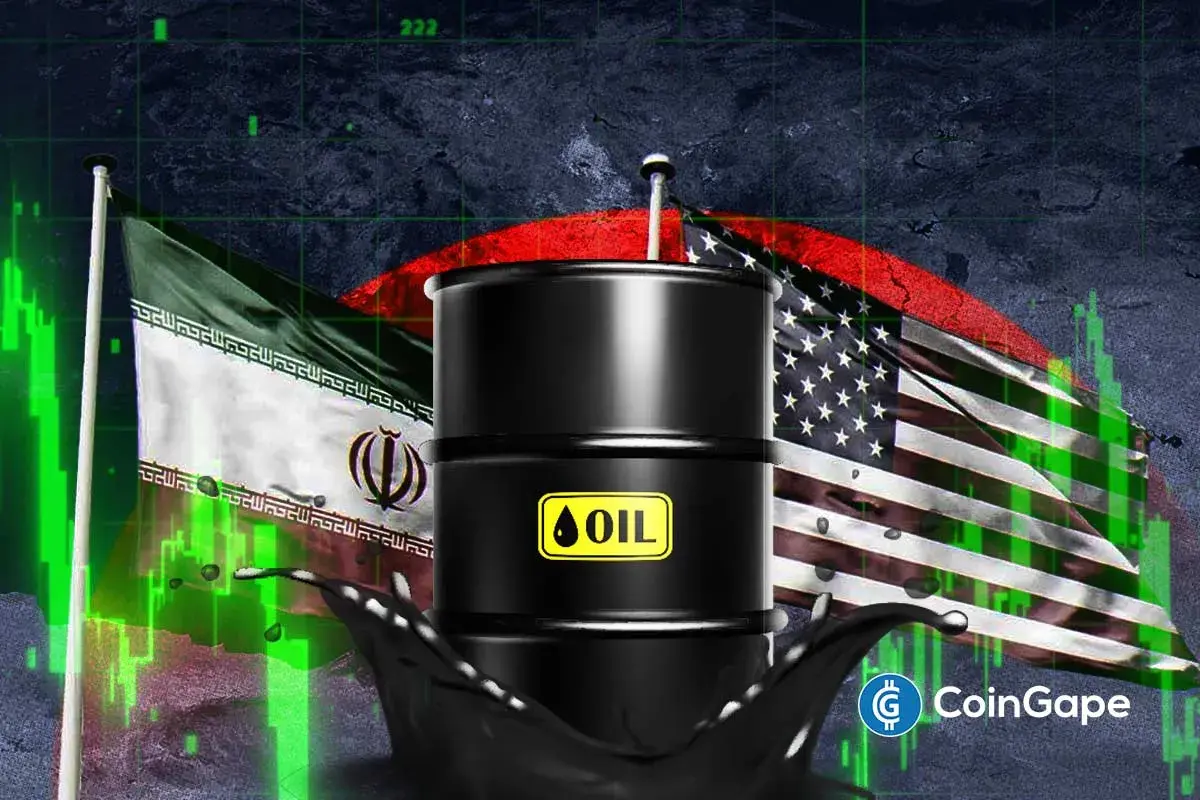
Oil Prices Surge Amid Rising Tensions in the Middle East: Impacts and Projections
In recent events, oil prices have surged significantly as geopolitical tensions escalate in the Middle East. Following Iran’s threat to close the Bab al-Mandeb Strait if U.S. President Donald Trump escalates tensions after the 8 P.M. deadline, oil futures have jumped above $117 per barrel, marking an increase of over 4% and hitting levels not seen since 2022. Such a spike in oil prices is alarming for global markets, particularly given that the Bab al-Mandeb Strait is a crucial maritime chokepoint, responsible for approximately 12% of global seaborne oil trade.
The potential for the Bab al-Mandeb Strait to be closed represents a dire supply shock that could further inflate oil prices globally. A senior Iranian official has warned that if the situation deteriorates, Iran’s allies could intervene in the ongoing conflict, disrupting maritime traffic significantly. The involvement of Iran-backed militia groups such as Yemen’s Houthis indicates a broader regional conflict that could complicate the supply chains essential for oil distribution. With oil being a globally traded commodity, such disruptions threaten not just energy prices but could ripple across various sectors of the global economy.
As the tensions rise, the shadow of U.S. military intervention looms large. Iran has communicated that attacks on its power infrastructure would necessitate retaliatory responses, potentially plunging the region into chaos. This situation not only puts critical energy supplies at risk but also raises questions about the stability of markets dependent on oil, thus adding to inflationary pressures that are already troubling investors. The specter of escalating military operations further worsens the outlook, as evidenced by the U.S. targeting Iran’s Kharg Island earlier in the day, raising fears of a full-blown conflict.
The adverse impacts on the cryptocurrency market cannot be ignored in light of rising oil prices. As oil prices climb, inflation concerns mount among investors, causing a significant drop in the total crypto market capitalization—down almost 2% to approximately $2.3 trillion. Bitcoin, often seen as digital gold and a hedge against inflation, plummeted following Iran’s rejection of a ceasefire. Traders and investors alike are closely monitoring developments, adjusting their strategies based on the heightened likelihood of U.S.-Iran hostilities.
Compounding these pressures is the development that Iran has reportedly severed direct communications with the U.S. While this complicates peace efforts, there are still indications that indirect channels may remain open. A report from the Wall Street Journal suggests that while direct talks may be on pause, negotiations for a ceasefire continue through third parties. This conflicting information highlights the uncertainty surrounding the situation, as hopes for a diplomatic resolution flicker amid tough rhetoric from both sides.
In conclusion, the intersection of rising oil prices and escalating geopolitical tensions in the Middle East presents a volatile environment for global markets. As the situation unfolds, it becomes evident that all eyes are on the actions of both Iran and the U.S. A potential closure of the Bab al-Mandeb Strait could lead to a significant supply shock, further influencing not only oil markets but also cryptocurrencies. Investors and analysts should remain vigilant as the geopolitical landscape continues to evolve, influencing economic conditions both regionally and globally.