



The Surge in Global Oil Prices Amid US-Iran Tensions
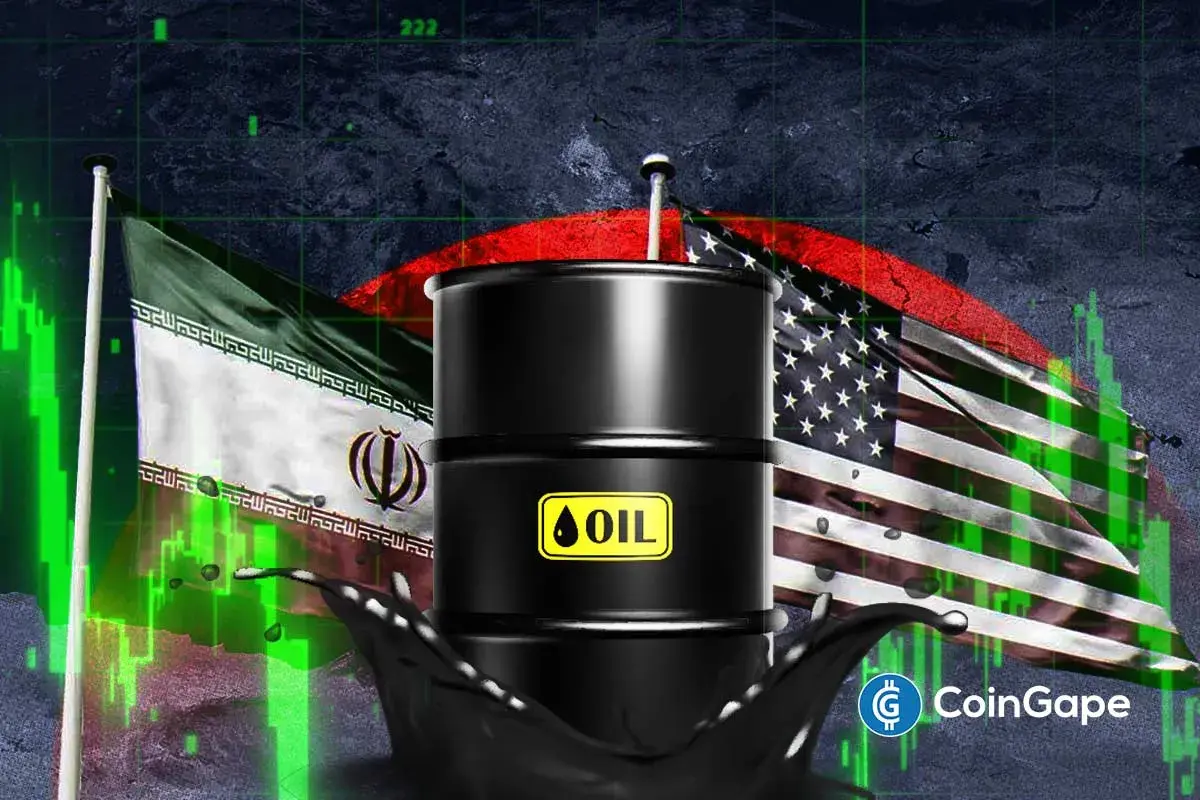
As the US-Iran conflict continues, now entering its 36th day, global oil prices have surged considerably, crossing the $111 mark, reflecting an increase of over 11%. This dramatic rise in crude oil prices is largely driven by heightened fears concerning the security of essential maritime trade routes. With the Strait of Hormuz partially closed, attention is now shifting towards the Bab el-Mandeb Strait, another critical artery for global energy and trade. Current market dynamics suggest that the risk of disruptions in this region could lead to even steeper hikes in oil prices, raising flags for potential global economic implications.
The Impact of the Bab el-Mandeb Strait on Oil Prices
The Bab el-Mandeb Strait, serving as the conduit between the Red Sea and the Gulf of Aden, is integral to global maritime oil transport. Approximately 6 million barrels of oil pass through this narrow passage each day, accounting for about 12% of global trade. The recent warnings from Iranian officials imply that disruptions in this region could ripple through international markets, intensifying an already precarious situation precipitated by the events in the Strait of Hormuz. Amrita Sen, founder of Energy Aspects, emphasizes that despite market assertions to the contrary, the underlying supply tightness is glaringly evident in these circumstances.
Consequences of Shipping Route Disruptions
The potential closure of the Bab el-Mandeb Strait would necessitate ships diverting to the lengthy Cape of Good Hope route, potentially adding 10 to 15 days to travel times. This diversion could further inflate the costs associated with transporting oil, food products, and a host of other goods globally. Consequently, consumers might feel the pinch through higher prices for oil and everyday necessities, further contributing to the specter of global inflation. This escalating cost burden on transportation could significantly affect household budgets worldwide.
Iran’s Ominous Warnings About Global Commodities
Recent statements from Iranian officials, including Mohammad Bagher Ghalibaf, have raised alarms about the potential implications of disruptions in Bab el-Mandeb. Ghalibaf’s comments focused on the significant share of global oil, liquefied natural gas (LNG), and food commodities that traverse this strait. The stakes are particularly high given that the ongoing geopolitical tensions could compromise the stability of not just oil shipments but other crucial imports like wheat and fertilizer, creating an imbalance that might resonate globally.
Crypto Markets React to Rising Oil Prices
While traditional commodities like oil become a focal point, the volatility extends to cryptocurrency markets as well. As oil prices climb, Bitcoin and other digital currencies have been struggling, reflecting underlying market anxieties. Persistent geopolitical tensions could inevitably lead to Bitcoin’s valuation plummeting, with experts speculating it could sink to alarming lows of $10,000. The dual pressure on oil and cryptocurrency markets reveals the interconnected nature of modern economies where geopolitical conflicts can influence diverse financial ecosystems.
Future Outlook: Navigating Economic Challenges Ahead
The looming uncertainties regarding oil supply routes underscore a broader narrative of economic fragility, stirring alarm not only in energy markets but also affecting consumer confidence and living costs globally. If the tensions persist, rising fuel prices can lead to an upsurge in transportation costs, further burdening household finances. As businesses grapple with higher operational costs, consumers may inevitably face more expensive goods and services in their everyday lives, presenting a challenging landscape for both individuals and nations.
In conclusion, the ongoing US-Iran war has escalated the risks surrounding essential maritime trade routes, particularly the strategically significant Bab el-Mandeb Strait. The potential for disruptions threatens to push oil prices to unprecedented levels, exacerbating inflationary pressures on global economies. As both traditional markets and burgeoning cryptocurrencies grapple with these changes, the interconnectedness of the global financial system reveals the broader implications of geopolitical conflict on everyday stakeholders. Continuing to monitor this evolving situation will be crucial as the world braces for potential economic fallout amid rising tensions.