



Oil Prices Surge Amid Iran War Escalation: What Investors Need to Know
In recent trading sessions, oil prices have seen a significant rebound, gaining momentum after U.S. President Donald Trump’s comments indicated a prolonged conflict with Iran. As uncertainties in international relations continue to unfold, this could have a notable impact on the global oil market, which has already been in a state of volatility. In this article, we’ll explore the implications of Trump’s statements on oil prices and the wider financial market, as well as the potential for continued price surges in the context of historical data.
A Turning Point in the Iran Conflict
Brent crude oil futures have climbed back to around $103, recovering from an intraday low of approximately $98. Similarly, U.S. West Texas Intermediate (WTI) futures have seen an increase of over 2%, trading at around $99. The catalyst for this uptick appears to be President Trump’s remarks during an interview, where he suggested that the Iran conflict might extend longer than previously anticipated. He remarked, “When I feel it—feel it in my bones,” signifying a shift in expectations regarding the duration of the war. His earlier, more optimistic outlook—that the war was “pretty much complete” —has now given way to a more somber assessment, indicating that investors may need to brace for higher oil prices in the foreseeable future.
U.S. Military Strategy and Its Fallout
In conjunction with Trump’s statements, U.S. Defense Secretary Pete Hegseth echoed this sentiment by revealing increased military strikes against Iranian targets. As tensions heighten and military actions escalate, the uncertainty surrounding oil supply can drive prices considerably higher. Each new military escalation are parts of a larger strategic calculus that seeks to exert pressure on Iran while simultaneously influencing global oil prices. Historically, military engagements have led to price spikes, and given the current trajectory, oil investors are likely to experience continued instability.
Bitcoin Market Volatility Linked to Oil Prices
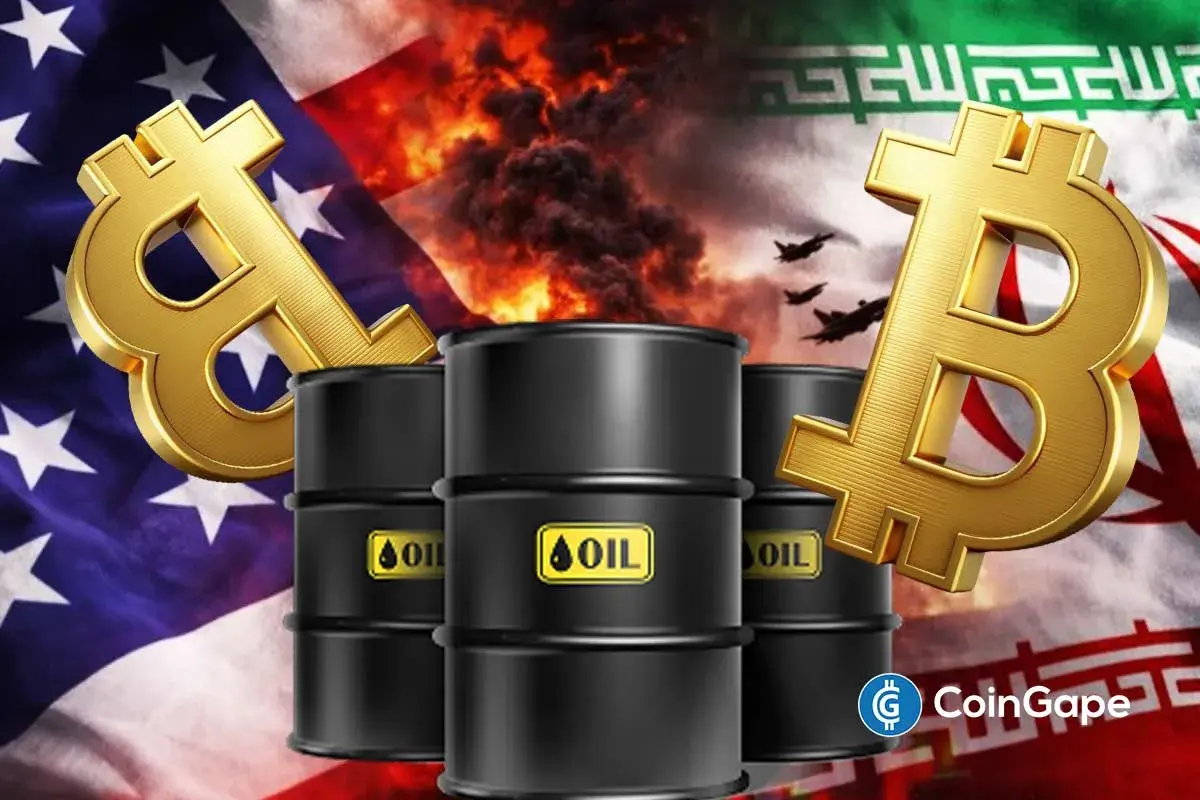
Interestingly, the surge in oil prices has also affected the cryptocurrency market. Bitcoin was initially up, trading above $73,000 earlier in the day, but has since pared back those gains, settling around $71,000—an increase of less than 1%. The observation that Bitcoin’s price is sensitive to oil market dynamics illustrates the interconnectedness of financial markets. As oil prices rise due to geopolitical uncertainty, investors often seek stable assets, spurring volatility in more speculative investments like cryptocurrency.
Predictions for Future Oil Prices
Investment bank RBC Capital has weighed in on the potential trajectory of oil prices, warning that the U.S.-Iran conflict may last longer than previously predicted. Analysts at RBC believe that a combination of geopolitical factors could extend the conflict into the spring and beyond. This speculation drives home the point that investors need to remain vigilant as market sentiment shifts rapidly in response to news and developments. Croft, the head of global commodity strategy at RBC, noted that oil prices may even surpass the record highs established during previous crises. If the conflict stretches on for several weeks, oil prices may exceed the heights seen during the 2022 Ukraine war, which peaked at $128 per barrel.
Market Sentiment and Analysts’ Predictions
Recent data from Polymarket shows waning optimism regarding the ending of the conflict. Earlier this week, predictions indicated a 80% probability that the conflict would resolve by June 30, a figure that has now dropped to 75%. This decline in sentiment reflects growing concerns that market estimates may not account for a long-term conflict. Given such indicators, RBC’s cautious assessment becomes increasingly relevant, as they project that prolonged conflict could send oil prices soaring above the record highs of $146 per barrel set during the 2008 crisis.
Conclusion: A Complex Landscape Ahead
In summary, the current state of oil prices is significantly influenced by geopolitical events, particularly the U.S.-Iran conflict, which shows no signs of resolution. As President Trump and U.S. defense officials indicate potential military escalation, market participants need to prepare for rising oil prices that could impact inventory levels, consumer costs, and even wider economic factors. Investors must remain aware of the historical patterns and economic indicators that could signal the continuation of this volatility. As always, understanding the broader context is key to navigating this complex financial landscape, with oil prices remaining a crucial focal point for both short-term trading strategies and long-term investment planning.