


Oil Prices Plummet Amid US-Iran Tensions: A Closer Look
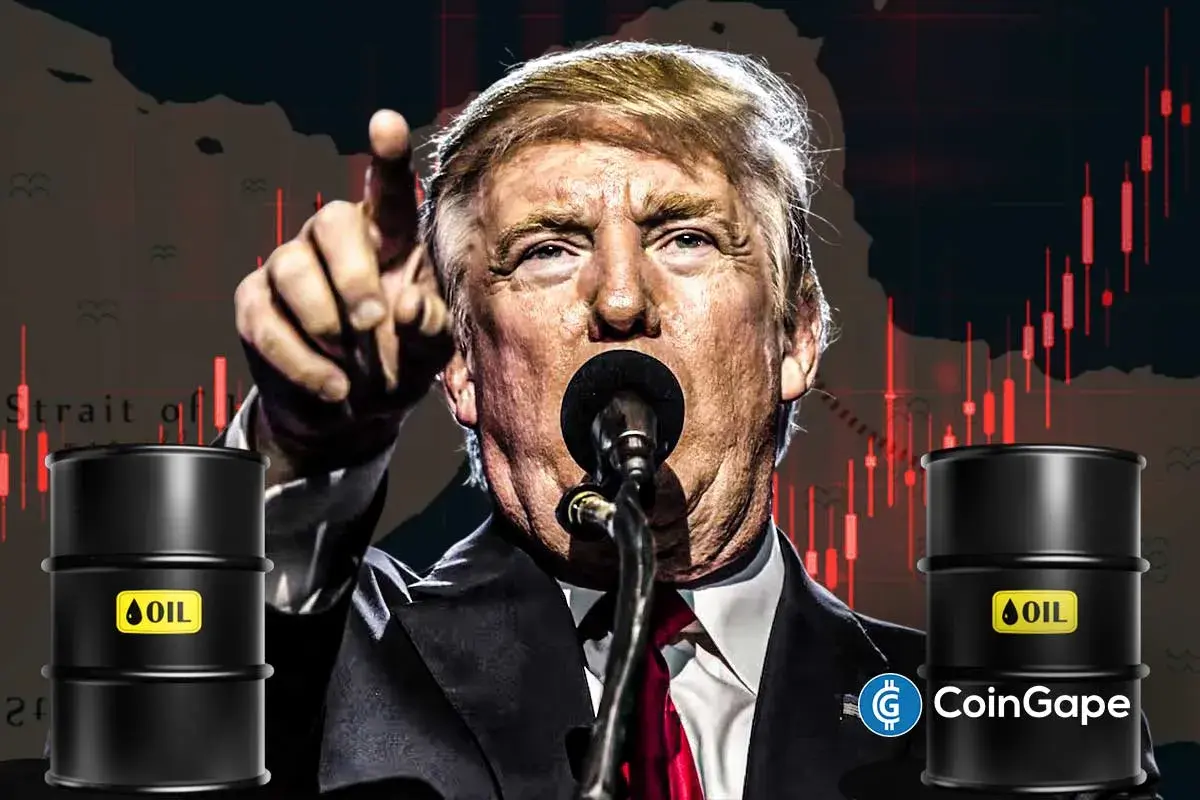
Oil prices have witnessed a significant drop today, largely attributed to the escalating conflicts between the United States and Iran. In recent developments, former President Donald Trump has issued stern warnings regarding the strategic Strait of Hormuz, underscoring the precarious situation. As supply disruptions loom, the crude oil market is responding to the heightened tensions, showcasing how geopolitical factors can dictate pricing trends.
Trump’s Stern Warning to Iran
In the latest updates on US-Iran relations, Donald Trump has communicated a strong message aimed at Iran. The former President cautioned that any attempts by Iran to block oil shipments through the Strait of Hormuz would be met with a devastating military response—from the United States—“twenty times harder” than previous actions. Trump’s rhetoric has been particularly aggressive, indicating that any threats to oil flow would invoke severe retaliation, which could include "death, fire, and fury." This marks a significant escalation in rhetoric as tensions in the region continue to rise.
The Strategic Importance of the Strait of Hormuz
The Strait of Hormuz remains one of the world’s most crucial maritime routes for oil transportation, with approximately 13 million barrels of oil traversed daily. Trump’s warnings come after Iran allegedly closed this critical passage, threatening any ships attempting to navigate through it. Iran’s Revolutionary Guards declared that they would take drastic measures against ships seen as contravening their territorial claims. These developments not only threaten the security of oil shipments but also the stability of global oil prices, driving up speculation and uncertainty in the market.
Impact on Global Oil Prices
The geopolitical conflicts have directly influenced oil trading, leading to a notable plummet in prices today. Following a remarkable surge that saw Brent crude prices rise by 30% the previous day, oil prices fell sharply—Brent crude dipped 4.2% to approximately $94.79 per barrel, while U.S. West Texas Intermediate (WTI) dropped 4% to around $90.96. These fluctuations underscore the volatility of the oil market and the immediate impact of geopolitical crises on pricing.
Market Reactions and Analysis
Market analysts indicate that the recent changes in oil prices reflect not just immediate responses to geopolitical tensions but also broader fears regarding global supply disruptions. The G7’s hint at a potential release of 400 million barrels of oil may have provided a temporary cushion for the prices, but the underlying tensions remain a cause of concern. Following Trump’s statements, the market exhibited volatility, with significant intra-day fluctuations. Currently, oil prices have declined roughly 10%, with Brent crude stabilizing around $85 per barrel, showing how swiftly the market reacts to political announcements.
Looking Ahead: What’s Next for Oil Prices?
As the situation surrounding the Iran-US conflict continues to evolve, the oil market will likely remain sensitive to developments. Analysts caution about the potential for further military escalation, which could exacerbate supply chain issues and lead to even higher oil prices. If Iran persists in its aggressive posture concerning the Strait of Hormuz, it could lead to more severe disruptions in oil supplies, driving prices even higher. Investors and market watchers must remain vigilant as they navigate this complex and ever-shifting landscape.
Conclusion: Geopolitical Tensions and Market Dynamics
The recent oil price drops amid US-Iran tensions highlight the intricate links between geopolitical events and market dynamics. Trump’s strong warning against Iran regarding the Strait of Hormuz has sent ripples across the global oil market, influencing both pricing and trading behaviors. As the region continues to grapple with these conflicts, understanding the interplay between military actions and oil supply will be critical for stakeholders in the energy sector. Keeping a close eye on developments in this ongoing situation will be vital for anticipating future trends in oil prices.