



Escalation in the US-Iran Conflict: Analyzing the Current Situation
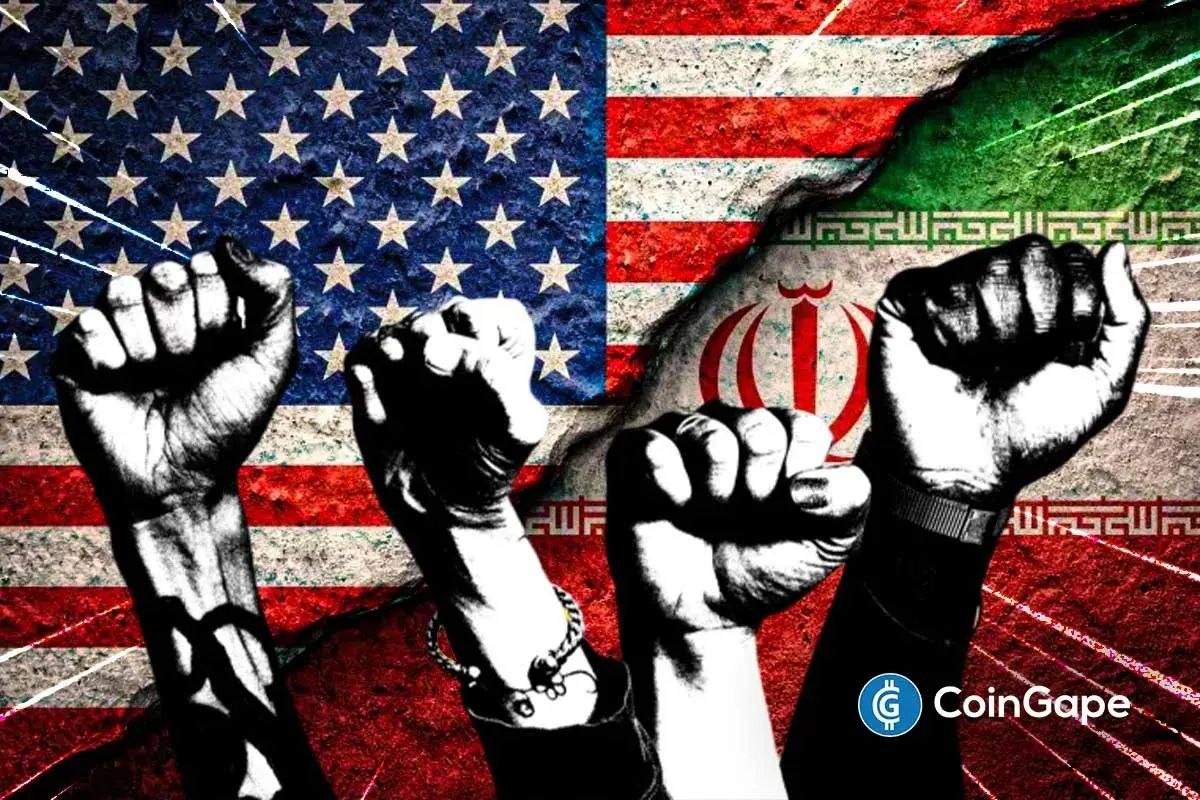
The US-Iran conflict has entered a precarious new phase, with both nations increasingly dismissing existing peace proposals and edging closer to military confrontation. President Donald Trump has set a stringent deadline, directly linking it to Iran’s actions in the vital Strait of Hormuz. In contrast, Tehran has rejected the peace terms that it deems inadequate. As diplomatic efforts fail, military activities have surged, notably U.S. strikes against Iran’s Kharg Island, which processes approximately 90% of Iran’s oil. As the clock runs down on the deadline, analysts contend that limited military engagement is the most likely outcome, fuelling global uncertainty surrounding the conflict.
Peace Terms and Military Readiness
The current landscape shows little to no potential for a ceasefire between the U.S. and Iran. Analysts from Bloomberg Economics have outlined four main scenarios as the conflict escalates. Unfortunately, a ceasefire remains improbable, with both parties remaining vastly apart on crucial terms. While there’s a slight chance for a delay, Trump’s evident reluctance to extend deadlines again emphasizes the urgency of the situation. Analysts forecast that airstrikes are the most probable short-term outcome, ranging from limited operations to more extensive attacks, although a large-scale ground invasion appears less likely due to the associated risks.
U.S. Warnings and Iranian Retaliation
In his recent statements, Trump has laid out the consequences of Iran’s non-compliance, threatening immediate attacks on critical Iranian infrastructure assets such as bridges and power plants. While he asserts that the U.S. military holds sufficient capability to strike decisively, he also expresses a desire to avoid unnecessary destruction, acknowledging that rebuilding would follow any large-scale military action. This duality in approach puts Trump in a precarious position as he balances military readiness with the potential ramifications of escalation.
Diplomatic Standoff
The future of U.S.-Iran relations rests on a narrow diplomatic window. Trump’s ultimatum effectively hinges on Iran’s reopening of the Strait of Hormuz, with the President warning that non-compliance would prompt immediate action. However, Tehran’s counter-offer has been met with derision from U.S. officials, who categorize these demands as “maximalist” and impossible to accommodate. Despite Trump’s confident assertions about U.S. military capability, including the ominous suggestion that Iran could be “taken out” in a single night, the reality of global shipping disruptions stemming from the Strait’s instability complicates the decision-making process.
Market Reactions and Predictions of Prolonged Conflict
The financial markets are beginning to signal a belief that the U.S.-Iran War may extend longer than initially anticipated. Prediction market data reveals that the immediate probability of resolution remains strikingly low. For example, estimates suggest only a 1% chance of resolution by April 7 and just 9% by April 15. However, more distant dates reflect increasing confidence in potential resolution, with May 15 showing a 33% probability and June 30 rising to 61%. Remarkably, projections for December 31 yield an 84% likelihood, indicating that market participants expect a drawn-out conflict before a resolution is achieved.
The Role of Influencers and Public Perception
Prominent figures in the business world are also weighing in on the unfolding conflict. Billionaire investor Grant Cardone has boldly predicted that within hours, President Trump will announce, “We have a deal,” as the deadline for Iranian compliance approaches. This prediction adds another layer of public intrigue and speculation about the conflict’s trajectory, suggesting that both diplomatic and military solutions are on the table as time runs out. Analysts remain divided on whether such optimistic proclamations are plausible in the current environment of tension and hostility.
Conclusion
As the U.S.-Iran conflict escalates, the world watches closely. The rejection of peace terms by both sides, coupled with rising military readiness and economic implications, sets a volatile stage. Whether the looming deadline will compel either side to reconsider their positions remains to be seen. Ultimately, the intersection of military action and diplomatic negotiations will define the future of relations between the U.S. and Iran. While optimism from influential figures may spark brief hope, the grim reality suggests that significant challenges remain on the path to lasting peace. Global leaders and analysts will need to prepare for a range of outcomes as the situation continues to evolve, making vigilance and adaptability key to navigating this complex geopolitical landscape.