




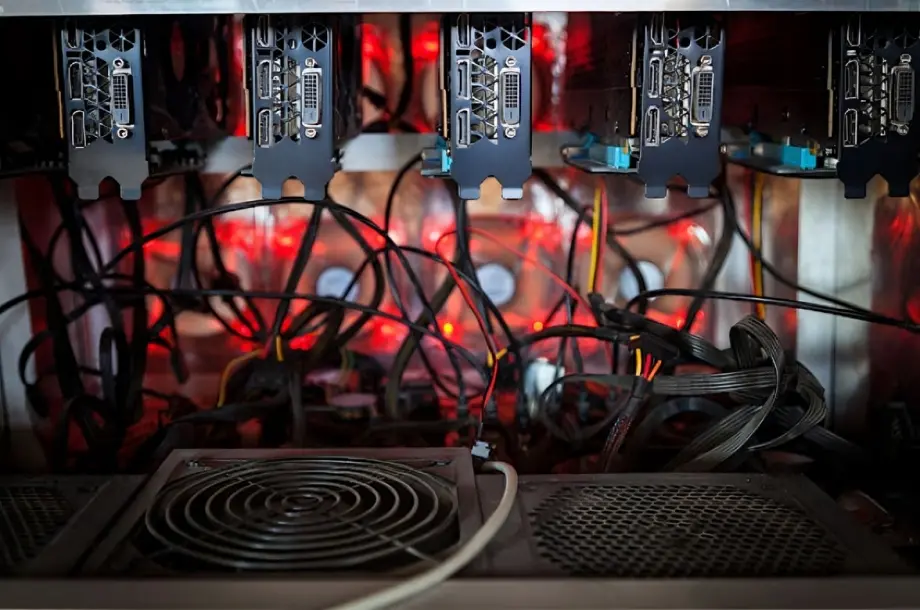
The Evolution of GPUs: From Gaming to Decentralized Computing
Since the start of the decade, the landscape of Graphics Processing Units (GPUs) has transformed dramatically. No longer limited to gaming, GPUs have become essential in various sectors, including artificial intelligence (AI), cryptocurrency mining, and big data analysis. The shift towards GPU utilization in these areas signifies a broader change in the computing ecosystem, where distributed GPU cloud markets are projected to reach a valuation of $17 billion by 2035. This diversification hinges on three primary concerns: performance, cost, and security, which are crucial for users worldwide.
The Promise of Distributed GPU Clouds
The advent of distributed GPU clouds allows users to harness the computational power of thousands of remote GPUs globally. This capability results in massive parallel processing with high speed and low latency. A significant advantage of utilizing these cloud services is the pay-as-you-go pricing model, which reduces financial burdens on consumers when compared to investing in dedicated hardware. As businesses and tech enthusiasts increasingly transition data-intensive tasks to decentralized physical infrastructure networks (DePINs), they seek out solutions that are efficient, cost-effective, and secure. However, challenges remain, including a rising demand for hardware that often outpaces supply, compounding issues stemming from global supply chains and trade tensions.
Market Dynamics: Challenges and Opportunities
From a market perspective, companies like NVIDIA have had to reduce production of consumer GPUs by up to 40% as of early 2023, leading to fewer available cards for gamers and creators. This reduction has, in turn, driven up the purchase costs for consumers, with prices expected to rise by 10-20% over the next few months. Amid these dynamics, industry observers are exploring "borderless" compute networks that leverage blockchain technology. Such systems are designed to improve efficiency and security by distributing tasks across multiple independent nodes, eliminating single points of failure and enhancing resilience against censorship.
The Salad-Golem Partnership: A Game Changer
In this evolving landscape, the partnership between Salad and the Golem Network illustrates the future of decentralized computing. Salad is a startup that taps into idle PC graphics cards worldwide to create a compute-sharing GPU cloud. Golem, one of the first decentralized computing protocols, adds another layer of innovation to this collaboration. Recently, Salad began an engineering trial using Golem’s peer-to-peer (P2P) network to handle specific workloads, including intensive tasks like AI model inference and 3D rendering. This partnership showcases how combining resources can address growing demand while optimizing usage.
Blockchain Integration: Transforming Efficiency
An essential component of the Salad-Golem trial is the integration of blockchain technology for measuring throughput. Payments for computing resources can be made in cryptocurrencies rather than traditional currency, streamlining transactions and reducing costs. Golem’s smart contract system enables the assignment and verification of jobs, further enhancing operational efficiency compared to conventional cloud billing methods. As Salad CEO Bob Miles notes, the goal is to democratize access to high-end computational power, positioning their offerings to rival even the most powerful supercomputers.
Future Outlook: Decentralization and Democratization of Compute Power
As global demand for computing power continues to rise, decentralized distributed clouds present a viable solution to meet this growing need. The Salad-Golem partnership serves as an early test case for merging Web2 resources with burgeoning Web3 elements. If successful, it could pave the way for larger-scale projects that further democratize access to high-performance computing resources. In summary, the evolution of GPU utilization signifies a pivotal moment in the transition towards a more decentralized and democratized computing landscape, marking an exciting frontier for both the tech industry and consumers alike.
In conclusion, the developments surrounding GPUs and distributed cloud networks underscore a fundamental transformation in how computing resources are provisioned. With the right strategic partnerships and innovative technologies, the future holds vast potential for optimized, secure, and accessible computational power tailored to meet the needs of a diverse range of users. The intersection of traditional and decentralized networks is poised to reshape our understanding of computational efficiency, bringing us closer to a truly interconnected and resource-efficient digital age.