



Kevin Warsh Nominated as Fed Chair: Implications for the U.S. Economy
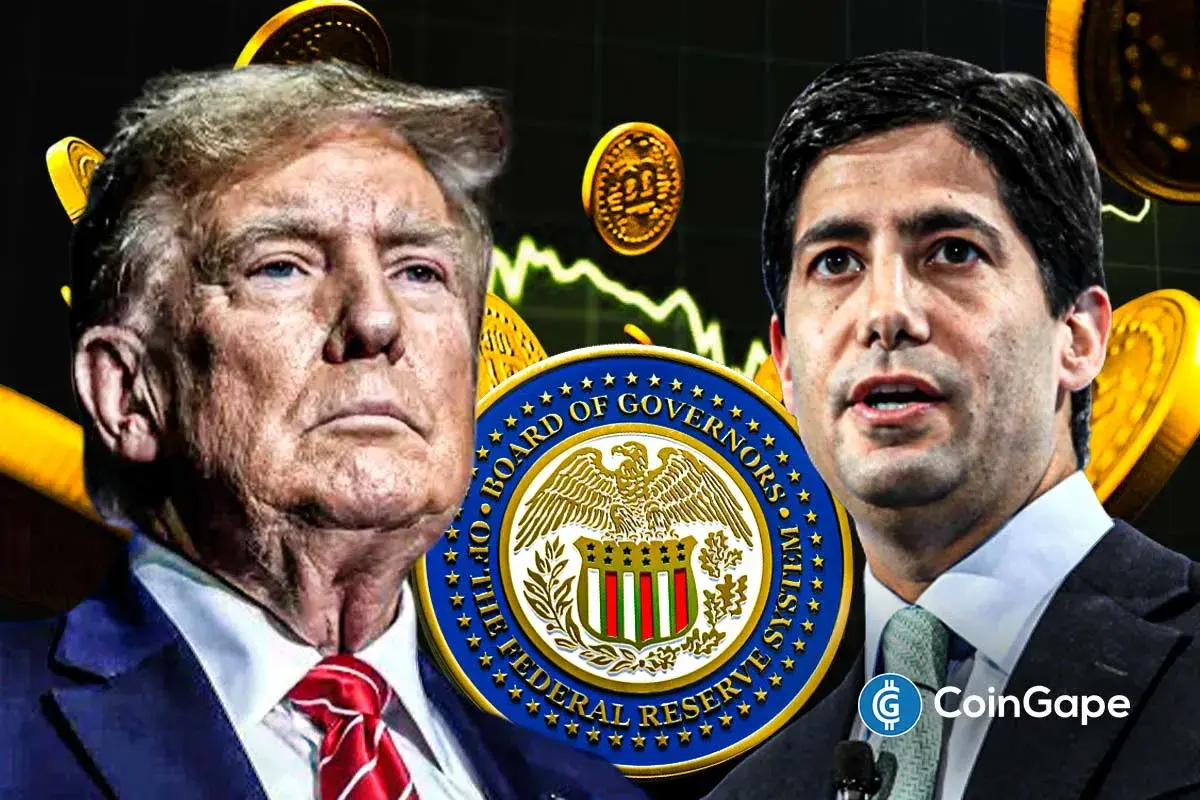
On January 30, 2026, President Donald Trump officially nominated former Federal Reserve governor Kevin Warsh to lead the U.S. central bank. This announcement comes after extensive speculation regarding the successor to Jerome Powell, who is set to retire in May. Warsh’s nomination signals a significant shift in Federal Reserve leadership, especially in the context of ongoing tensions between the Trump administration and the existing Fed leadership. Trump has repeatedly criticized Powell for his perceived sluggishness in reducing interest rates, underscoring a pivotal moment for U.S. monetary policy.
Who is Kevin Warsh?
Kevin Warsh, at 55, isn’t new to the Federal Reserve landscape. Serving as a Fed governor from 2006 to 2011, he played a vital role during the global financial crisis, contributing to crucial policy discussions. Transitioning to the private sector and think tanks, Warsh has remained influential, particularly in economic discussions. His roles at Morgan Stanley and as an advisor during the George W. Bush administration highlight his extensive experience. Now, with his nomination, he finds himself back in the public eye, presenting an approach strongly aligned with Trump’s economic ideals, particularly concerning interest rates and monetary policy reform.
Economic Uncertainty and the Fed’s Dilemma
Warsh’s potential confirmation could not occur at a more crucial juncture for the U.S. economy. The Federal Reserve is tasked with balancing price stability, employment growth, and long-term financial health amidst economic uncertainty. Market reactions to Warsh’s nomination have been notable, with sharp fluctuations in asset prices anticipated based on rumored changes in monetary policy. President Trump has expressed confidence in Warsh, labeling him as one of the "GREAT Fed Chairmen" with the capability of providing steady leadership in challenging times.
Independence of the Federal Reserve
A notable political aspect of Warsh’s nomination is the question of the Federal Reserve’s independence. Trump’s history of advocating for low interest rates, contrary to Powell’s more cautious stance, brings attention to the influence the White House might exert over monetary policy. Warsh’s nomination, viewed by many analysts as a move to deepen Trump’s impact on the Fed, raises concerns about the central bank’s autonomy. Such dynamics could fundamentally alter how monetary policy is approached, especially if Warsh’s leadership aligns closely with Trump’s fiscal strategies.
The Path Forward: Senate Confirmation
As Warsh’s nomination heads to the Senate for confirmation hearings, he faces the challenge of securing majority support before assuming office in mid-May. In light of Powell’s tenure and the scrutiny surrounding the transition, some opposition from legislators is anticipated. Questions concerning the timing of the nomination process and ongoing investigations into Powell could complicate Warsh’s confirmation. Nevertheless, many acknowledge Warsh’s qualifications to lead the central bank amid intricate economic challenges, setting the stage for significant policy discussions.
Potential Impact on Future Monetary Policy
Should Warsh secure confirmation, his leadership could bring transformative changes to the Federal Reserve’s communication with markets and its approach to interest rate decisions. Senate committees will evaluate Warsh’s views on critical issues such as inflation, economic growth, and the Fed’s role in the economy. His established background and potentially reformist outlook may influence how the central bank navigates future challenges, enhancing communication strategies and redefining its policies in alignment with the current administration’s aims.
In summary, Kevin Warsh’s nomination as Fed Chair represents a crucial pivot in U.S. monetary policy at a time characterized by economic uncertainty. As debates unfold in the Senate regarding his confirmation, the broader implications for the Federal Reserve’s independence and leadership strategies will undoubtedly shape both national and global economic landscapes.