



Kevin Warsh: The Potential Next Federal Reserve Chair
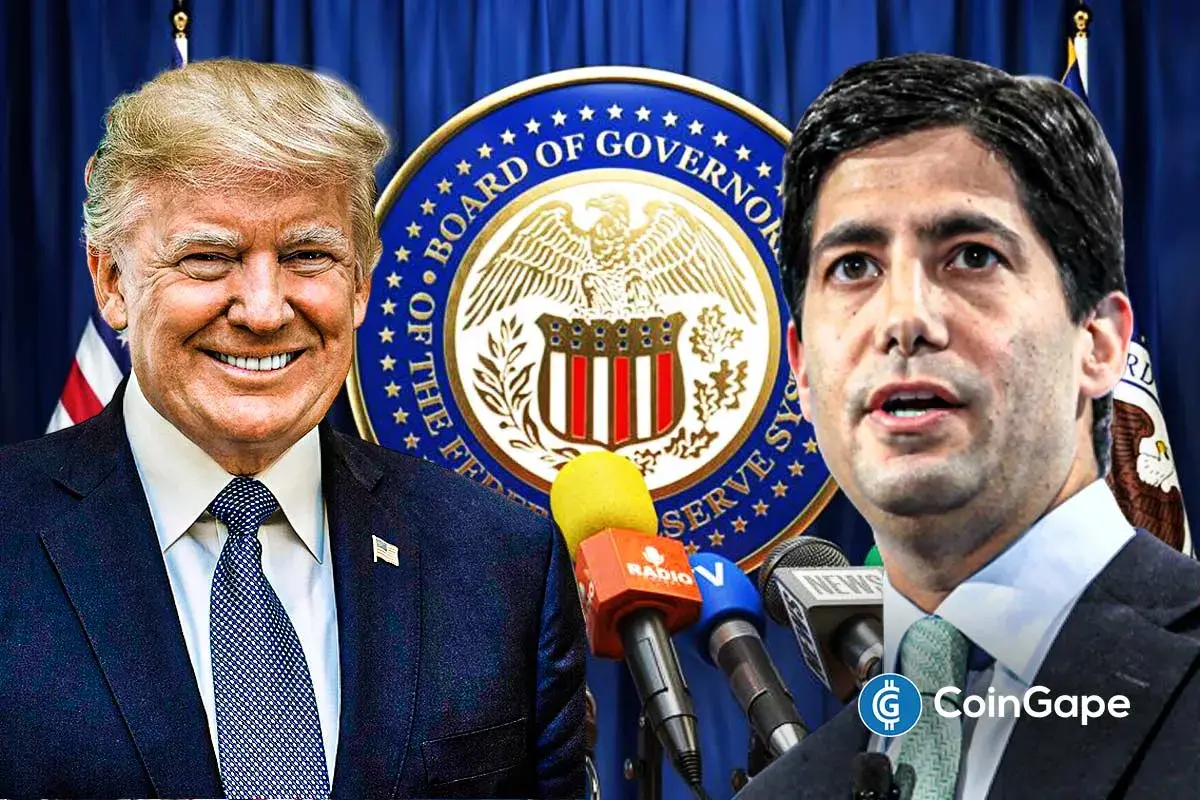
As the financial world watches closely, Kevin Warsh has emerged as a front-runner for the next Federal Reserve Chair, following President Donald Trump’s recent statements suggesting he has already chosen a successor for Jerome Powell. Though Trump has withheld the name, speculations surrounding Warsh’s candidacy are gaining momentum, supported by market predictions and political narratives.
Kevin Warsh’s Strengths and Market Favorability
Prediction markets, such as Polymarket, currently favor Kevin Warsh as the leading candidate for the Federal Reserve Chair position. With substantial backing in market data, Warsh has positioned himself ahead of notable figures like Kevin Hassett, Christopher Waller, and Rick Rieder. Warsh, a former Federal Reserve governor, boasts considerable policy experience and narrowly missed the prestigious role during Trump’s first term. His known inclination towards low interest rates aligns with investor expectations, which could pave the way for a more lenient financial environment under his potential leadership.
The Significance of Market Dynamics
The market’s response to potential Fed Chair nominations overtly reflects investor sentiment. Following reports that Trump interviewed Rick Rieder, market speculation intensified, amplifying Warsh’s visibility as a candidate. Traders are primarily betting on how upcoming changes in Fed leadership might steer monetary policies, especially considering Trump’s pro-rate strategies. This optimistic outlook is not solely based on a formal nomination but a growing confidence that a pivot in the Fed’s approach is imminent with the right leadership.
Insights from Trump’s Commentary
In a recent interview, Trump made headlines by acknowledging he has set his sights on a replacement for Powell while deliberately withholding specifics. His commentary hinted that Hassett is a favored candidate, yet this ambiguity interacted with market volatility, leading to fluctuating odds related to Hassett’s chances. Trump’s critique of Powell’s leadership—suggesting the need for a shift towards a more accommodative monetary policy—further clarified what qualifications he seeks in a candidate, specifically advocating for lower borrowing costs to stimulate economic growth.
Rate-Oriented Leadership: Trump’s Vision for the Fed
Trump’s preferences for a new Fed chair signal a significant departure from policies aimed at economic stabilization. With Powell’s term ending in May, Trump’s insistence on lower interest rates aligns with his vision for fostering economic growth amid rising criticisms of the current leadership. His comments suggest a clear requirement for any chosen candidate to support lower rates, which raises questions about the institutional independence of the Fed. An effective Fed Chair must balance these political pressures while addressing critical economic challenges.
Economic Landscape and Challenges Ahead
The future Fed Chair, potentially Warsh, will inherit a considerable challenge amid rising inflation, employment uncertainties, and an unpredictable financial landscape. As economic stability remains a pressing issue, the new leadership must navigate the delicate interplay between fostering growth and controlling inflation, ensuring a stable economic environment. Warsh’s past experiences at the Fed may provide him with insights to balance these competing objectives, ensuring that financial policies are both responsive and responsible.
Conclusion
In summary, as Trump prepares to name a new Federal Reserve Chair, Kevin Warsh’s candidacy stands out, buoyed by substantial market support and his history as a Fed governor. His potential focus on lower interest rates reflects broader investor expectations for a shift in monetary policy. However, as Trump’s comments underline the importance of political alignment with the Fed’s leadership, questions of independence loom large. Amid a challenging economic landscape, the incoming Fed Chair will play a crucial role in shaping America’s financial future, balancing growth and stability in a complex environment.