



Kalshi’s Rise in the Prediction Market: A Look at Recent Developments
Kalshi has made waves in the prediction market sector, establishing itself as a front-runner in the industry due to strategic new media partnerships. Its escalating prominence can be traced back to notable agreements with major news networks, which have significantly enhanced its market position, particularly in reporting data related to economic events and elections. This article explores how these developments are impacting both Kalshi and its competitor, Polymarket, as well as the implications for the broader prediction market landscape.
Partnerships with Major News Networks
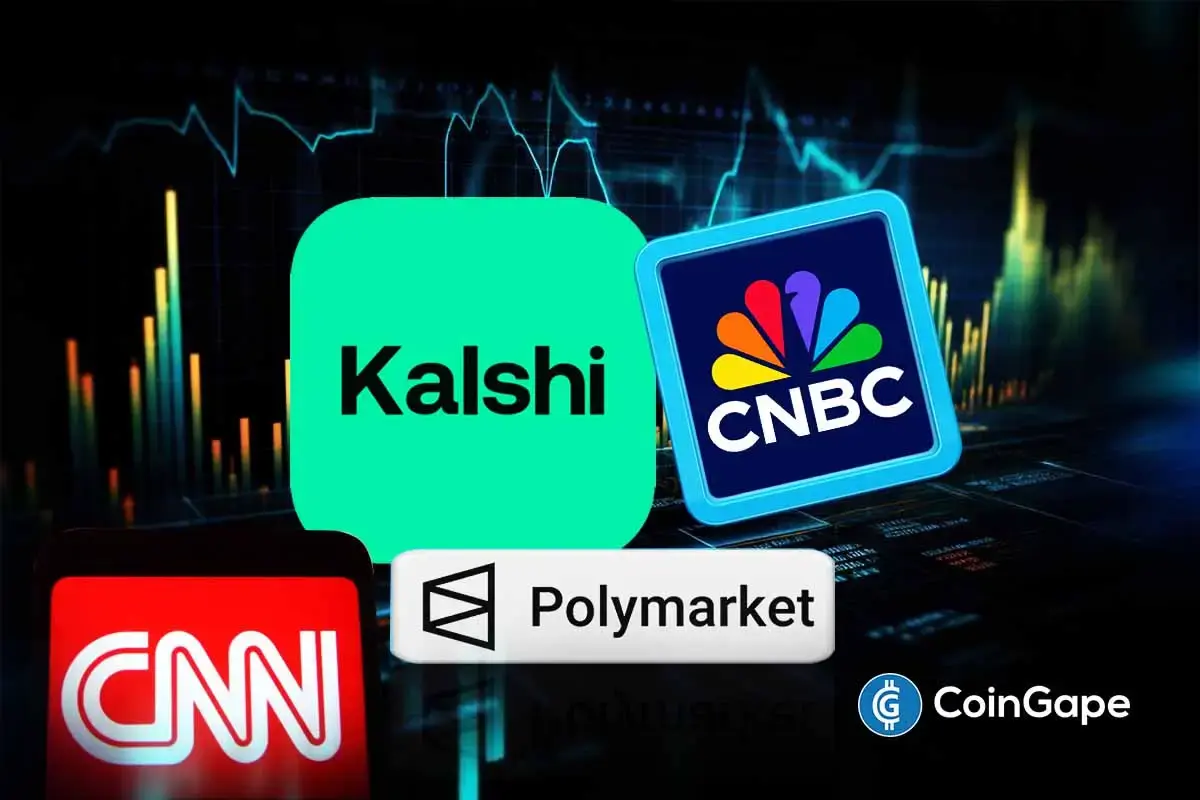
On October 16, 2023, CNBC announced its collaboration with Kalshi to utilize the platform’s real-time prediction data across its television and digital channels from 2026. High-profile programs like Squawk Box and Fast Money are set to benefit from Kalshi’s event-probability insights. CNBC President KC Sullivan emphasized the importance of prediction markets, stating that "their data will serve as a powerful complement to CNBC’s reporting and help people stay better informed about the world around them." This partnership is expected to enhance the clarity and dynamism of news reporting, allowing viewers to access critical prediction data alongside traditional news coverage.
Shortly after, CNN followed suit, naming Kalshi its official prediction market provider. By integrating Kalshi’s capabilities into its TV segments and social media, CNN aims to bolster its election coverage and economic predictions. These partnerships mark a significant step in mainstream media’s adoption of predictive analytics and demonstrate the growing acknowledgment of prediction markets as essential tools for real-time reporting.
Funding and Expansion
Kalshi’s strategic partnerships come on the heels of a successful funding round, which saw the platform raise $1 billion, elevating its valuation to $11 billion. Such financial backing has fueled its recent expansions, including the launch of tokenized versions of its prediction contracts on the Solana blockchain. These innovations allow each event contract to function as a tradable token, expanding usability through standard cryptocurrency wallets. This step not only broadens its user base but also capitalizes on the growing interest in blockchain technology within the financial sector.
The platform’s record trading performance—reporting $4.54 billion in trading volume in November alone—highlights its increasing market traction. With weekly trading volumes surpassing $1 billion, Kalshi’s momentum shows no signs of slowing down, solidifying its position in the competitive landscape.
Scrutiny and Challenges
Despite Kalshi’s upward trajectory, the company has faced scrutiny over alleged manipulation in the prediction market. Accusations have surfaced claiming that the platform might be skewing market outcomes to its advantage. However, Kalshi’s founder has publicly described these claims as baseless, attempting to alleviate concerns among users and investors alike. This situation underscores the complexities that come with operating in a nascent and rapidly evolving market. As Kalshi navigates these challenges, maintaining transparency will be essential in fostering user trust and ensuring regulatory compliance.
Polymarket’s Strategic Moves
While Kalshi steadily advances, its competitor Polymarket is working towards reclaiming its top position in the prediction market arena. Confirming plans to re-enter the U.S. market, Polymarket is expected to roll out a new American app following approval from the CFTC. This move aims to attract users on its waitlist, marking a pivotal moment in the firm’s strategy to regain competitiveness against Kalshi.
Polymarket also reported impressive trading volumes, processing $3.76 billion in November. Additionally, the burgeoning institutional interest in prediction markets is evident in Galaxy Digital’s engagement with both Polymarket and Kalshi to provide market liquidity. Such alliances could significantly elevate market standards and attract larger capital inflows.
Innovations and Token Development
In a bid to modernize its offerings, Polymarket has also formed a partnership with PrizePicks to enhance prediction capabilities for fantasy sports users. This collaboration not only broadens its user demographic but blankets a significant vertical within the prediction market sector. As Polymarket explores the implementation of tokens following regulatory approvals, its ambition to become a more versatile platform is clear.
By introducing token structures, Polymarket aims to enable more flexible trading options, enhancing user experience while increasing its competitiveness against platforms like Kalshi. In an era characterized by rapid digital transformation, these developments highlight an exciting shift in how prediction markets cater to diverse audiences.
A Competitive Future in Prediction Markets
With Kalshi’s significant strides and Polymarket’s strategic maneuvers, the prediction market landscape is evolving at an unprecedented pace. The partnerships with major media organizations position Kalshi favorably, enhancing its visibility and solidifying its credibility. On the other hand, Polymarket’s return to the U.S. market and initiatives to diversify its offerings illustrate an astute response to competitive pressures.
As the industry continues to mature, the dynamics between these two platforms will likely encourage innovation and drive user engagement, resulting in a vibrant marketplace with insightful predictive analytics. Ultimately, the continuous evolution of prediction markets is set to transform how investors, business leaders, and the public access crucial data that shapes key decisions in an increasingly unpredictable world.