



Justin Sun Accuses WLFI of Hidden Backdoor: A Deep Dive into the Controversy
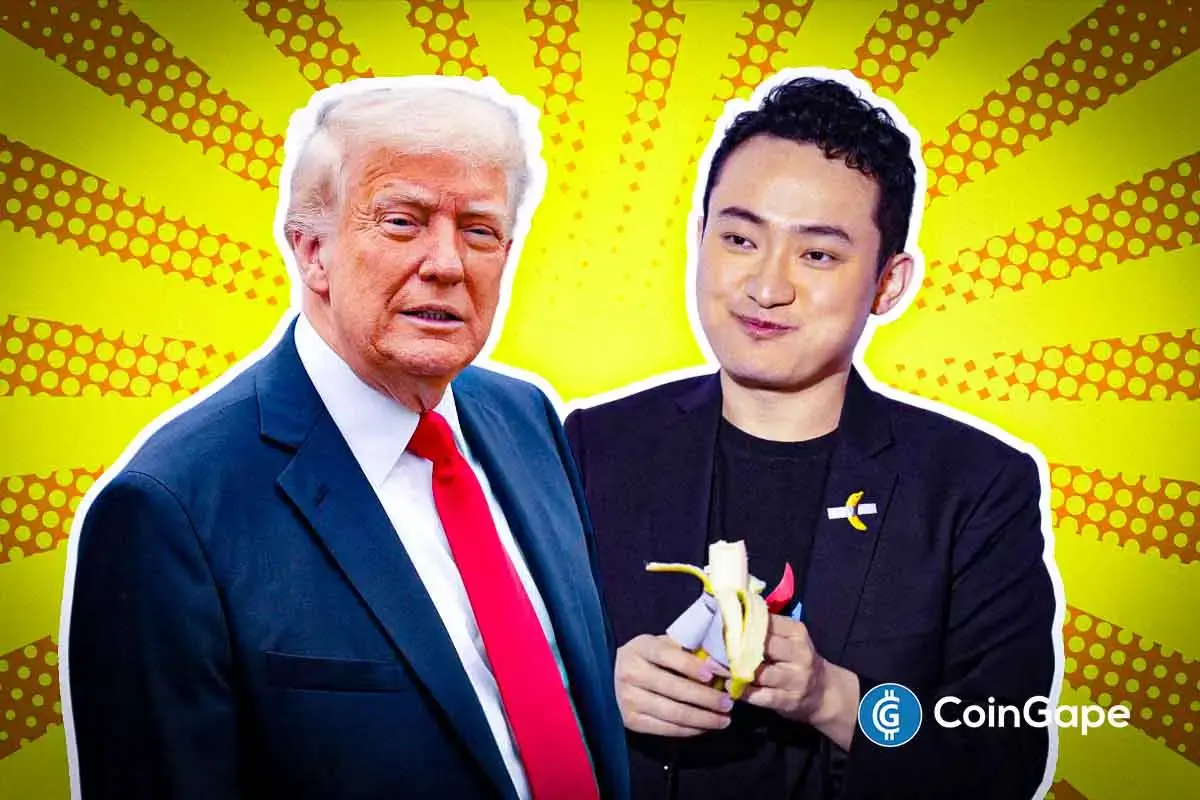
Tron founder Justin Sun has stirred significant controversy by publicly accusing World Liberty Financial (WLFI), a cryptocurrency initiative with alleged ties to Donald Trump, of embedding hidden controls in its token infrastructure. This accusation emerged from well-researched observations he shared on X, revealing a troubling dynamic within the world of decentralized finance (DeFi), which is fundamentally aimed at promoting transparency and trust among users.
The Allegations: A Backdoor to Users’ Assets
Justin Sun, once a supporter of WLFI’s vision for decentralized finance, has made bold claims regarding the integrity of the project. He stated that WLFI incorporated a "backdoor blacklisting function" within its smart contract, allowing the team to impose restrictions on user assets at their discretion. This feature, according to Sun, fundamentally contradicts the principle of decentralization that DeFi strives for. He described this approach as "a trap door marketed as an open door," highlighting a significant breach of trust that could have far-reaching implications for investors who believed in the project’s ethos.
In an alarming twist, Sun revealed that he himself had fallen victim to this alleged manipulation, claiming that his wallet was blacklisted in 2025. As one of the project’s initial investors, he expressed his outrage regarding the lack of disclosure surrounding this feature. Sun’s accusations not only question WLFI’s ethics but also raise concerns about the project’s ability to maintain confidence among its investor base.
The Financial Controversy: WLFI’s $75 Million Borrowing
The controversy surrounding WLFI has been amplified by its borrowing practices, with the project reportedly committing around $5 billion in its tokens to secure a loan of approximately $75 million in stablecoins. This method has drawn significant skepticism, with critics likening it to a form of circular financing, where internally issued assets are used as collateral for external liquidity. Such practices put the project’s stability into question and provoke speculation about its sustainability in the volatile crypto market.
Blockchain analysts have shared detailed accounts of WLFI’s financial maneuvers. In February, the project supposedly borrowed $11.4 million USD from an $14 million deposit of its in-house stablecoin, USD1. Following this, WLFI transferred funds directly to Coinbase Prime, bypassing essential lending mechanisms. This transactional opacity raises critical questions about operational integrity and accountability within the organization.
The Impact on WLFI’s Market Standing
Justin Sun’s claims have not only ignited discussions about the ethical dimensions of WLFI’s operations, but they have also adversely impacted the project’s market performance. In the wake of accusations, the price of WLFI plummeted to below $0.08, marking a significant decline of more than 21% in just one month. This downward trend illustrates the fragility of investor confidence in the wake of allegations, reinforcing the importance of transparency in the crypto sector.
Liquidity issues further complicate matters for WLFI, with the utilization rate of the USD1 pool nearing 93%. Such strains indicate potential withdrawal challenges, creating an environment of uncertainty for investors and users alike. The economic ramifications of these controversies highlight the critical interconnection between operational ethics and market health in decentralized finance.
Calls for Transparency: A Way Forward for WLFI
In light of these unfolding events, Justin Sun has called on WLFI’s team to demonstrate transparency by unlocking tokens and improving communication with its investor base. His appeal underscores a larger industry-wide demand for accountability, especially in the face of mounting skepticism. The cryptocurrency landscape is plagued with challenges, making it imperative for projects to prioritize trust and integrity to survive.
The ramifications of Sun’s allegations resonate beyond WLFI, offering a cautionary tale for both current and potential investors in the crypto space. A project’s reputation can be a critical determinant of its long-term viability, and incidents like these serve as stark reminders of the inherent risks associated with DeFi investments.
Navigating the Future of DeFi: Trust and Transparency
As the crypto market continues to evolve, developers, investors, and regulators alike must grapple with the importance of trust and transparency. In a decentralized financial landscape, where technology allows for unprecedented control over digital assets, the need for vigilance against hidden mechanisms is crucial. Justin Sun’s allegations against WLFI serve as a critical reminder of the essential principles that must guide future developments in the DeFi sector.
The community’s ability to evaluate and respond to these controversies will shape the path forward for projects that seek legitimacy in an increasingly scrutinized environment. In the long run, initiatives that prioritize ethical governance, transparent operations, and robust investor communication will be better positioned to succeed in a competitive market.
In conclusion, Justin Sun’s serious accusations against WLFI highlight urgent questions about the integrity of cryptocurrency projects and the ethos of decentralization. As investors and stakeholders navigate these turbulent waters, the community must advocate for transparency and accountability to foster a healthier and more sustainable ecosystem in decentralized finance. The lessons learned from this situation could prove invaluable for the industry’s future, setting crucial benchmarks for operational ethics in the rapidly evolving world of cryptocurrency.