



JPMorgan Freezes Accounts Linked to Venezuelan Stablecoin Startups: Understanding the Implications
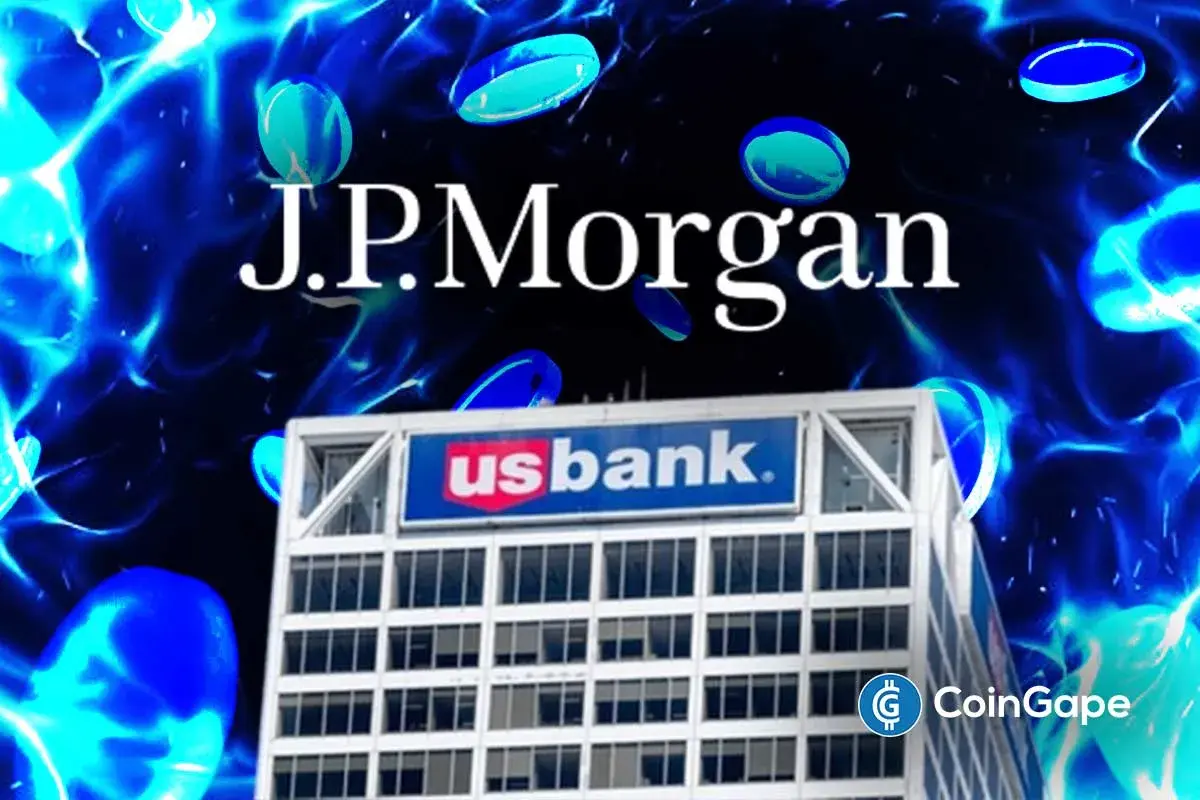
Recently, JPMorgan made headlines by freezing accounts connected to two venture-backed stablecoin startups in Venezuela: BlindPay and Kontigo. This decision comes amidst a backdrop of existing compliance issues in Latin America, raising questions about the implications for these companies and the broader landscape of stablecoins in the region. In this article, we will explore the reasons behind the bank’s actions, the response from the startups involved, and the evolving regulatory environment surrounding stablecoins.
Concerns Over Compliance and Regulatory Risks
The decision to freeze accounts linked to BlindPay and Kontigo has been attributed to concerns over compliance with financial regulations and sanctions. As reported by The Information, these companies have been operating in areas categorized as high-risk, leading JPMorgan to take immediate action. The accounts in question were accessed through Checkbook, a digital payments provider that collaborates with major banks. The sudden influx of users attracted by these startups raised red flags in JPMorgan’s risk systems, prompting the bank to halt activity. While JPMorgan clarified that the freeze is not a judgment against stablecoins as a business, it highlights the intense scrutiny financial institutions face when dealing with emerging technology in high-risk regions.
The Impact of Chargebacks on Financial Institutions
According to PJ Gupta, the CEO of Checkbook, one key factor leading to JPMorgan’s account freeze was a surge in chargebacks associated with BlindPay and Kontigo. After these startups expanded their online customer base, the increase in disputed transactions drew attention to the potential risks involved. Gupta explained that this influx of chargebacks opened the "floodgates," ultimately raising concerns within JPMorgan’s risk management protocols. Chargebacks can signify fraudulent activities or disputes, making them a critical factor for banks when evaluating the stability and compliance of associated businesses.
The Defense from Kontigo and BlindPay
In light of the account freeze, Jesus Castillo, co-founder of Kontigo, has publicly refuted the allegations against his company. Castillo stated that Kontigo has not engaged in any activities related to the transfer of funds from Venezuela to other countries without identity verification. This defense underscores the challenges these startups encounter, as accusations can significantly impact their credibility and operations. Furthermore, Castillo’s assertions reflect a growing tension between traditional banking institutions and innovative financial technologies. As startups work to build trust in a highly regulated environment, they must simultaneously navigate the complexities of compliance and customer verification.
Monitoring Crypto Movement in Sanctioned Areas
Another contributing factor to JPMorgan’s action is the heightened scrutiny of cryptocurrency movements associated with sanctioned regions. In 2024, warnings emerged about Venezuelan authorities likely utilizing crypto as a means to bypass financial sanctions. Given the country’s ongoing economic challenges and existing international restrictions, the use of stablecoins as a method of transaction may become increasingly prevalent. This could exacerbate the risks involved for financial institutions dealing with companies operating in Venezuela, leading to more stringent risk assessments and compliance measures.
The Future of Stablecoins and Regulatory Frameworks
Despite the challenges stemming from recent developments, momentum for stablecoins is building as we approach 2026. The U.S. Federal Deposit Insurance Corporation (FDIC) has proposed an approval framework for stablecoins under the GENIUS Act, which outlines how U.S. banks might offer regulated payment stablecoins through their subsidiaries. This initiative aims to level the playing field between banks and crypto-based competitors under federal regulations, paving the way for increased stability and consumer trust in stablecoin transactions.
Major Institutions Join the Stablecoin Trend
Internationally, significant financial institutions are also making strides toward launching their own stablecoins. For example, Sony Bank is actively working to introduce a stablecoin pegged to the U.S. dollar by 2026, while Western Union plans to unveil a U.S. Dollar Payment Token on the Anchorage Digital Bank platform in early 2026. Such developments further indicate a growing acceptance of stablecoins in the global financial landscape, and as regulatory frameworks continue to evolve, it is likely that stability and safety will be prioritized for both consumers and financial institutions.
In conclusion, the freezing of accounts linked to Venezuelan stablecoin startups by JPMorgan reflects a complex interplay of regulatory concerns, financial risks, and the burgeoning landscape of digital currencies. As institutions become more vigilant about compliance issues, startups must adapt to maintain credibility. As we move toward a future where stablecoins gain traction, the evolution of regulatory frameworks could ultimately shape the landscape for both traditional banking and innovative financial technology.