


JPMorgan CEO Jamie Dimon Warns of Geopolitical Tensions and Financial Risks
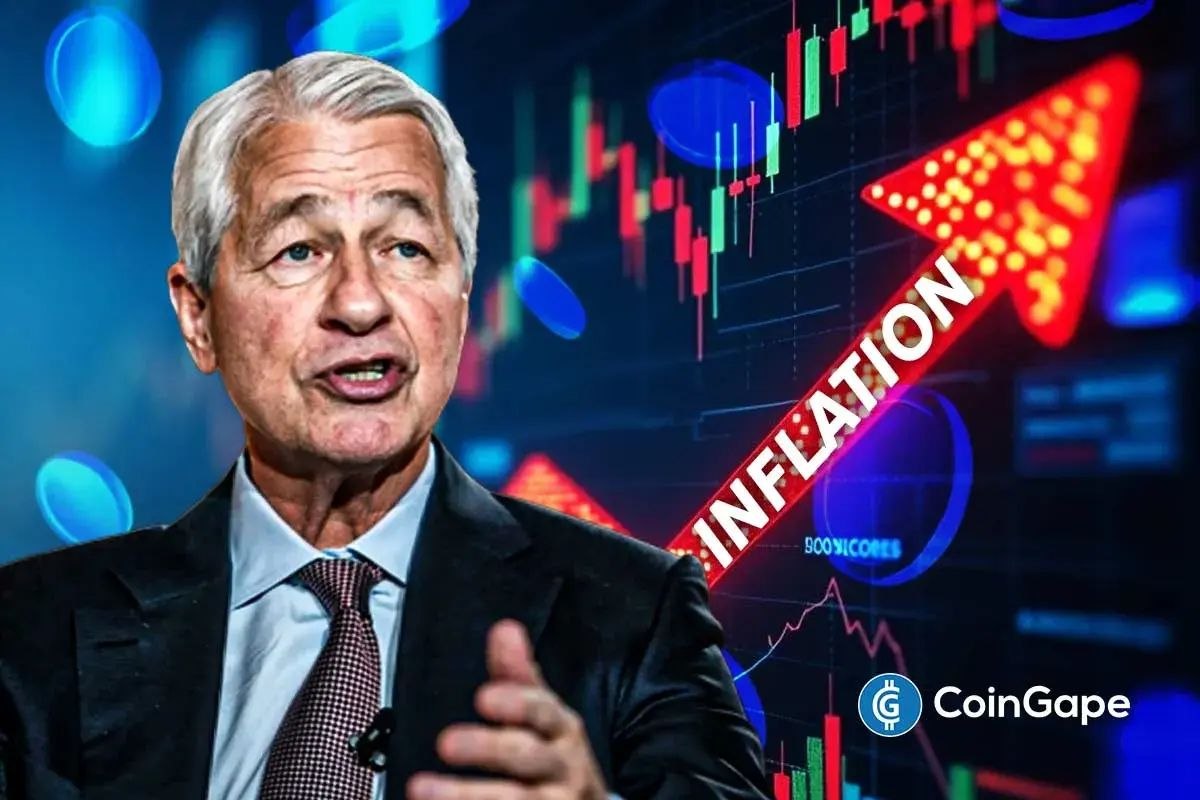
In a recent shareholder letter, Jamie Dimon, the CEO of JPMorgan Chase, expressed concerns about the escalating geopolitical tensions and financial risks impacting the U.S. economy. While he acknowledged signs of resilience among consumers and businesses, he highlighted the combination of war-related shocks, inflation risks, and deteriorating credit conditions that could quickly shift the economic landscape. Dimon emphasized that while the economy may adapt to pressures, there is a limit to this adaptability, suggesting the potential for a significant peak in various pressures.
Geopolitical Influences and Inflationary Concerns
Dimon pointed to the ongoing conflicts in regions like Iran as critical sources of uncertainty, particularly highlighting potential disruptions in the Strait of Hormuz. Such disruptions could lead to significant oil and commodity price fluctuations, potentially upending global supply chains. He expressed concern that these conditions might prolong inflation and result in higher interest rates than what markets currently anticipate, with inflationary patterns possibly emerging as early as 2026. This aligns with recent commentary from Federal Reserve Chairman Jerome Powell regarding persistent inflation risks despite apparent economic resilience.
Historical Context and Oil Price Dynamics
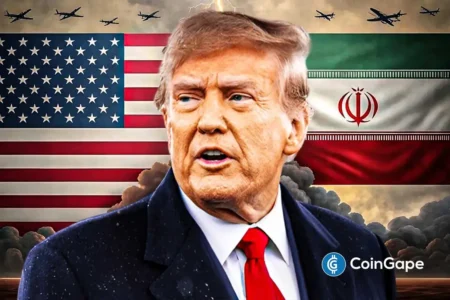
Drawing from historical examples, Dimon noted that rising oil prices and inflation have previously contributed to economic downturns, specifically referencing recessions in 1974 and 1982. Recently, energy markets have shown sensitivity to supply concerns related to the Middle East conflicts, which have heightened volatility. The situation is compounded by U.S. President Donald Trump’s warnings of potential military action against Iran, particularly concerning the rapidly approaching deadline to resolve tensions surrounding the Strait of Hormuz. Although diplomatic efforts continue, there is skepticism about reaching a short-term ceasefire, with current market expectations for resolution remaining low.
Prospects for Ceasefire and Market Reactions
Market projections regarding a ceasefire appear bleak at the moment, with Polymarket data indicating only a 4% chance of a deal by early April. However, expectations improve incrementally over time, rising to 18% by mid-April and reaching approximately 75% by year-end. This fluid situation underscores the uncertainty that continues to loom over both geopolitical developments and economic forecasts, with the potential for sudden shifts in the market based on new information or policy changes.
Credit Risks and Comparisons to the 2008 Financial Crisis
In addition to geopolitical factors, Dimon raised alarms about the fragility of credit markets, particularly private equity investments. He noted that an uptick in redemption requests is reminiscent of conditions leading to the 2008 financial crisis. Dimon indicated that losses in leveraged lending could surpass expectations due to deteriorating credit standards, resulting in firms like Blackrock and Morgan Stanley imposing restrictions on withdrawals.
Moreover, the anticipated Federal Reserve rate cuts have waned due to strong job data and rising oil prices, creating a challenging environment for economic stability as these factors are interconnected with ongoing conflicts.
Conclusion: Navigating Economic Uncertainty
As the U.S. economy faces a myriad of pressures from geopolitical strife and financial risks, the insights from Jamie Dimon provide a stark reminder of the delicate balance that policymakers must navigate. Investors and businesses must remain vigilant, as the potential for shifts in inflation, interest rates, and credit conditions could have far-reaching implications. Both the ongoing tensions in regions like Iran and the fragility of financial markets underscore the importance of strategic planning and risk management in uncertain times. As we look toward the future, proactive measures and keen awareness of market dynamics will be vital for weathering potential storms ahead.