


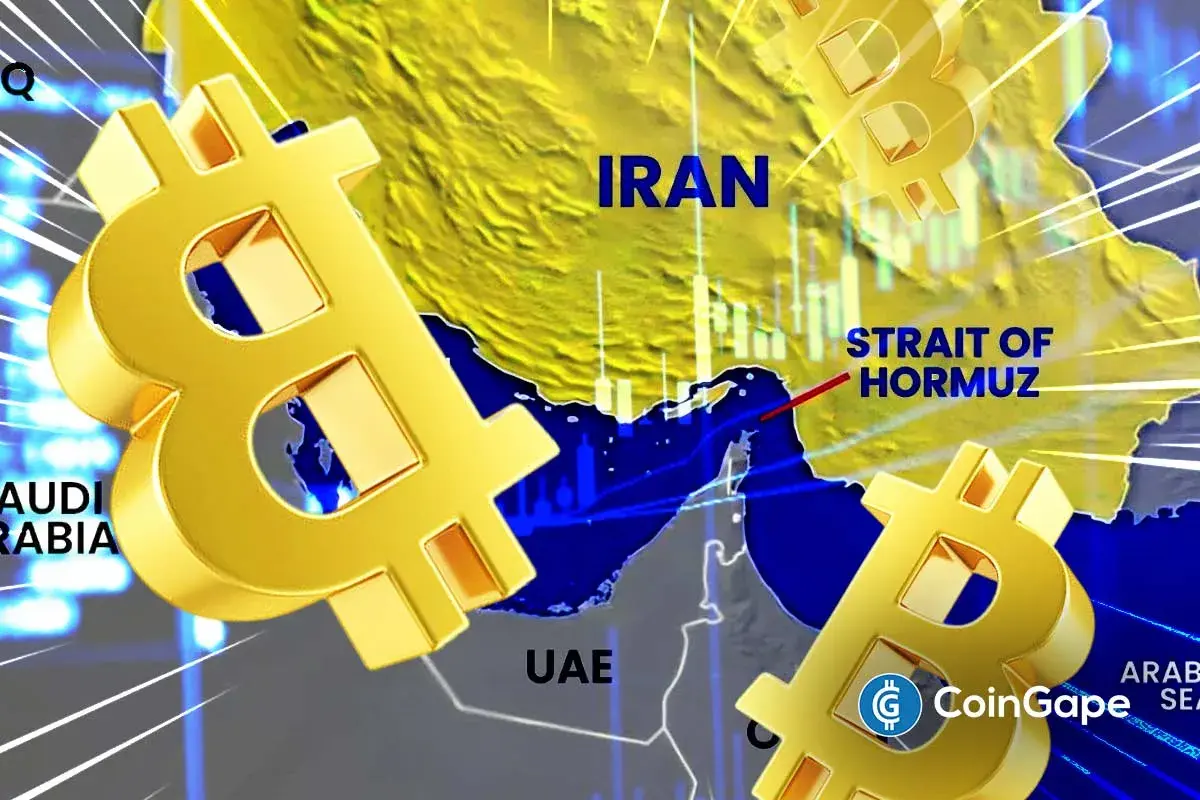
Iran Reopens the Strait of Hormuz: Implications for Global Trade and Bitcoin
Iran has made a significant announcement regarding the reopening of the Strait of Hormuz, a crucial maritime lane for global commerce. Following a 10-day ceasefire agreement between Israel and Lebanon, the Strait will be fully accessible to commercial vessels. This move significantly marks a step towards consolidating the ceasefire between the United States and Iran, further emphasizing Iran’s commitment to maintaining stability in the region. Consequently, the announcement has had positive repercussions on financial markets, particularly with Bitcoin experiencing a notable surge in value.
Iran’s Announcement and Its Impact
In an official statement via social media platform X, Iran’s Foreign Minister Abbas Araghchi confirmed that commercial vessels can now traverse the Strait of Hormuz freely. This reopening will remain effective until the expiration of the U.S.-Iran ceasefire on April 22. The Iranian Ports and Maritime Organization has already outlined the designated routes that vessels can follow, ensuring a structured and secure passage. This strategic decision not only facilitates the movement of goods but also reaffirms Iran’s role as a key player in maritime trade in the region.
Bitcoin’s Surge: A Direct Response
Following Iran’s announcement, Bitcoin experienced a remarkable rally, breaking the psychological barrier of $76,000. As of the latest trading data, Bitcoin surged above $76,600, reflecting an increase of over 2%. This significant rise represents the highest price for Bitcoin since February. The correlation between geopolitical stability and market performance is evident, as traders and investors tend to respond positively to developments that suggest peace and security. The reopening of the Strait of Hormuz plays a crucial role in fostering a more stable economic environment, encouraging continued investment in cryptocurrencies.
Ceasefire Dynamics and Their Broader Implications
The reopening of the Strait of Hormuz aligns with the broader context of the Israel-Lebanon ceasefire, which has enormous geopolitical implications. Iran has long maintained that Lebanon was integral to its ceasefire discussions with the United States. By reaffirming this interconnection, Iran paves the way for potential negotiations that could lead to a more stable relationship with the U.S. and its allies. A peaceful resolution in this region not only enhances trade possibilities but also contributes to the stability of oil prices and global commodities, significantly impacting the financial ecosystem.
The U.S. Perspective: Optimism from the White House
In light of Iran’s announcement, U.S. President Donald Trump expressed positive sentiments on social media platform Truth Social, highlighting the complete reopening of the Strait of Hormuz for full passage. His comments reflect an optimistic outlook concerning the resolution of conflicts involving Iran. For the U.S. administration, a stabilized Middle East could mean an opportunity to promote economic interests while fostering commercial exchanges, crucial for their domestic market and foreign relations.
Broader Market Implications
The reopening of the Strait of Hormuz has significant implications beyond Bitcoin. A secure passage for commercial vessels impacts global trade, affecting oil prices and the supply chain. This strategic maritime route is critical for oil exports, and any disruption can lead to fluctuations in global energy markets. As a result, improved relations in the region could stabilize oil prices, providing a buffer for economies reliant on crude oil while encouraging investments in alternative assets like cryptocurrencies.
Conclusion: A New Chapter for Trade and Investment
Iran’s announcement to open the Strait of Hormuz comes at a pivotal time. The interplay between geopolitical stability and market dynamics is undeniable. With Bitcoin rallying in response, investors are likely to keep a close eye on these developments. The sustained reopening will not only facilitate global trade but also create a more favorable environment for investments in both traditional markets and digital currencies. As peace efforts continue and relationships evolve, we may see further fluctuations in market conditions driven by geopolitical events, illustrating the interconnected nature of international relations and global finance.