



U.S.-Iran Negotiations: The Road to Resolution or Additional Conflict?
In recent developments regarding the U.S.-Iran conflict, significant doubts have emerged about the feasibility of negotiations aimed at resolving the ongoing tensions between the two nations. Iranian Parliament Speaker MB Ghalibaf has characterized current negotiation efforts as “unreasonable,” citing alleged violations of their previous agreements by the U.S. These sentiments highlight a growing apprehension that longstanding hostilities may be rekindled unless both parties can find common ground.
The Allegations of Violations
Ghalibaf’s statement, shared on the social media platform X, indicated that negotiations on a bilateral ceasefire appear to be futile given the United States’ alleged infractions of multiple clauses outlined in the previously established framework. In a recent two-week ceasefire agreement, which was supposed to serve as a temporary pause for dialogue, Ghalibaf pinpointed three specific violations that he claims undermine the credibility of the negotiations.
First, the ongoing Israeli strikes on Lebanon—aimed at Hezbollah forces—contradict the ceasefire stipulations that were supposed to cover the country. Iran has signaled that if these attacks persist, it may withdraw its support from the ceasefire, potentially reigniting hostilities.
Intrusive Actions and Enrichment Rights
The second alleged violation involves the entry of an intruding drone into Iranian airspace, which Iran views as a blatant breach of an agreed-upon clause prohibiting aerial intrusions. This incident further inflates the already tense atmosphere surrounding the negotiations. The third critical point of contention concerns Iran’s right to uranium enrichment, a topic that has long been a sticking point in discussions between the two nations.
Ghalibaf emphasized that the basis for fruitful negotiations has been largely undermined even before talks can commence. He directly responded to U.S. President Donald Trump’s description of the 10-point plan as a "workable basis," expressing skepticism about its practicality given the current climate of mistrust.
Iran’s Stance on U.S. Commitments
Iranian Foreign Minister Abbas Araghchi reinforced the notion that the U.S. must navigate a crucial choice between solidifying the ceasefire or facing continued conflict, particularly through the actions of Israel. He stressed that international scrutiny is directed towards the U.S. and its commitment to uphold its end of the agreement, indicating that the pressure may shift the course of dialogue.
According to Araghchi, the global community is watching the situation unfold, emphasizing the significance of U.S. actions in the coming days. The complexities associated with these negotiations underscore the precarious balance of power in the region and the challenges faced in achieving lasting peace.
U.S. Delegation for Islamabad Talks
In response to the evolving situation, the United States has appointed its delegation for the anticipated discussions in Islamabad. White House Press Secretary Karoline Leavitt announced that Vice President J.D. Vance will lead the American delegation. Joining him will be notable figures such as U.S. Envoys Steve Witkoff and Jared Kushner, who have considerable experience in dealing with international negotiations.
The initial round of dialogue is scheduled for Saturday, April 11. However, skepticism looms over the ability of the parties to reach a meaningful agreement, given the pre-existing tensions and accusations of non-compliance. The ongoing hostilities may complicate or derail these negotiations, positioning both governments in a precarious state.
Implications for Cryptocurrency and Financial Markets
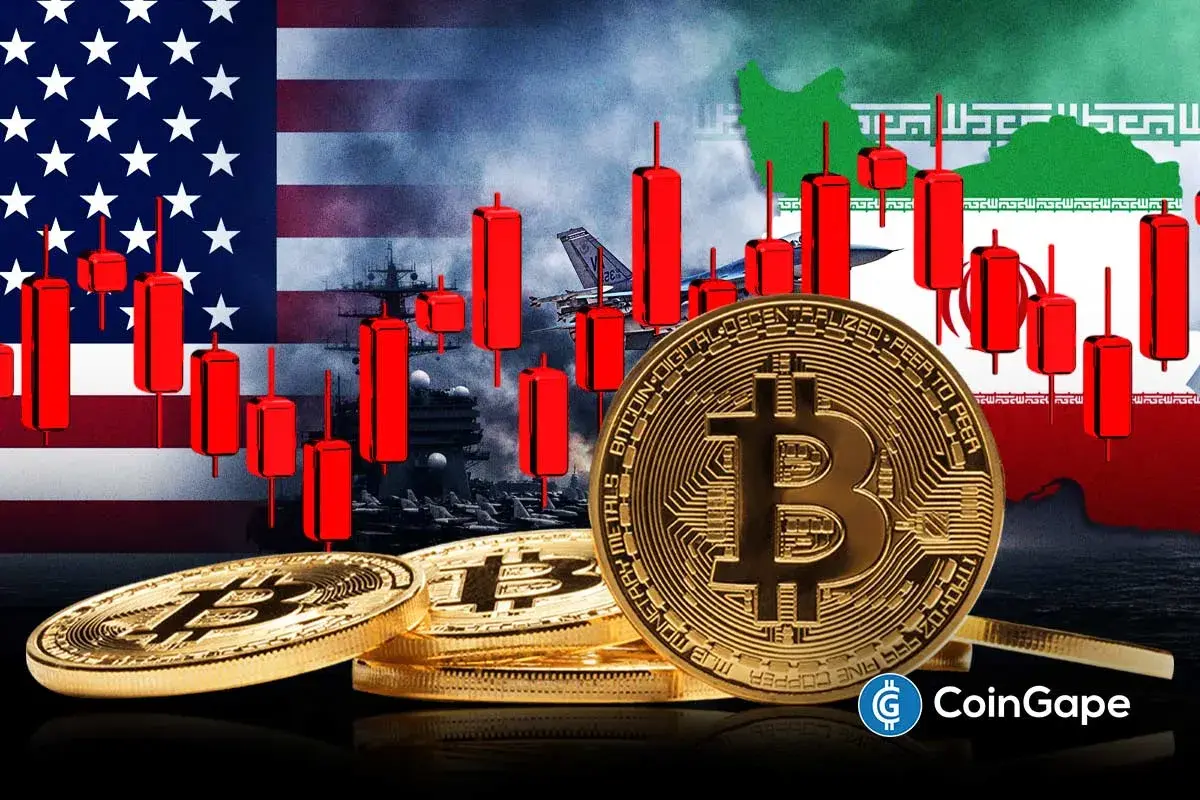
Notably, the uncertainty surrounding the U.S.-Iran conflict has had repercussions in the cryptocurrency arena. Following the announcement of the ceasefire, Bitcoin prices initially surged; however, as tensions have escalated and concerns over the negotiations became more pronounced, Bitcoin has seen a retraction in value. Current trading data shows BTC hovering around $71,200, reflecting market anxieties over the potential for resumed conflict.
Despite the volatile landscape, traders remain cautiously optimistic that the ceasefire will hold and that meaningful discussions aimed at fully resolving the U.S.-Iran war will proceed. Future predictions indicate a 41% chance that the ceasefire may be scrapped by April 21, adding urgency to the importance of these negotiations.
The Future of U.S.-Iran Relations
As the negotiations loom, the ability of both nations to uphold their commitments will be under scrutiny. The allegations of violations and the subsequent mistrust pose significant hurdles on the path toward establishing a sustainable peace framework. In this volatile context, both Iran and the U.S. face the challenge of navigating a complex geopolitical landscape while meeting the expectations of their respective stakeholders.
In conclusion, the outcome of the negotiations is critical not only for U.S.-Iran relations but also for regional stability and broader international concerns. How both parties choose to respond to these allegations will play a pivotal role in shaping the direction of future dialogues and determining the possibility of a more peaceful coexistence. The world is watching closely as this situation continues to unfold, underscoring the significance of diplomacy in curtailing potential escalations.