



The Ongoing Tensions in the Strait of Hormuz: A Reflection on U.S.-Iran Relations
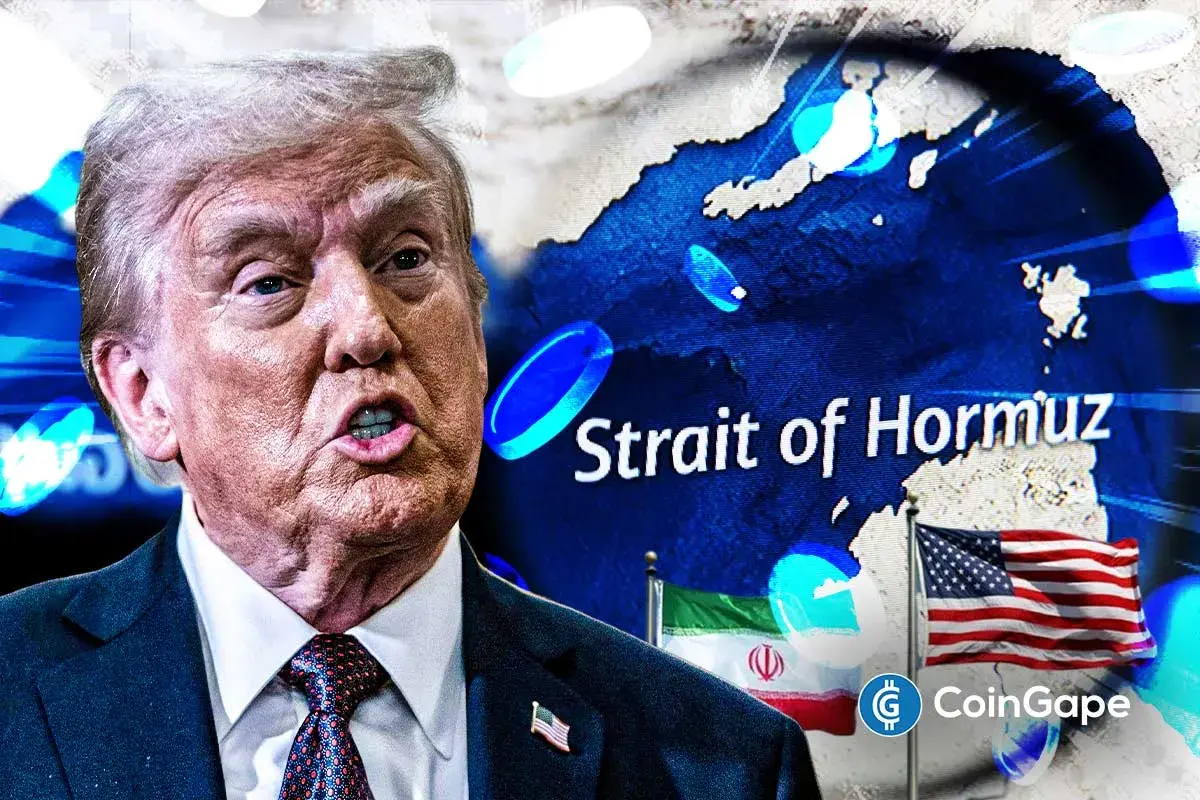
As the U.S.-Iran conflict approaches its one-month mark, recent declarations from Iran emphasize that the Strait of Hormuz remains closed to international maritime traffic. This strategic waterway, critical for global oil shipments, has been the focal point of heightened tensions, particularly following a series of contentious maneuvers between Iran and the United States. The Iranian Revolutionary Guard Corps (IRGC) has warned that any attempts to transit through the Strait will meet severe consequences, escalating fears of further military confrontation in the region.
Iran’s declaration follows a perplexing statement made by U.S. President Donald Trump, who indicated that he would temporarily halt planned strikes on Iranian energy infrastructure at Iran’s request. This pause is purportedly linked to a goodwill gesture, signaling Iran’s willingness to open avenues for peace negotiations. Trump’s assertion, however, stands in stark contrast to Iran’s firm denial of ongoing discussions. Such conflicting narratives point to a convoluted diplomatic landscape, raising questions about the sincerity of both sides in seeking resolution.
During a recent Cabinet meeting, Trump claimed that Iran had facilitated the passage of ten oil tankers through the Strait as a sign of their commitment to dialogue. Nevertheless, the IRGC swiftly countered this claim by asserting their authority over the Strait, indicating that they had turned back three foreign vessels trying to navigate through it. These actions signal that Iran is keen to assert control over its waters while maintaining a hardened stance in the face of U.S. military pressure.
Despite the ongoing war rhetoric, peace talks continue to be met with skepticism. Trump recently took to social media to emphasize that negotiations are proceeding favorably, even as he expressed doubts regarding the likelihood of an actual peace deal materializing. Mediators involved in U.S.-Iran relations have refuted Trump’s claims, revealing that Iran did not request a cessation of military actions. This signifies a serious disconnect in the messaging from both American and Iranian officials, creating further confusion about the prospects for peace.
The impact of this geopolitical crisis extends beyond national borders, notably affecting financial markets. The crypto sector has seen renewed pressure in light of the U.S.-Iran conflict, with total market capitalization dropping by over 3% as uncertainty mounts. Bitcoin, a barometer for the wider cryptocurrency market, fell sharply, reflecting a downturn in trader confidence. The plummeting prices signal the broader economic ramifications created by geopolitical struggles, as investors recalibrate their risk assessments in turbulent times.
In light of the ongoing U.S.-Iran tensions, market analysts forecast that the conflict may persist for an extended period. Current sentiment suggests a mere 39% probability of a ceasefire occurring by the end of April, further driving volatility in risk assets. As traders navigate these uncertain waters, the prospect of prolonged conflict in the region continues to loom large, impacting not just the energy market but also the global economy at large.
In summary, the situation around the Strait of Hormuz underscores a complex interplay of military posturing and diplomatic uncertainty between the U.S. and Iran. As both nations grapple with conflicting narratives regarding peace talks, the consequences of this standoff reverberate throughout global markets, particularly in the cryptocurrency sphere. The heightened distrust and ongoing volatility indicate that a long-term resolution remains elusive, keeping the Strait of Hormuz, and by extension, global trade, firmly in the crosshairs of international scrutiny. With both parties seemingly unwilling to soften their stances, the international community watches closely, hoping for a de-escalation that currently seems far from reach.