


Title: Iran’s New Supreme Leader Declares Strait of Hormuz Closed: Impacts on Oil Prices and Global Market Dynamics
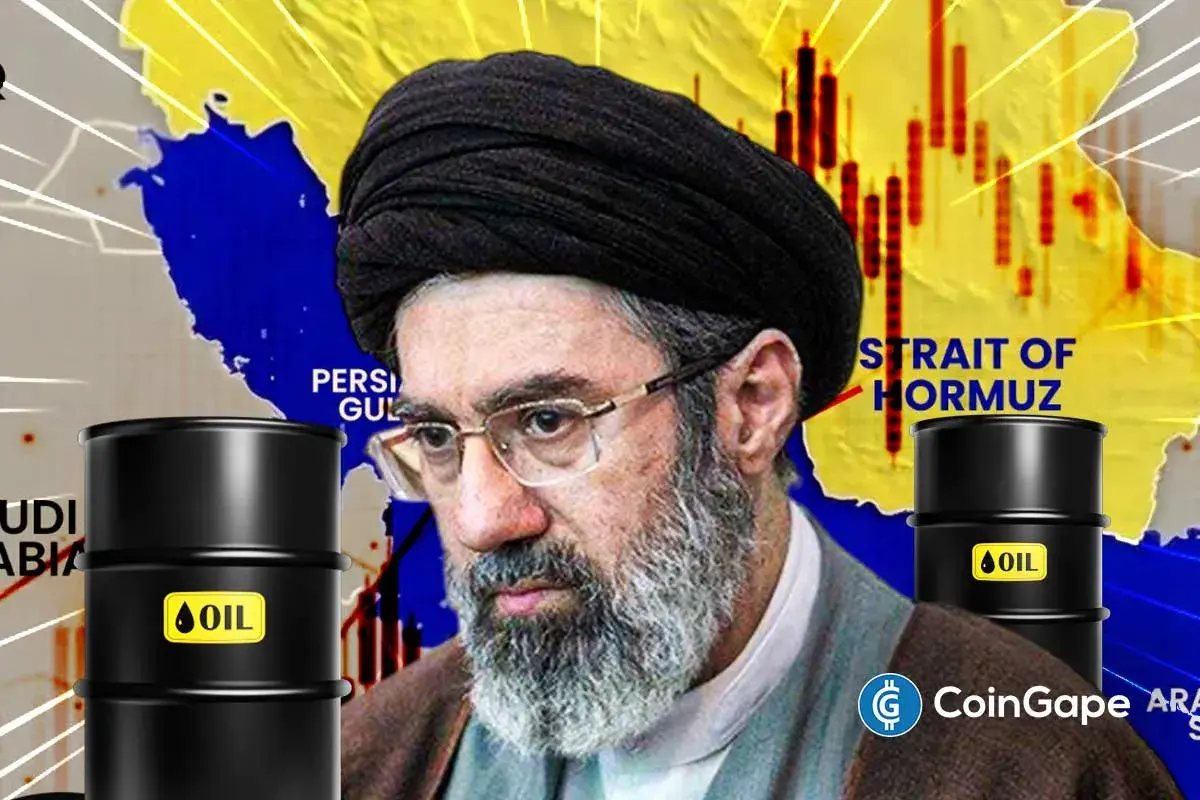
The geopolitical landscape has shifted significantly with the first statement from Iran’s new Supreme Leader, Mojtaba Khamenei, marking the beginning of a tense era. In a bold declaration broadcasted on Iranian state television, Khamenei announced that the strategic Strait of Hormuz, a vital passage for global oil shipments, will remain closed. This proclamation has spurred an immediate jump in oil prices, with Brent Crude soaring to an intraday high of $100, reflecting market anxiety regarding potential supply disruptions. As Khamenei emphasized the need to close the Strait as a means to apply pressure on adversaries, market reactions have sent shockwaves through the global economy.
Geopolitical Implications of Khamenei’s Statement
Khamenei’s insistence on keeping the Strait of Hormuz closed signifies a readiness to escalate ongoing tensions with the U.S. and Israel. The unwavering commitment to avenging the “blood of the martyrs” coupled with threats to target U.S. military bases in the region indicates a potential ratcheting up of military confrontations. With approximately 20% of the world’s oil supply traversing this critical chokepoint, its closure poses monumental challenges not just for oil-consuming nations but also for the stability of the entire energy market. As prices reached unprecedented levels, it seems likely that this direct confrontation with Western powers may lead to increased volatility in the oil markets.
Market Response: Oil Prices Surge Amidst Supply Fears
Following Khamenei’s announcement, oil price futures surged across the board. Brent Crude jumped to $100, while U.S. West Texas Intermediate (WTI) futures reached $95, both recording significant daily gains. In response to the heightened oil prices, the International Energy Agency (IEA) has decided to release 400 million barrels of oil to ease the impending supply shock; however, cautious market sentiment suggests that this measure may prove insufficient. Analysts warn of potential scenarios wherein oil could soar to as high as $160 per barrel if the situation persists, further straining an already tenuous global economic climate.
Trump’s Stance: Focusing on Broader Concerns
Amid rising oil prices, former President Donald Trump has taken to Truth Social to prioritize the prevention of Iran obtaining nuclear weapons above concerns regarding the economic ramifications of rising oil prices. Citing the U.S.’s position as the world’s top oil producer, he framed the narrative that economic profit should not overshadow the security threats posed by a nuclear-capable Iran. Trump’s statements highlight a broader discourse among U.S. policymakers about balancing energy security and national security, as tensions continue to escalate.
Strained U.S.-Iran Relations: A Long-standing Conflict
The path forward appears fraught with challenges as Khamenei’s hardline stance on the Strait of Hormuz has starkly increased the likelihood of sustained U.S.-Iran tensions. Predictions now indicate a 70% chance that conflict between these two nations may extend into the coming months. This escalated situation not only elevates risks in the oil market but may exacerbate inflationary pressures across various sectors, further complicating an already delicate economic landscape. Analysts are watching closely as the outcome of this evolving geopolitical crisis could have far-reaching repercussions on global inflation and economic health.
Broader Economic Effects: Impact on Cryptocurrency Markets
The rise in oil prices and the inflationary wave accompanying geopolitical instability have implications beyond traditional commodities—they are also affecting the cryptocurrency landscape. Bitcoin, widely considered a hedge against inflation, experienced a sharp decline, dropping below $70,000 following Khamenei’s announcement. The digital currency is currently hovering around $69,500, suggesting that investor sentiment is delicately intertwined with geopolitical developments and global economic factors. As the situation continues to evolve, market participants must navigate these new challenges amidst heightened volatility across asset classes.
In conclusion, the declaration from Iran’s new Supreme Leader to keep the Strait of Hormuz closed sheds light on critical geopolitical tensions and their immediate economic impacts. As oil prices spike and relations between the U.S. and Iran continue to deteriorate, the global economy will need to brace for the repercussions of this ongoing crisis. With various factors at play—including supply fears, military threats, and market reactions—stakeholders remain vigilant in monitoring these complex, interrelated dynamics that could shape the future landscape of energy markets and beyond.