



How to Buy Bitcoin Anonymously in 2025: A Comprehensive Guide
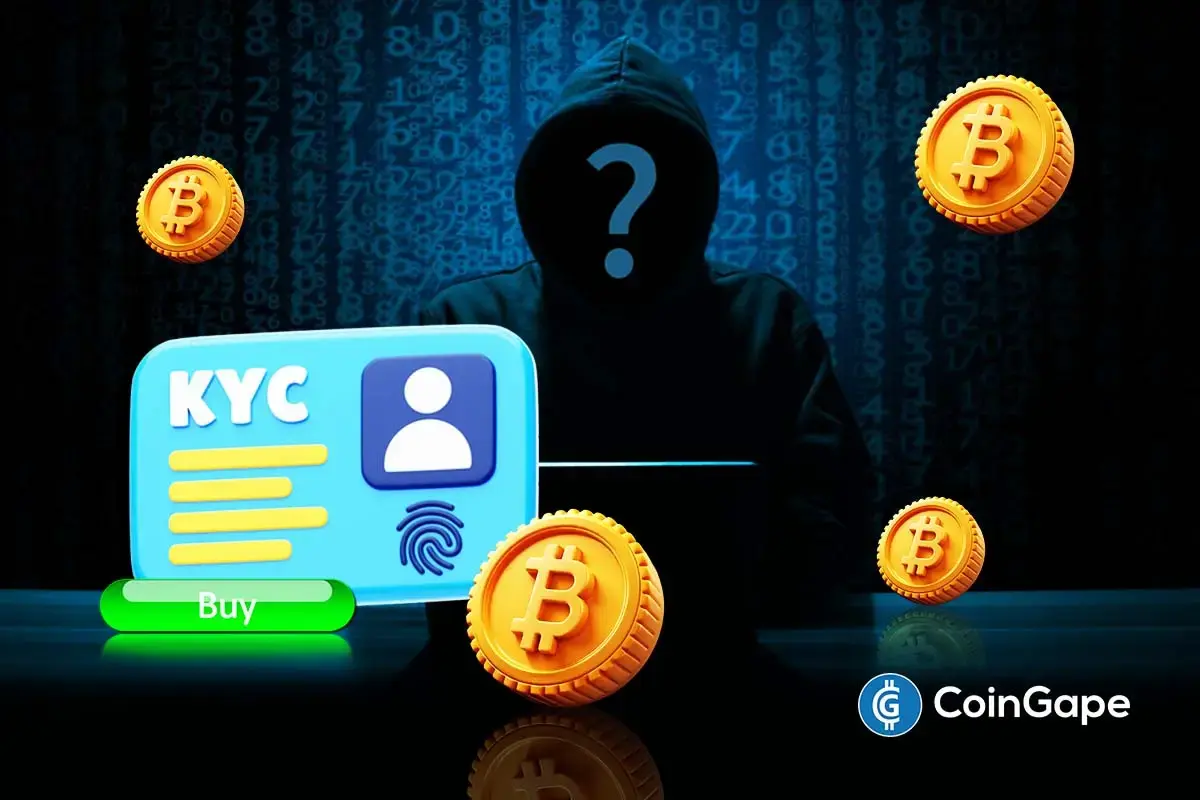
In a world where privacy is increasingly compromised, purchasing Bitcoin anonymously without the cumbersome requirements of KYC (Know Your Customer) protocols becomes a paramount concern for many individuals. Understanding that personal data is incredibly valuable in 2025, most individuals prefer to avoid uploading sensitive documents to centralized platforms. This guide explains effective ways to buy Bitcoin anonymously in 2025, the importance of privacy, and what to be cautious about.
Why Privacy Matters When Buying Bitcoin
Bitcoin is often touted as a means of achieving anonymity, but the reality is that it operates on a pseudonymous basis. While wallet addresses aren’t directly tied to names, every transaction is recorded permanently on the blockchain. Once a single address gets linked to your identity, the anonymity vanishes. With strict regulations in place across significant markets in 2025, many individuals prioritize privacy to safeguard their financial activities. This is especially crucial for those living in countries with poor data protection or unstable banking systems, where personal financial histories can be compromised.
Importantly, privacy does not imply immunity from tracking. Despite efforts to remain anonymous, certain factors like IP addresses or transaction timings may expose your identity. While purchasing Bitcoin anonymously is legal in many regions, it’s essential to adhere to local regulations, particularly when handling large amounts.
Practical Ways to Buy Bitcoin Anonymously
1. Peer-to-Peer Platforms
One of the most practical and accessible ways to purchase Bitcoin without KYC is through peer-to-peer (P2P) platforms. These platforms connect buyers and sellers directly, allowing transactions to be executed without intermediaries. Noteworthy examples include Bisq and Hodl Hodl, known for their privacy-focused models. Bisq operates as a desktop application, utilizes Tor to anonymize traffic, and does not collect personal data. On the other hand, Hodl Hodl leverages multisig escrow for secure trades and offers support for the Lightning Network.
When engaging in P2P trading, it’s wise to start small, build a reputable profile, and follow safety protocols like transacting in public places or verifying wallet addresses. While these platforms have improved their security measures, exercising caution is always beneficial.
2. Bitcoin ATMs
If P2P platforms don’t suit your needs, Bitcoin ATMs (BTMs) provide another method for purchasing Bitcoin anonymously. These machines allow users to insert cash and receive Bitcoin directly in their wallets with minimal identification requirements, particularly for smaller transactions. Currently, there are about 39,000 BTMs globally, and many operators permit no-KYC purchases, subject to local limits.
Using a Bitcoin ATM is straightforward: simply scan your wallet’s QR code, insert cash, and confirm the transaction. However, be prepared for relatively high fees—typically ranging from 5% to over 10%. While convenient, using a BTM still creates transactional metadata, so choose privacy-focused wallets and avoid address reuse for optimal security.
3. No-KYC Exchanges
For individuals seeking a more versatile option than P2P trading while maintaining anonymity, no-KYC exchanges offer a middle ground. These platforms typically do not require identity verification but may impose withdrawal limits to comply with minimal regulatory requirements. Some prominent exchanges allow trading without KYC protocols up to certain thresholds, offering diverse asset options and features.
In addition, decentralized exchanges (DEX) such as Uniswap and dYdX require nothing more than a wallet connection for trading. Users can fund their wallets through P2P transactions or ATMs and trade without any personal data documentation, making this a practical choice for anonymity-minded investors.
4. Advanced Options: Swaps and Mining
For experienced users, decentralized swaps provide another privacy-centric route to buy Bitcoin without KYC intricacies. Services allow direct exchanges between cryptocurrencies without any accounts or identification needed. Another advanced method is mining, which entails using computer power to validate transactions and create new Bitcoins. Since mined Bitcoin originates from the blockchain rather than an exchange, it maintains a higher level of privacy.
However, mining requires a significant initial investment and technical expertise, making it less viable for casual investors.
Security Must Be a Priority
Regardless of the method chosen for purchasing Bitcoin, prioritizing security is non-negotiable. Privacy means little if your assets are at risk. To enhance security, consider these basic practices:
- Use non-custodial wallets, preferably hardware wallets such as the Ledger Nano.
- Avoid reusing wallet addresses and maintain diligence about keeping your private keys secure.
- Use additional security measures, such as enabling two-factor authentication.
- Refrain from using public Wi-Fi when conducting transactions.
Final Thoughts
Buying Bitcoin anonymously without KYC is achievable, albeit not as straightforward as in previous years. Each existing method entails trade-offs—whether they be higher fees, transaction limits, or added complexity. For many privacy advocates, these considerations are worthwhile in keeping sensitive personal data off centralized servers.
Peer-to-peer platforms and Bitcoin ATMs remain the top options for those prioritizing convenience along with anonymity. More experienced users can leverage no-KYC exchanges and decentralized tools to further reduce the risk of identity exposure. Ultimately, it’s about striking the right balance; total anonymity may not be achievable, but informed decisions can substantially minimize risk and enhance privacy.