



Tokenization of Assets: A Case Study on Securitize and Its Role in Transforming Finance
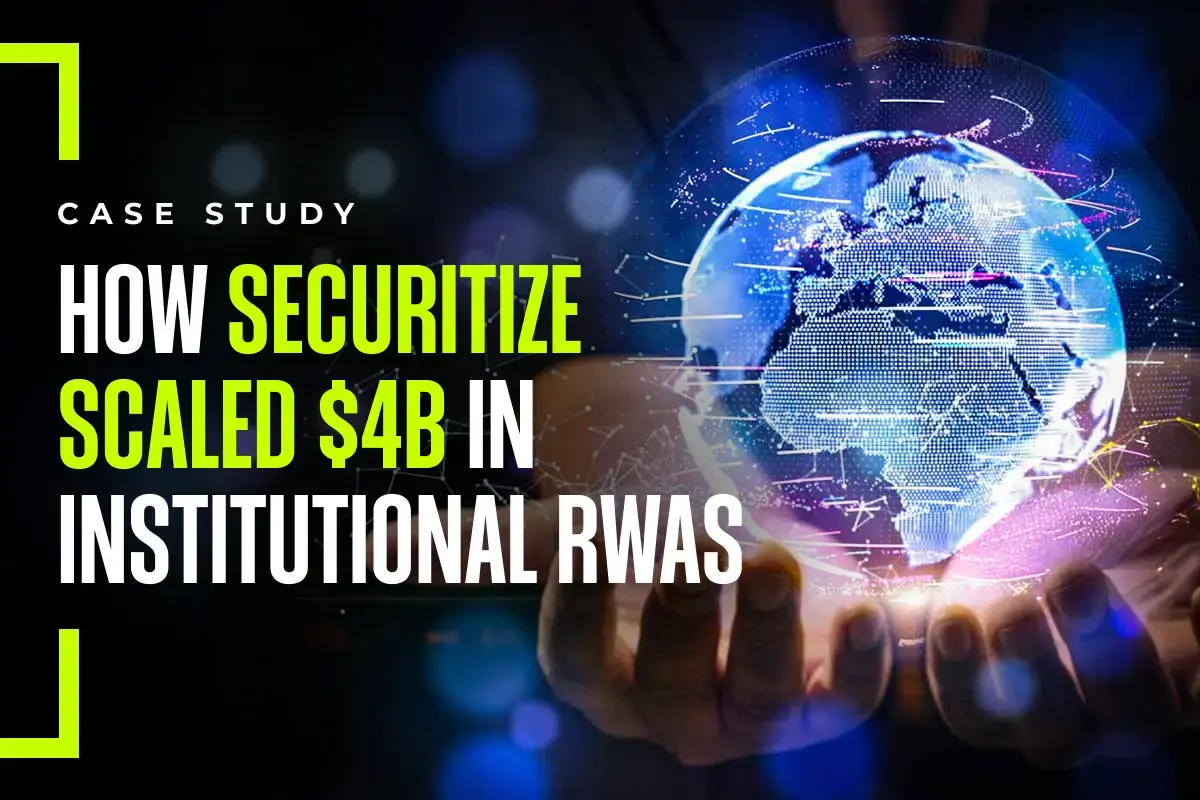
Tokenization has long been heralded as a game-changer for the financial sector, with the potential to enhance liquidity, accessibility, and efficiency in the marketplace. In 2025, industry leaders, including organizations such as the SEC and FCA, recognized its promise. However, despite numerous pilots and announcements, tangible progress has often been stunted. This scenario sets the stage for CoinGape Research’s case study on Securitize, an asset tokenization platform that has effectively built a reliable infrastructure to marry traditional finance with decentralized finance (DeFi). Securitize’s story highlights important lessons for emerging tokenization platforms aiming to make a lasting impact.
Securitize, led by Carlos Domingo, operates as a regulated exchange and issuance infrastructure for digital securities. The CoinGape Research case study reveals how Securitize has successfully captured institutional interest, moving beyond the speculative hype often associated with tokenization. The platform has seen a steady stream of institutional participation, particularly in low-risk assets, such as U.S. Treasury-backed products that account for 59% of its offerings. This focus on safer, more stable assets demonstrates that institutional players are slowly embracing the concept of tokenization as a legitimate means of investment.
One notable aspect of Securitize’s success is its revenue model. The platform has reported impressive financial growth, with revenues projected to reach $110 million in the near future. In its latest filings, Securitize revealed that it generated $55.6 million during the first nine months of 2025 alone. This financial success not only underscores the commercial viability of regulated tokenization platforms but also dismisses the notion that tokenization is merely an experimental phase. The focus here lies on structural supports underpinning the revenue generation capabilities, rather than disclosing every single revenue driver.
Regulatory challenges have historically been a significant concern for tokenization platforms, creating a sense of uncertainty in operational strategies. However, the Securitize case study flips this assumption on its head, suggesting that regulation is a facilitator rather than a hindrance. Regulatory clarity is essential for institutions seeking to operate in compliant frameworks. By aligning closely with existing securities laws, Securitize has emerged as a "regulation-first" tokenization platform. Operating within frameworks like FINRA in the U.S. and MiFID in the EU, Securitize has transformed compliance necessities into operational advantages. Rather than sidestepping the rules, the platform has been designed with these regulations ingrained from the ground up.
One of the critical findings of this case study emphasizes that institutional adoption will only gain traction when tokenization mimics traditional capital-market infrastructure instead of crypto markets. This entails embedding compliance mechanics at inception— including investor eligibility, transfer restrictions, reporting obligations, and record maintenance. Securitize’s model offers automatic ownership updates and expedited settlement processes, thanks to the streamlined nature of its design. As traditional markets modernize, private markets are facing renewed pressure to evolve in order to compete effectively.
Finally, the timing of this transformation cannot be understated. With private markets trending towards growth and diversification, the need for modernization is critical. As public markets continue to embrace automation, the risks of stagnation grow more apparent for private trading environments. Rather than positioning tokenization as a competition against traditional finance, the case suggests a more harmonious coexistence. By effectively utilizing compliant tokenization infrastructures, organizations can bolster traditional frameworks while simultaneously driving consistent revenue streams. This position allows for a sustained shift in operational modalities, making compliance and functionality a natural fit for asset tokenization.
To explore the full implications of these findings, readers can delve into the complete CoinGape Research case study. The analysis not only details the structural components facilitating this transition but also illustrates the actionable paths through which tokenization can enrich the future of finance. Tokenization is no longer just an abstract concept; it is proving its value through platforms like Securitize, ultimately paving the way for a more integrated financial landscape.
Why Choose CoinGape?
CoinGape has been at the forefront of cryptocurrency journalism since 2017, providing timely and accurate insights into the digital asset market. Our experienced journalists prioritize fact-checking and rely on reputable sources, ensuring quality content. We adhere to a strict editorial policy, bolstered by a comprehensive review methodology when evaluating blockchain projects and exchanges. Whether it’s the latest coin launches, industry developments, or regulatory changes, CoinGape remains committed to offering informative, balanced reporting.
Important Notice
This article reflects the author’s views and is based on current market conditions. Readers are encouraged to conduct their own research before making investment decisions in cryptocurrencies. CoinGape or the author do not bear responsibility for any resulting financial losses. Additionally, this site may contain sponsored content and affiliate links. All advertisements are clearly marked, and ad partners do not influence our editorial content.