



The Future of Digital Assets: Insights from Goldman Sachs CEO David Solomon
In a recent address at the World Liberty Forum, Goldman Sachs CEO David Solomon shed light on the evolving landscape of digital assets and the need for clear regulations in the crypto space. As debates in Congress about crypto oversight intensify, Solomon shared his personal perspectives on Bitcoin and the broader implications of digital currencies within the financial ecosystem. This commentary serves as a critical reflection on the intersection of traditional banking and cryptocurrency, emphasizing the importance of regulatory clarity for future engagement.
Solomon’s Personal Bitcoin Investment and Market Insights
During his remarks, Solomon revealed that he owns a small amount of Bitcoin, a fact disclosed in response to questions about his stance on the cryptocurrency. He described himself as an “observer” of Bitcoin, expressing an interest in how it has developed over time. This personal investment underscores a broader trend among financial leaders who are increasingly recognizing the relevance of digital assets in modern finance. Solomon asserts that digital currencies represent a significant structural change within financial markets, illustrating a shift from traditional paradigms towards more innovative solutions.
The Collaborative Future of Banks and Crypto Firms
Contrary to the notion that banks and cryptocurrencies are adversaries, Solomon emphasized the ongoing collaboration between these entities. He articulated that both banks and crypto firms operate within a single financial system, even amidst policy disagreements. As these sectors engage with one another, it becomes evident that their futures are intertwined. The significant barrier hindering banks from more extensive participation in digital assets is the current regulatory framework. Solomon asserts that legislative clarity is imperative for banking institutions to delve deeper into crypto applications.
The Stalled Industry Market Structure Legislation
The current state of legislative efforts in Congress has created a bottleneck for crypto’s regulatory framework. Solomon touched upon the stalled industry market structure bill, indicating that its passage could pave the way for more substantive engagement from financial institutions. He provocatively suggested that crypto firms uninterested in engaging with lawmakers should consider relocating to countries with more favorable regulations, like El Salvador. This commentary alludes to the urgency for legislative action, emphasizing that the path forward depends heavily on the resolution of regulatory concerns.
Goldman Sachs’ Expanding Crypto Exposure
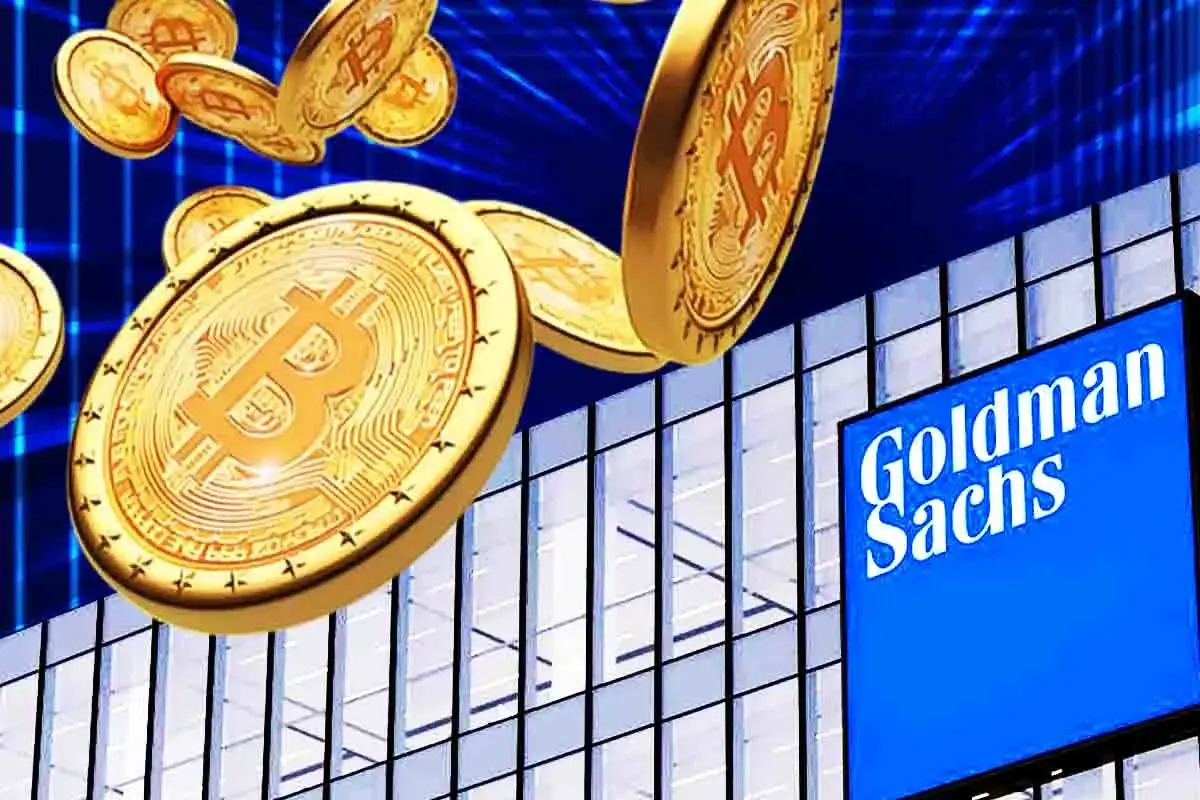
Goldman Sachs’ increased exposure to cryptocurrency is notable. In the fourth quarter of last year, the firm significantly escalated its holdings in exchange-traded products. The firm’s holding in BlackRock’s iShares Bitcoin Trust surpassed $1 billion by the end of 2025, accompanied by additional stakes in Solana and XRP exchange-traded funds totaling $260 million. Solomon hinted at the possibility of market-making in Bitcoin and Ethereum, contingent on favorable regulatory developments. His previous characterization of Bitcoin as an “interesting” speculative asset, indicates a cautious yet optimistic outlook on the future synergy between traditional finance and digital currencies.
Cannabis and Crypto Legislation Progress
Amidst these discussions, Coinbase CEO Brian Armstrong, alongside Senator Bernie Moreno, appeared in a CNBC interview to discuss ongoing legislative efforts. Armstrong conveyed optimism, suggesting that a “win-win” compromise could be achieved. He highlighted that recent conversations signal a possible resolution concerning crypto legislation, which he believes could benefit banks, consumers, and the overall crypto industry. His commitment to establishing the U.S. as the world’s crypto capital reiterates the urgency of aligning policy with innovation to ensure competitiveness.
The Role of Stablecoins in Shaping Industry Dynamics
Stablecoins emerged as a significant topic during this event, with discussions focusing on their role in building the U.S. crypto industry. Armstrong argued for the necessity of stablecoin rewards to foster industry growth, suggesting that banks’ partnerships with crypto firms are already materializing. Senator Moreno echoed this sentiment, asserting that competition for consumers is advantageous and should not be stifled by restrictive regulations. As the White House plans another discussion on this matter, the division between banks and crypto firms could potentially hinder progress unless a balanced approach is adopted.
Conclusion: Navigating the Future of Crypto Regulation
In summary, David Solomon’s insights reflect the growing significance of digital assets in the financial landscape. The interplay between bank regulations and cryptocurrency is at a critical juncture, with the potential for substantial growth looming on the horizon. As the U.S. grapples with the complexities of crypto oversight, the need for legislative clarity becomes increasingly essential for both banks and crypto firms to thrive. With leaders like Solomon and advocates like Armstrong paving the way, the future of digital assets looks promising — provided the regulatory environment adapts to accommodate this transformative shift in finance.