



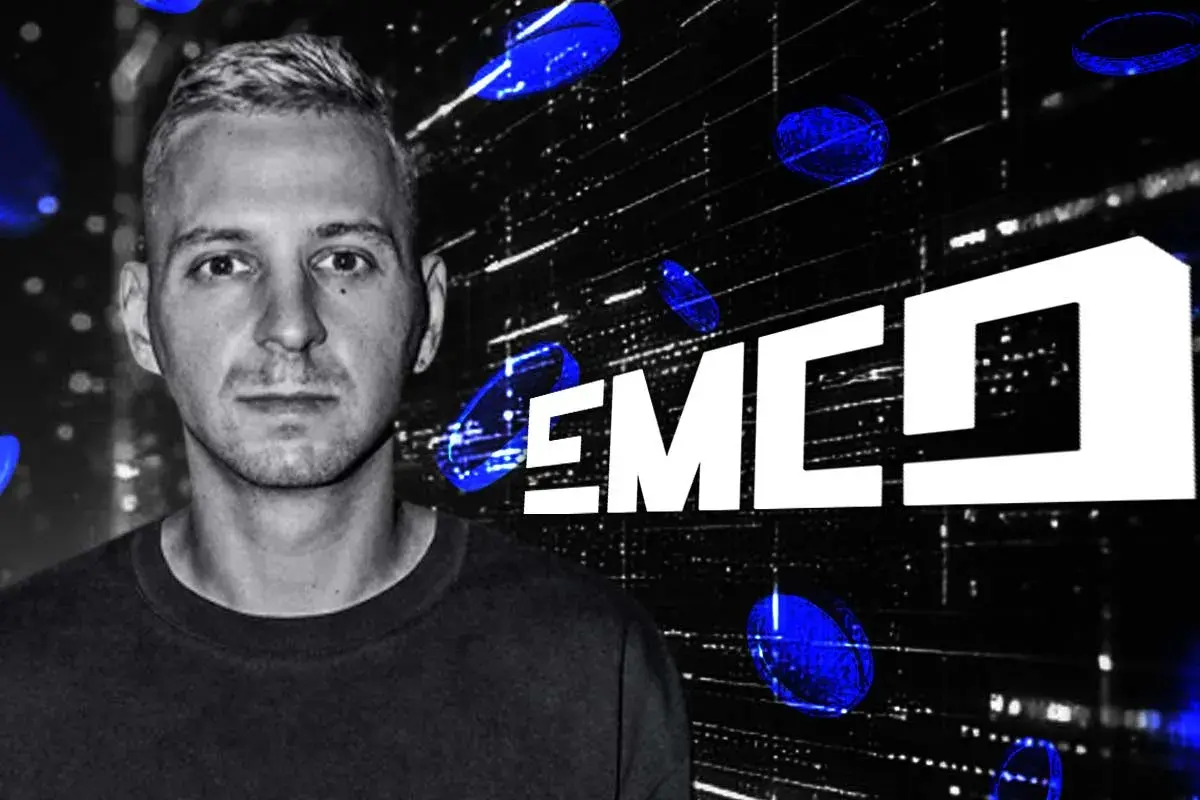

The Evolution of EMCD: A Beacon in the Cryptocurrency Mining Industry
The 2024 Bitcoin halving dramatically reshaped the landscape of cryptocurrency mining, forcing many hobbyist pools to adapt to new economic realities. Yet, EMCD, a mining pool founded in 2017, has emerged stronger than ever. By the end of 2025, miners associated with EMCD had collectively mined an impressive 4,550 Bitcoins (BTC), with the average hashrate reaching 34.11 EH/s. These remarkable figures tell a story of resilience, adaptability, and strategic foresight in an industry known for its volatility. To gain insights into the journey of this pioneering platform, we spoke with Michael Jerlis, the founder and CEO of EMCD, who provided a comprehensive overview of how the company transitioned from a modest mining pool into a formidable infrastructure provider.
A Focus on Stability in a Fragmented Industry
When EMCD launched in 2017, the cryptocurrency mining sector was highly fragmented and rife with challenges, particularly in user support. Many mining pools were primarily focused on rapid growth, prioritizing sheer hashrate accumulation over the sustainability of their operations. In stark contrast, EMCD adopted a more measured approach, emphasizing operational stability. This strategy wasn’t merely a trend; it was a calculated response to the industry’s pressing needs. Jerlis noted that while the decision slowed growth compared to competitors who accelerated thanks to speculative tokens, it cultivated a business built on trust and resilience. Instead of chasing fleeting trends, EMCD chose to provide miners with dependable connections, transparent payouts, and meaningful support, which, ultimately, turned out to be the bedrock of their long-term success.
Transitioning Beyond Mining
As the 2020s unfolded and EMCD reached significant scale, the quest for further growth led the team to consider expanding beyond the mining pool model. Observing that many miners were using their services to mine but then migrating to other platforms for asset management and trading solutions prompted Jerlis and his team to rethink their strategy. The decision to introduce new products like Coinhold, Wallet, and P2P services was spurred by user demand for streamlined, cohesive services. Rather than merely diversifying their offerings, the focus remained steadfast on enriching the user journey. By understanding that mining was just the entry point into a broader crypto finance ecosystem, EMCD positioned itself to support users in an integrated manner that meets contemporary market needs.
Building Trust Through Reliable Infrastructure
In the early stages of their expansion, EMCD relied heavily on word-of-mouth marketing, which proved effective for their growth. Users quickly acknowledged the reliability of EMCD’s services: consistent payouts, solid technical support, and infrastructure designed for uptime. However, Jerlis acknowledged that growth could pose risks, particularly if it outstrips the operational capacities of their systems. They observed other projects collapsing under rapid expansion, which breached user trust. Therefore, the EMCD team ensured that growth was measured and deliberate, only scaling when their systems were truly prepared. This careful approach contributed to EMCD earning prestigious awards like "Best Mining Pool" from various crypto and fintech industry awards, reflecting their dedication to delivering genuine value and continuity in a fluctuating market.
Future-Proofing Through Innovation and Adaptation
Looking ahead, EMCD is poised for further innovation as it explores tokenized real-world assets (RWA) and aims to expand its reach to Latin America. Jerlis believes that for Web3 to thrive, it cannot exist in isolation from the real economy. However, the central challenge lies in navigating regulatory landscapes while meeting user expectations. The infrastructure must be adaptable, compliant, and capable of seamless integration across differing economic regulations. Jerlis emphasizes the importance of building systems that can bridge the gap between the digital and physical realms, ensuring operational stability and user satisfaction across sectors.
Setting Standards for Institutional and Retail Clients
As EMCD continues to refine its offerings, a pivotal question arises: which is more challenging to serve—retail users or institutions? Jerlis argues that institutions present a unique set of demands, requiring Service Level Agreements (SLAs), APIs, and compliance frameworks. However, once these robust systems are established for institutional clients, they inherently elevate the quality of service provided to retail customers. Thus, by meeting the rigorous needs of institutions, EMCD raises the baseline for all users, ensuring that reliability and quality permeate throughout their entire infrastructure. This focus on excellence has led to EMCD being recognized as a serious player in the industry, suggesting its potential for longevity in a marketplace characterized by rapid change.
Maintaining Balance in an Intense Environment
In the dynamic world of cryptocurrency, maintaining mental clarity and balance is crucial for leadership. Jerlis employs practices like yoga and tennis to reset his focus, emphasizing that it’s not about shutting off completely but rather ensuring one’s mind remains clear. His interests extend beyond the tech and finance sectors; he engages with music, contemporary art, and cultural spaces which keep him connected to broader societal trends. Furthermore, his belief in the Japanese principle of kaizen, or continuous improvement, informs both his professional and personal life. This philosophy drives him to pursue growth, not only in the EMCD platform but also in his understanding of nutrition and personal wellness, ultimately leading to initiatives that benefit everyday environments.
Looking Toward 2030: The Future of Mining
With the approaching 2030 milestone, Jerlis envisions a transformed mining landscape. He acknowledges that the era of independent hobby miners is waning due to increasing computational demands and challenges posed by Bitcoin halving events. Future mining operations will likely require specialized skills, large-scale power resources, and flexible, diversified strategies. For those clinging to outdated models, volatility and diminishing margins pose significant risks. On the other hand, adaptable infrastructure operators—those who evolve to meet new challenges—will thrive. Jerlis envisions EMCD not merely as a mining pool but as a long-term digital infrastructure provider where digital assets meet real-world value.
In conclusion, EMCD’s journey from a 2017 mining pool to a multifaceted infrastructure platform exemplifies the principles of resilience, trust, and strategic adaptability in the ever-evolving cryptocurrency landscape. As this innovative company looks toward its tenth anniversary, the roadmap ahead is marked by exciting opportunities, challenges, and a commitment to creating sustainable value in both the digital and physical realms.