



France Responds to Trump’s Tariff Threats on Wine Exports
In a tense showdown over trade policies, France’s trade minister, Nicolas Forissier, has voiced strong opposition to President Donald Trump’s threats to impose hefty tariffs on French wine exports to the United States. The potential repercussions are significant, as these tariffs could profoundly affect one of France’s most emblematic industries during a time when economic relations between Europe and the U.S. are under scrutiny. This article delves into the background of the situation, its implications for French and U.S. trade relations, and the broader context of international trade dynamics.
Background on the Tariff Threats
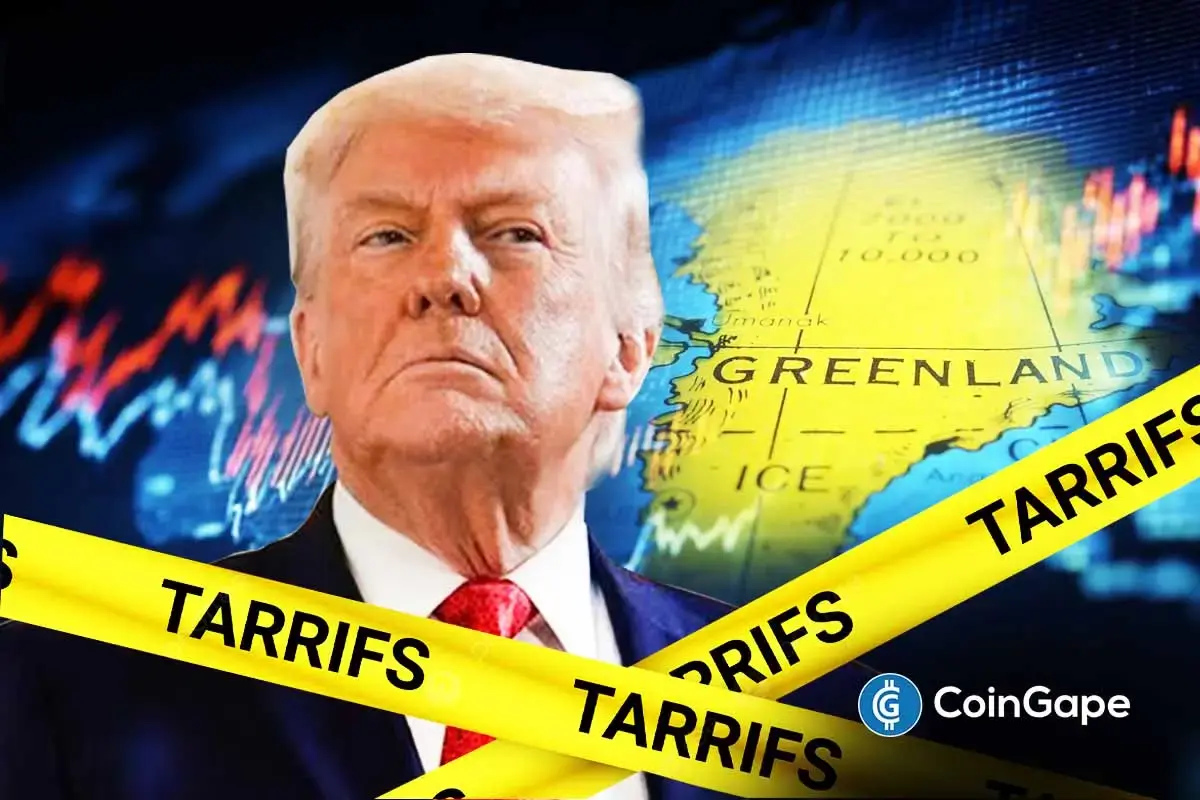
Trump’s threat to impose a staggering 200% tax on French wine and champagne arose after President Emmanuel Macron declined to join Trump’s so-called "Board of Peace." This board was envisioned as part of Trump’s broader strategy involving world leaders, particularly in relation to his ambitions over Greenland. Despite a recent decision to delay the implementation of the tariffs, Forissier’s strong response signals that France is prepared to retaliate if these measures are enacted. "It’s not acceptable to have this kind of weapon," Forissier emphasized, asserting that cultural and economic sectors should not be taken hostage in trade disputes.
France’s Firm Position
Forissier’s remarks were made during a recent gathering in Davos, where he underscored France’s determination to defend its economic interests and cultural heritage. The French government views the proposed tariffs as unacceptable, labeling them as leverage used in trade negotiations. For an industry deeply rooted in French culture and identity, the implications of such tariffs are far-reaching. A significant portion of France’s wine production is sold to the U.S., making these exports incredibly important for the nation’s economy. The French government has expressed willingness to engage in retaliatory measures if these tariffs become a reality.
The EU’s Response to Trade Tensions
While the situation appears to have calmed momentarily, the European Union (EU) remains divided on how best to respond to Trump’s threats. Before Trump’s partial retreat, there was a collective push among EU countries for a robust response. However, consensus has proven difficult, reflecting the varied economic stakes among member states. While some nations advocate a hardline stance, others remain cautious, emphasizing the importance of dialogue over confrontation. It illustrates the complexities of international trade, where differing national interests can stall collective action.
Recent Developments in U.S.-EU Trade Relations
On the trade front, recent communications indicate a temporary thawing of tensions. Trump announced a delay of the imposition of tariffs against certain EU nations, which was initially set to begin on February 1. These developments followed discussions with NATO Secretary General Mark Rutte, highlighting the role of diplomatic engagements in resolving potential trade conflicts. The news of a delay generated a positive ripple effect in financial markets, including a surge in cryptocurrency markets, underscoring the interconnected nature of global trade and economic sentiment.
Significance of the Board of Peace
Trump’s "Board of Peace," designed to promote cooperative international relations, has drawn skepticism, especially in light of the threats surrounding its establishment. Many view it as an attempt to consolidate power and influence in international affairs, especially as it relates to disputes involving trade and territorial ambitions. The broader implications of the Board could extend to issues of trade conflict resolution, although its efficacy remains to be seen. Critics argue that utilizing significant cultural products, like French wine, as bargaining chips undermines the principles of fair trade.
Conclusion: The Road Ahead for U.S.-France Trade Relations
As the world watches, the current trade saga unfolds with many unanswered questions. Will Trump’s tariff threats materialize, or will diplomatic engagements steer both France and the U.S. towards a more amicable resolution? The stakes are high for the French wine industry and broader EU-U.S. relations, as tariffs could ignite a full-fledged trade war, affecting consumers and producers alike. Moving forward, it will be crucial for both nations to engage in dialogue that prioritizes mutual respect and understanding, ensuring that cultural legacies and economies are preserved amidst geopolitical challenges.