



Federal Reserve’s Stance on Rate Cuts Amid Persistently High Inflation
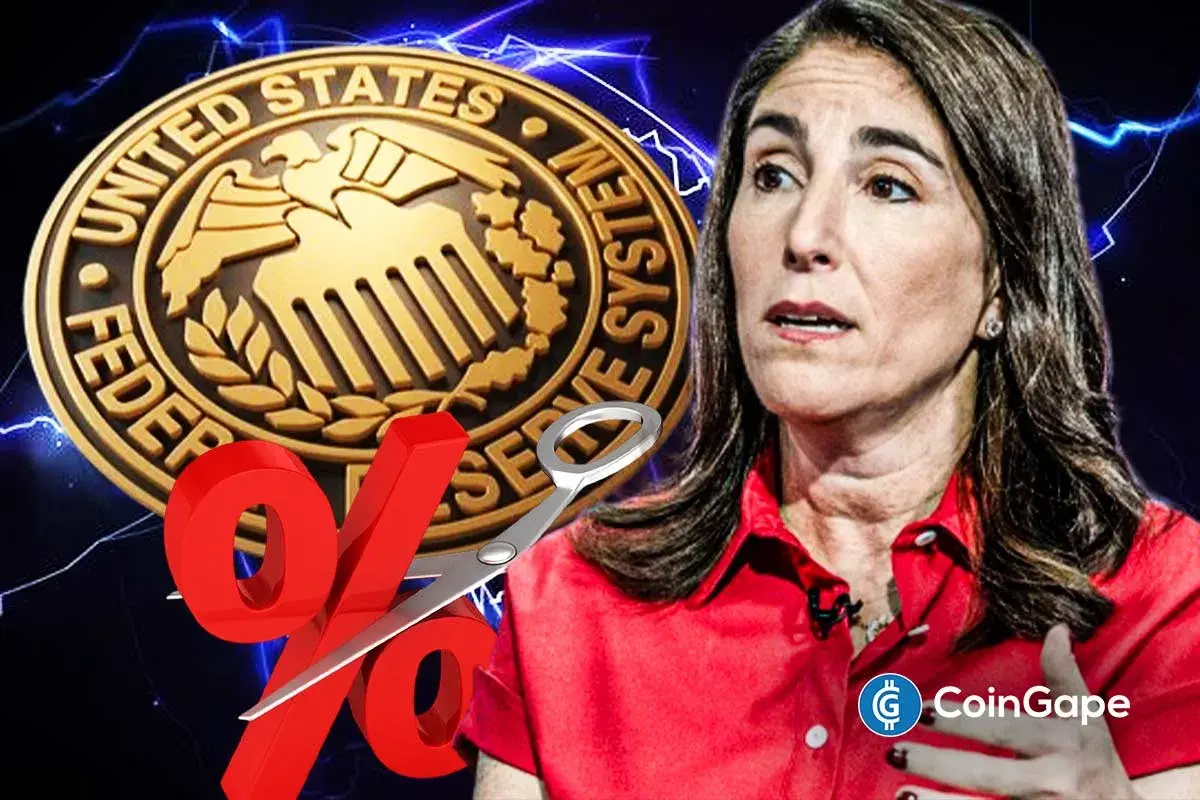
In recent remarks, Federal Reserve President Beth Hammack signaled a cautious approach toward future Federal Reserve rate cuts, highlighting the persistent challenge of high inflation levels. During an event in Ohio, Hammack emphasized the importance of patience as the Federal Open Market Committee (FOMC) assesses the impacts of prior rate cuts and monitors economic performance. Her comments come at a time when crypto traders are re-evaluating their expectations for future cuts, despite a notable political push for lower rates following the nomination of Kevin Warsh as Fed chair by former President Trump.
The Current Economic Landscape
Hammack pointed out that the dual mandate of the Federal Reserve—maintaining maximum employment and stable prices—remains a priority. Although the labor market seems to be relatively balanced, she remains concerned about inflation, which she described as "still too high." Central to her argument is the necessity to bring inflation down to the target rate of 2% before considering any further rate adjustments. She also highlighted a risk of inflation persisting at around 3% throughout the year, reinforcing the need for caution in monetary policy decisions.
Stability Over Aggression in Rate Decisions
The Cleveland Fed president’s recent votes reflect a strategic choice to hold rates steady during the early January FOMC meeting. Hammack believes that the current funds rate is near a neutral point, meaning it is not macroscopically restraining economic activity. This careful stance indicates a preference for a wait-and-see approach, allowing more time to comprehend the ramifications of earlier rate actions.
At the same time, traders in the cryptocurrency market are notably less optimistic about the number of anticipated rate cuts for this year. Insights from Polymarket indicate a shift in expectations, with traders now predicting only two cuts, a decrease from three. This adjustment illustrates the growing consensus among market participants that further rate reductions may not be imminent despite political pressures.
Echoing Sentiment from Other Fed Officials
Adding to Hammack’s perspective, Dallas Fed President Lorie Logan also underscored the ongoing concern around inflation. She expressed her skepticism that inflation is adequately trending towards the Fed’s 2% target. Logan remarked that while the current policy stance appears suitable, it does not necessitate additional cuts to achieve the Fed’s dual mandate.
Logan, who has voting rights within the FOMC, highlighted that any future rate cuts would rely on observable decreases in inflation, especially amid a cooling labor market. Both Hammack and Logan’s focus on inflation suggests a careful balancing act for the Federal Reserve moving forward.
Labor Market Dynamics and Upcoming Reports
Recent data from initial jobless claims and Job Openings and Labor Turnover Survey (JOLTS) reveal potential declines in the labor market, intensifying the complexity of the Fed’s decision-making landscape. The forthcoming January jobs report will be critical, as it is expected to reveal an increase of 70,000 nonfarm payrolls with an unemployment rate projected to land at 4.4%. These figures will provide crucial insights into the health of the labor market and may influence decisions in the subsequent FOMC meeting.
Additionally, the Consumer Price Index (CPI) inflation report—scheduled for release this Friday—will be pivotal in guiding policy direction as well. The interplay of these economic indicators will determine the pacing and nature of future monetary strategies.
Looking Ahead
In summary, the Federal Reserve is notably cautious as it considers the implications of high inflation in relation to its dual mandate of employment and price stability. The current sentiment among Fed leaders, particularly Hammack and Logan, is to prioritize sustaining the existing rate while awaiting further data on inflation and employment. This approach sheds light on the importance of a comprehensive understanding of economic signals, as policymakers navigate the uncertain waters of the post-pandemic economic landscape.
As inflation remains a pressing issue, both traders and economic analysts will keep a close eye on upcoming reports and the Fed’s ultimate decisions. The evolving conversation around rate cuts will continue to shape market expectations and inform investment strategies as the economic climate develops.