




Federal Reserve’s Approach Amid Trump’s Economic Pressures: A Key Meeting Overview
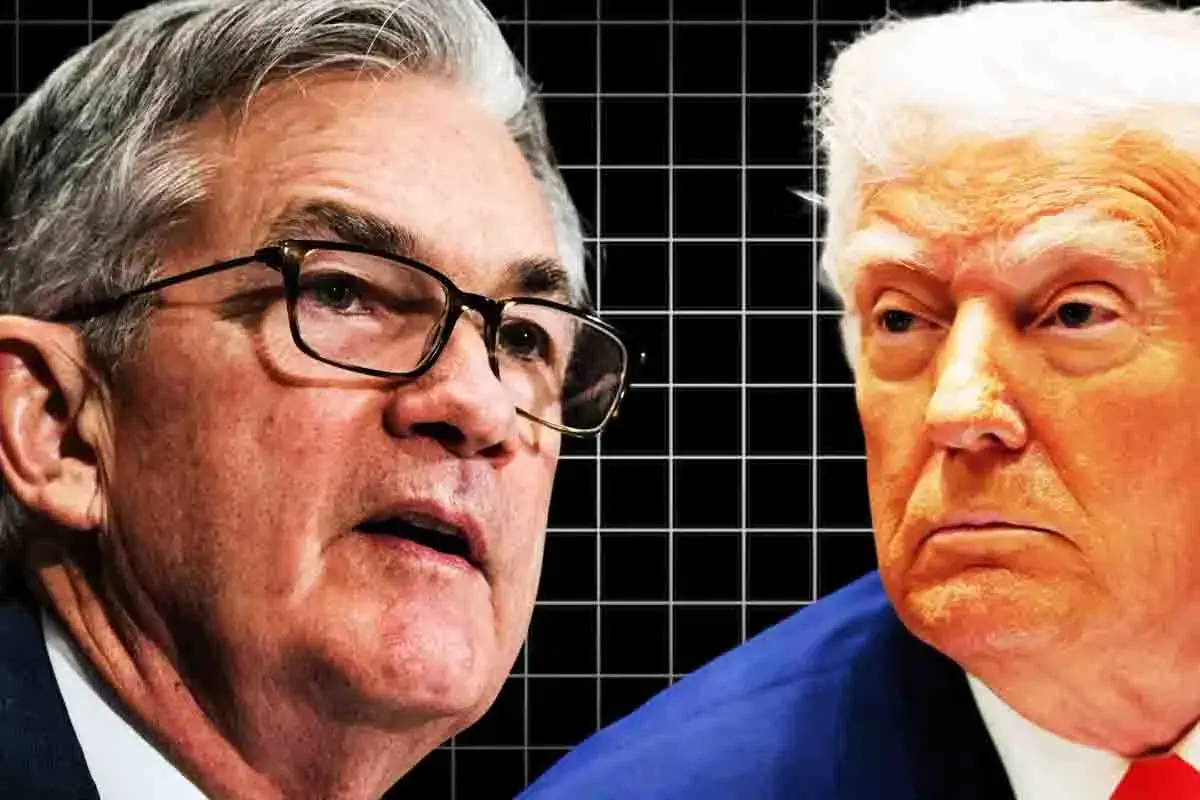
In the midst of national economic uncertainty driven by ongoing Trump tariffs, Federal Reserve Chair Jerome Powell recently held a significant meeting with President Donald Trump. This was their first meeting since Trump began his second term, and it comes against the backdrop of intense pressure on the Federal Reserve regarding interest rates. Trump has expressed clear dissatisfaction with Powell’s policies, urging the Fed Chair to implement rate cuts to foster economic growth.
The Meeting’s Context and Importance
Jerome Powell’s meeting with Trump, which took place at the White House upon the president’s invitation, was focused on discussing critical economic issues such as growth, employment, and inflation. Despite this high-profile setting, Powell refrained from divulging specific expectations regarding the Federal Reserve’s monetary policy. Instead, he reaffirmed that any changes would depend on incoming economic data and how it affects future outlooks. This nuance emphasizes the Fed’s commitment to basing its decisions on empirical analysis rather than political pressure, which is vital for maintaining the institution’s independence.
The Fed’s Cautious Stance
The Federal Reserve’s approach has become increasingly cautious due to the ongoing uncertainty caused by tariffs imposed under Trump’s administration. Recent minutes from a Federal Open Market Committee (FOMC) meeting indicate that Fed officials are closely monitoring the economic impact of these tariffs, believing they may exacerbate inflation. This cautious stance highlights the intricate balance the Fed seeks to maintain—supporting maximum employment while ensuring price stability amid external pressures.
Potential Rate Cuts: Conditions and Speculations
As market analysts report, some within the Federal Reserve, including Chicago Fed President Austan Goolsbee, suggest that rate cuts could be a possibility if the ongoing trade tensions subside through a successful trade agreement. This speculation is crucial for market observers, as the direction of monetary policy can significantly influence economic conditions. A strong consensus within the Fed to ease rates could signal a responsive strategy to mitigate inflation pressures stemming from tariffs, helping stimulate economic activity.
The Importance of Objective Analysis
In his discussions, Powell underscored the Fed’s commitment to making monetary policy decisions based on “careful, objective, and non-political” analysis. This principle is essential for the credibility of the Federal Reserve. The independence of the Fed is a cornerstone of United States economic policy, allowing it to respond to economic indicators free from political influence. By prioritizing data over political pressure, Powell aims to stabilize both the economy and the public’s trust in the Fed’s operations.
Future Economic Landscape
As economic developments unfold, the Federal Reserve’s flexibility in its approach will be crucial. The interplay between Trump’s economic policies, including tariffs, and Powell’s monetary strategies will undoubtedly shape the future economic landscape. Stakeholders, from investors to policymakers, are keenly watching how the Fed navigates these challenges. The potential for rate cuts—if supported by changing economic conditions—may provide much-needed relief for a market grappling with uncertainty.
In conclusion, the dialogue between the Federal Reserve and the Trump administration is taking on increased importance as both parties seek to address economic challenges. The Federal Reserve remains committed to its mission of ensuring maximum employment and price stability, emphasizing the need for decisions rooted in careful analysis versus political motivations. As the economic environment evolves, ongoing communication between the Fed and the White House will be essential in crafting effective policies that foster a resilient economy.