



Fed Rate Cut Expectations Shift: Impacts of Jobs Data and Rising Oil Prices
In recent financial news, expectations for a cut in Federal Reserve interest rates have significantly shifted following the release of robust U.S. jobs data. This unexpected surge in employment numbers not only altered market sentiment but also compelled traders to reevaluate their previous forecasts regarding monetary policy easing. Amidst this backdrop, rising oil prices due to the ongoing U.S.-Iran conflict added another layer of complexity, reigniting concerns over inflation and the direction of monetary policy.
Stronger Employment Data Challenges Rate Cut Predictions
The March employment report revealed a surprising increase of 178,000 nonfarm jobs, surpassing market expectations of just 65,000. Furthermore, the unemployment rate dipped to 4.3%, lower than the anticipated 4.4%. This positive job market news starkly contrasted with the previously revised data for February, which had reported job losses of 133,000. The March results indicate a more stable labor market, prompting traders to reassess their expectations for Federal Reserve rate cuts previously projected for this year and beyond.
Market response was immediate and pronounced. Treasury yields rose by three to four basis points, effectively erasing earlier expectations of policy easing that had been prevalent for the first quarter of the year. As traders recalibrated their outlook, many removed remaining bets on any form of rate cut in 2023 and adjusted forecasts for potential easing in 2027. Nevertheless, financial analysts, including Tony Farren from Mischler Financial Group, have emphasized that the latest data does not trigger an immediate tightening of policies, suggesting that the Federal Reserve may choose to maintain its current stance.
Market Reactions: Unwinding Positions and Adjusting Risk Exposures
In the wake of the favorable jobs report, financial markets reacted decisively. Treasury prices fell as yields surged across various maturities, reflecting a significant shift in trading sentiment. Concurrently, the U.S. dollar initially strengthened but later pared some of its gains. This dynamic highlights how interlinked market reactions are to changes in interest rate expectations and economic indicators.
Riskier assets also felt the weight of shifting sentiment; Bitcoin, for instance, experienced a decline as traders opted for more liquidity following the reassessment of rate cut expectations. This response underscores a broader change in risk appetite among investors. Moreover, positioning in the Treasury market began to pivot as short positions accumulated over recent weeks faced unwinding, thanks to traders reassessing growth risks. Options traders also increased their demand for protective measures against falling yields as they prepared for potential volatility.
Strategic Guidance Amidst Economic Uncertainty
In response to the changed landscape, strategists at JPMorgan Chase & Co. charged their clients to close earlier Treasury positions, indicating that the labor market’s strength could mean that any anticipated Fed rate cuts would be postponed. Thomas Simons, Chief U.S. Economist at Jefferies, highlighted that while the report appears strong, it is primarily backward-looking and fails to capture the potential impacts of escalating energy costs and geopolitical tensions.
This multifaceted economic environment illustrates the challenges traders encounter, particularly in gauging the interplay between labor market dynamics, monetary policy, and broader economic indicators. As market participants digest the latest data, the consensus is that policymakers will likely hold their positions steady for the time being.
Rising Oil Prices and Inflation Concerns
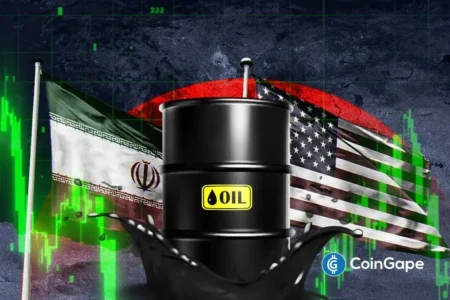
Compounding the complexities faced by the Federal Reserve is the recent surge in oil prices, which soared above $111 amid intensifying conflicts in the Middle East. Such significant increases are not merely local phenomena; they are expected to exert pressure on global energy supply chains. The Strait of Hormuz and the Bab el-Mandeb Strait, vital shipping routes, have become focal points of concern as tensions have heightened.
As the U.S.-Iran conflict intensified, the risks associated with energy supply disruptions grew, leading financial markets to reevaluate initial expectations of multiple future rate cuts. Prior to this situation, the markets had priced in several rate reductions; however, strong employment data and rising energy costs have compelled a reassessment. This shift in outlook aligns with the Federal Reserve’s earlier decision to pause rate cuts in January after implementing three reductions in the preceding year.
Future Outlook: Balancing Growth, Inflation, and Geopolitical Risks
Looking ahead, the Federal Reserve faces a challenging balancing act between fostering economic growth and managing inflation pressures linked to rising oil prices. While the labor market data suggests resilience, the implications of ongoing geopolitical tensions and their potential impact on energy costs present a formidable hurdle for policymakers. Analysts will be closely monitoring the interplay between these factors as the U.S. economy navigates an increasingly complex landscape.
With traders and investors recalibrating their expectations, the focus will remain on the labor market, inflation metrics, and global events as indicators of future monetary policy decisions. For now, the prevailing sentiment hints at a period of stability in Fed interest rates, yet ongoing fluctuations in energy prices and labor dynamics will continue to dictate market movements and financial strategies.
In conclusion, as the economic landscape evolves and new data emerges, market participants are advised to stay nimble. Understanding the interconnectedness of employment figures, interest rate forecasts, and geopolitical developments will be crucial in adapting investment strategies in the months to come.
By carefully tracking these variables, investors can better position themselves to respond proactively to upcoming changes and uncertainties in financial markets.