



The Impact of Geopolitical Tensions on U.S. Federal Reserve Rate Cut Expectations
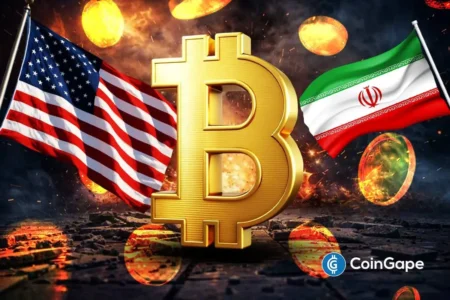
In recent weeks, the financial landscape has faced significant shifts, particularly regarding predictions for Federal Reserve (Fed) interest rate cuts. The ongoing U.S.-Iran conflict has intensified fears of rising inflation, mainly as oil prices surge due to geopolitical tensions threatening vital supply routes like the Strait of Hormuz. This has led to a rapid reassessment of Fed rate cut probabilities by investors, reflecting a growing concern that these external pressures may delay any easing by the Federal Reserve.
Volatile Market Reactions to Inflationary Pressures
According to recent data from Kalshi, traders are now assigning approximately 25% odds to a single Fed rate cut, a decrease in expectations for two or more cuts. Prior forecasts had assigned a much higher chance—around 79%—to multiple cuts. The market dynamics have shifted significantly, with five-year inflation expectations rising to 2.54% and the 10-year Treasury yield climbing to approximately 4.1%. These trends suggest that investors are increasingly worried that escalating energy prices may keep inflation elevated, reducing the likelihood of the Fed’s monetary easing.
The Ripple Effect of Rising Oil Prices
The surge in crude oil prices, hitting a two-year high, has significant implications beyond just oil markets. As energy costs rise, so do transportation and consumer goods prices, leading to broader inflationary pressures. This scenario could potentially challenge the Fed’s assumptions regarding near-term rate cuts and prolong elevated fuel costs. A sustained disruption in oil supply could further exacerbate inflation, compelling policymakers to adopt a more cautious approach to interest rate decisions.
Assessing Economic Conditions and Fed Policy
In light of these circumstances, Federal Reserve Bank of New York President John Williams has made public statements outlining the current economic framework. He indicated that additional Fed rate cuts could be warranted if inflation trends downward after the effects of tariffs diminish. However, he was clear that inflation remains stubbornly above the Fed’s target of 2%, emphasizing the importance of monitoring incoming inflation data closely. The labor market’s stability also influences Fed policy, as Williams noted concerning conditions that resemble a "low-hire, low-fire" environment, with unemployment at 4.3%, mirroring levels from mid-2025.
Diverging Perspectives on Future Fed Rate Cuts
Among the Fed’s leadership, opinions vary regarding the appropriate response to persistent inflation. Federal Reserve Bank of Kansas City President Jeff Schmid expressed a need for caution during a recent address in Denver, recognizing that inflation pressures have exceeded the central bank’s target for almost five years. Schmid’s warning against complacency reflects the tricky balance the Fed must strike between fostering labor market stability and addressing inflationary pressures effectively.
Amid these discussions, some analysts argue that geopolitical conflicts historically increase the likelihood of Fed rate cuts. Arthur Hayes, a notable voice in financial markets, posits that central banks often lower rates during periods of significant global unrest. This viewpoint presents a contrasting narrative, suggesting that the Fed may have room to maneuver despite current inflation concerns.
Conclusion: Navigating Uncertain Waters
As the U.S. grapples with geopolitics intertwining with economic indicators, the landscape remains uncertain for investors and policymakers alike. The expectations surrounding Fed rate cuts are dynamic and heavily influenced by inflation trajectories and geopolitical developments. With oil prices impacting inflation expectations and economic growth perspectives, it becomes crucial for this complex interplay to be continuously monitored. As discussions within the Fed evolve, the decisions made will shape future market conditions and economic stability. Investors and analysts will need to remain vigilant as the data continues to unfold, impacting monetary policy and financial markets.