



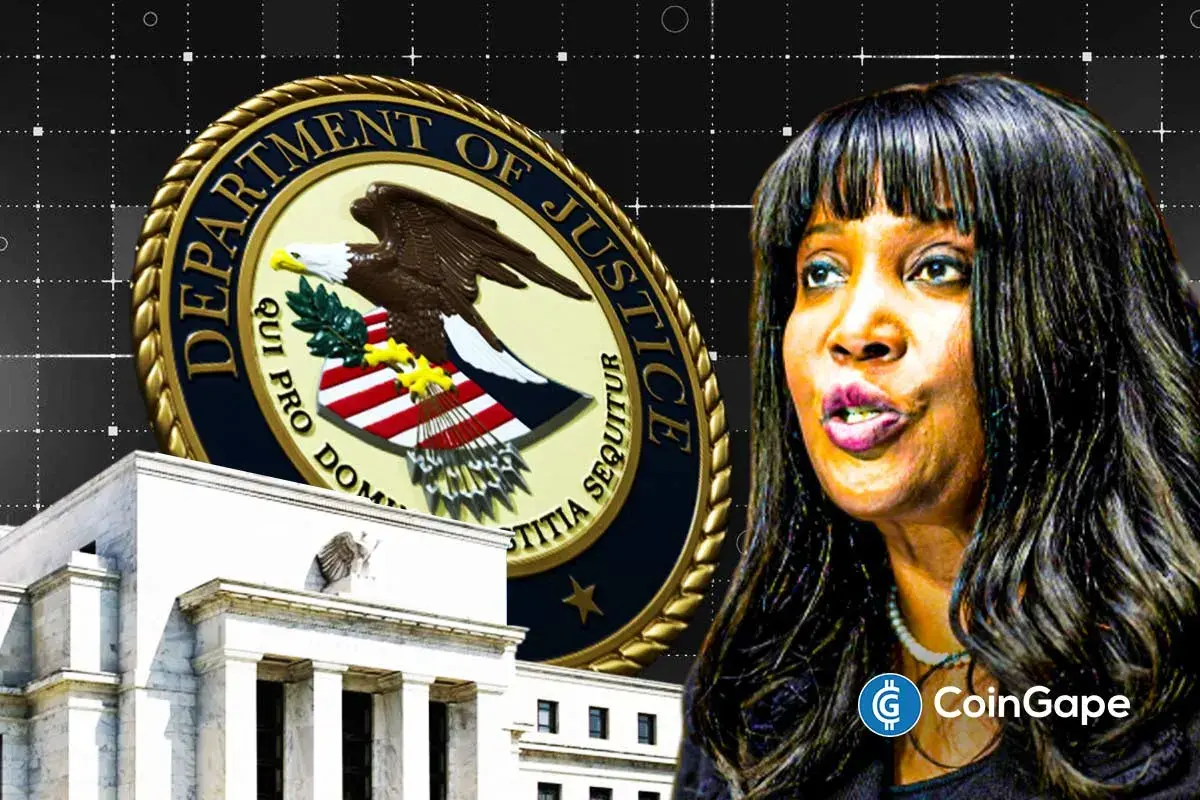

DOJ Investigation of Federal Reserve Governor Lisa Cook: A Political and Economic Crossroads
The criminal investigation launched by the U.S. Department of Justice (DOJ) into Federal Reserve Governor Lisa Cook has sent shockwaves through financial and political circles. Occurring just before the Federal Open Market Committee (FOMC) meeting, the investigation raises crucial questions about the integrity of the Federal Reserve and its decision-making processes. A potential interest rate cut of 25 basis points is anticipated, but Cook’s status amid these allegations could significantly influence the committee’s dynamics.
Allegations and Legal Context
Recent reports reveal that the DOJ’s inquiry stems from a referral by Federal Housing Finance Agency (FHFA) Chair Bill Pulte, who raised suspicions that Cook may have submitted false information in her mortgage applications. Specifically, investigators are looking into allegations of her improperly claiming multiple primary residences to secure more favorable mortgage terms. This situation not only puts Cook at the center of a potential federal fraud probe but also casts doubt on the independence of the Federal Reserve as it confronts political scrutiny.
Political Ramifications and Trump’s Response
The implications of this investigation extend beyond legal matters, drawing the interest of former President Donald Trump. Known for his contentious relationship with the Federal Reserve, Trump has publicly called for Cook’s removal, describing her tenure as incompatible with the needs of the American people. His comments reflect a broader movement among his allies to reshape the Fed’s governance, particularly in favor of policies that encourage rapid monetary expansion. This political backdrop complicates Cook’s position, as the intersection of law and politics could have lasting consequences for the Fed’s operations.
Legal Challenge Against Removal Efforts
In response to Trump’s calls for her ousting, Cook has initiated legal action against him, arguing that her removal would violate the independence of the Federal Reserve and statutory protections meant for board members. Her legal team, headed by renowned attorney Abbe Lowell, claims that this unprecedented situation represents a significant threat to the autonomy of the central bank. The outcome of her lawsuit may set critical precedents regarding the influence of political pressures on federal financial institutions, raising alarm bells for both investors and policymakers.
The FOMC Meeting and Rate Decisions
Cook’s involvement in the impending FOMC meeting is pivotal, especially given the anticipated 25 basis point interest rate cut due to easing inflation pressures. Historically considered a voice of moderation, Cook has favored accommodating policies that support labor market growth and economic stability. Despite the legal storm swirling around her, market sentiments suggest that investors still expect her to participate in the decision-making process. This perception is crucial as the FOMC faces the challenge of determining whether to maintain current restrictive monetary policies or pivot towards easing them.
Broader Implications for the Federal Reserve
The investigation of Lisa Cook holds profound implications for the Federal Reserve’s legitimacy and independence. As the DOJ probes allegations of misconduct, the institutional integrity of the Fed becomes paramount. The confluence of legal scrutiny and political influence could alter the central bank’s trajectory at a critical juncture for the U.S. economy. The unfolding events may pave the way for unprecedented challenges to the autonomy of central bank officials, ultimately impacting monetary policy effectiveness in maintaining economic stability.
Conclusion: A Defining Moment for Central Bank Independence
The DOJ’s investigation into Lisa Cook is much more than a legal issue; it represents a defining moment for the Federal Reserve’s independence amidst increasing political scrutiny. As Cook navigates her legal challenges, market players keenly await the outcomes of both the investigation and the FOMC meeting. The interplay of law, politics, and monetary policy will undoubtedly shape the Federal Reserve’s future, thus influencing the broader U.S. economic landscape. In this environment of uncertainty, the implications of these developments warrant careful attention from investors and policymakers alike.