



Geopolitical Tensions Impact Crypto Market: U.S.-Iran Negotiations Under Scrutiny
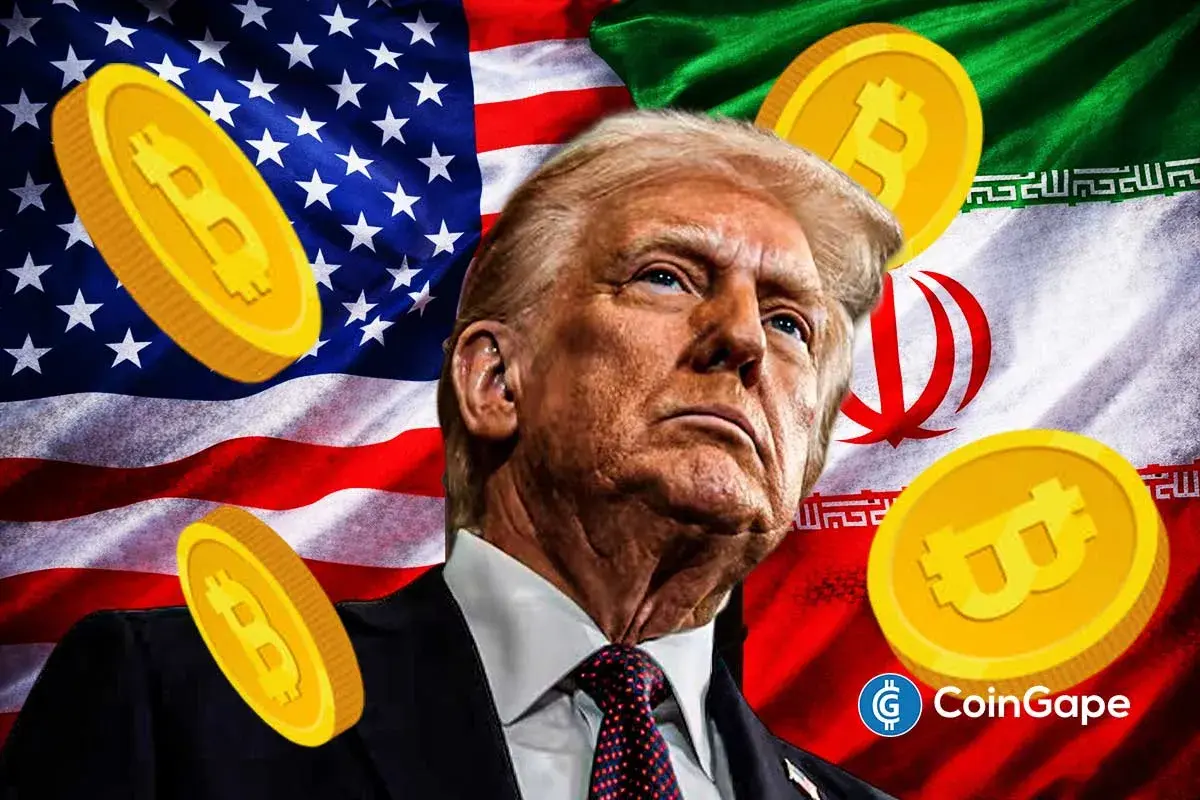
As geopolitical tensions escalate between the United States and Iran, the crypto market braces for potential repercussions. With nuclear negotiations set to take place, traders and investors are on high alert. The unfolding situation could significantly impact cryptocurrency prices, a market already vulnerable due to declines witnessed over the previous year.
Upcoming U.S.-Iran Talks: A Crucial Moment for Crypto
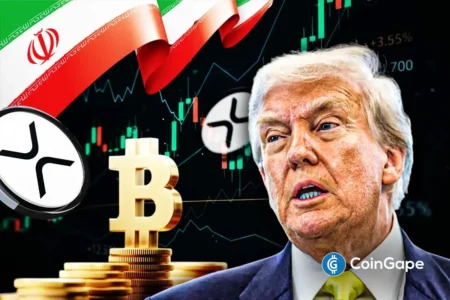
According to Bloomberg, a third round of nuclear talks between the U.S. and Iran is scheduled, just as President Donald Trump approaches a critical deadline for a deal. Negotiations will be driven by Iranian proposals presented by Oman’s Foreign Minister Badr Albusaidi. Previous talks resulted in the drafting of an agreement’s text, but both sides face significant hurdles ahead. Iran’s Foreign Minister Abbas Araghchi emphasized the nation’s determination to achieve a "fair and equitable deal" quickly, although the road ahead appears fraught with challenges.
U.S. Demands and Iranian Priorities: A Complex Landscape
The U.S. continues to assert that it will block any Iranian efforts to develop nuclear weapons, whereas Iran maintains that it has no intentions of pursuing such capabilities. The focal point for Iran in these discussions is the lifting of sanctions that have severely impacted its economy, exacerbating currency crises and igniting street protests against the regime. As tensions mount, Trump has warned of military action if a deal is not reached by the March 1-6 deadline. Such threats create anxiety about potential military conflict in the Middle East, which could have dire implications for the volatile crypto market.
Traders’ Sentiment Shifts: Diminished Hopes for a Deal
Recent data from Polymarket reveals a decline in optimism surrounding the likelihood of a successful agreement, with traders estimating only a 30% chance of a deal by the deadline. This skepticism is accentuated by the continuous drop in cryptocurrency values, which plummeted earlier this year after the U.S. increased military presence in the region. The crypto market, already suffering from billions of dollars in capital loss from last year’s highs, is particularly sensitive to geopolitical developments.
China’s Role: A Traditional Ally
China has been observing the evolving situation in Iran closely. Historically, the two nations share a supportive relationship, with China reinforcing its stance in favor of the Iranian government’s efforts to maintain national stability. China’s position adds another layer of complexity to the situation, as any shifts in diplomatic relations could also influence the global perception and stability of the cryptocurrency market.
Crypto Market Dynamics: Affected by Global Events
The interconnection between geopolitical events and market dynamics highlights the fragility of the crypto ecosystem. Traders and investors are increasingly acknowledging that developments in international relations can have direct implications for crypto prices. External factors like negotiations between the U.S. and Iran can trigger market volatility, as seen in past incidents of military escalation. Therefore, crypto traders must remain vigilant as these high-stakes negotiations unfold.
Conclusion: Vigilance in Uncertain Times
The unfolding negotiations between the United States and Iran serve as a reminder of the macroeconomic factors that can influence the crypto market. As hopes for a favorable outcome diminish, the possibility of renewed military conflict looms large, creating an atmosphere of uncertainty. For those involved in cryptocurrency trading, this is a critical moment to stay informed and prepared for swift market changes as geopolitical tensions continue to shape the financial landscape.
In this highly volatile environment, understanding the implications of international relations on the crypto market is essential for making strategic investment decisions.