



Crypto Market Remains Steady Amid Geopolitical Tensions: A Detailed Overview
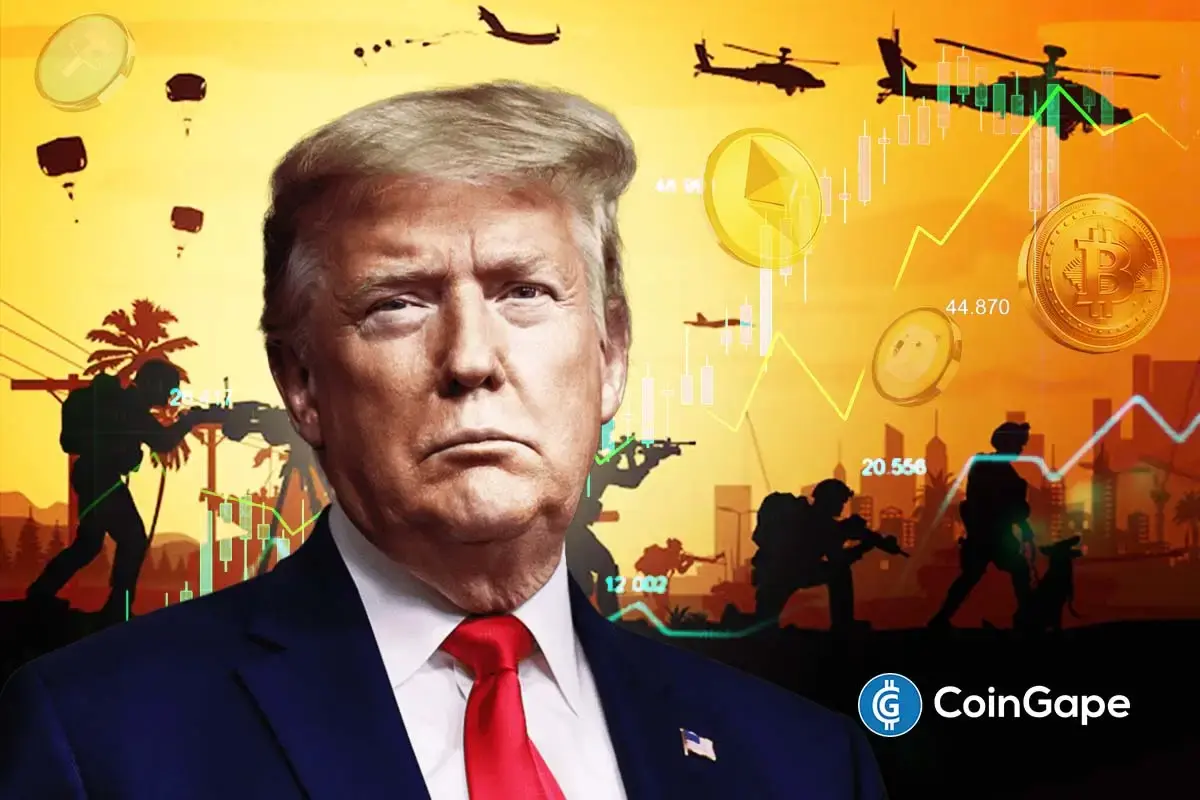
In recent days, the crypto market has found itself under a cloud of uncertainty as geopolitical tensions rise, particularly in Latin America. The primary catalyst for this increased caution stems from U.S. President Trump’s threatening remarks regarding potential military action in Colombia. Following a recent military operation in Venezuela, the focus has shifted to Colombia, where President Trump claims that the government isn’t doing enough to combat drug trafficking. Surprisingly, despite the heightened tensions, the crypto market has not experienced significant volatility, making it an intriguing topic for investors and analysts alike.
Trump’s Military Threats Spark Concern
On January 5, 2026, Trump commented on Air Force One that the U.S. was considering military action against the Colombian government. He criticized Colombian President Gustavo Petro for failing to curb cocaine smuggling into the United States. "Colombia is very sick, too, run by a sick man," Trump stated, alluding to Petro’s administration. The implications of these statements have raised concern among crypto investors who are wary of how geopolitical dynamics can negatively affect asset valuations. Given that geopolitical developments can shape market sentiments, many investors are keeping a watchful eye on Colombia’s situation.
The Crypto Market Remains Unfazed
Interestingly, despite the hostile rhetoric, the crypto market has not mirrored the anxieties typically associated with such geopolitical unrest. Digital assets, including Bitcoin, demonstrated surprising resilience in the face of potential military actions and international strife. The crypto market’s relative calm can be attributed to several factors, including growing institutional adoption and a shift in perception regarding the cryptocurrency’s role as a "safe haven" asset. Even during the recent military operation in Venezuela, Bitcoin’s value remained stable, which may suggest a more sophisticated understanding of how cryptocurrencies behave during periods of geopolitical instability.
Historical Context: Geopolitical Events and Cryptocurrencies
Historically, geopolitical tensions have resulted in varied reactions from the crypto market. Events like the Russian invasion of Ukraine had a clear impact, leading to a rapid decline in the value of Bitcoin and other cryptocurrencies. However, the recovery was equally swift, demonstrating crypto’s potential as an alternative to traditional banking systems in areas of political turmoil. In sanctioned economies, such as Iran, Bitcoin transactions surged even amid U.S. sanctions, affirming its utility as a financial instrument in times of economic isolation. As situations evolve, it becomes essential for investors to understand these historical patterns in order to make informed decisions.
Measuring Market Sentiment: Fear & Greed Index
To assess how geopolitical events influence market reactions, tools like the Crypto Fear & Greed Index become invaluable. Current readings show a balanced market attitude despite the looming threats from Trump’s administration. This indicates that investors might be adjusting their strategies to accommodate these external pressures without overreacting. Historical data suggests that periods of fear can lead to market sell-offs, yet this time, the sentiment appears more cautious than panic-driven. Investors often choose to remain vigilant, balancing their portfolios without succumbing to short-term volatility.
The Bigger Picture: U.S. and Latin American Relations
The intricacies of U.S. relations with Latin America are essential to understanding current events. The political landscape in Colombia and Mexico is continually evolving, particularly regarding drug trafficking and crime. Colombian President Gustavo Petro’s government has faced criticism, and recent remarks from Mexican President Claudia Sheinbaum, who denied U.S. interference in dealing with cartels, only heighten the complexity of the situation. All of this makes it crucial for crypto investors to monitor developments keenly, as policy shifts could significantly influence market dynamics and investor confidence.
Conclusion: Bitcoin as an Alternative Amid Political Turmoil
In summary, while geopolitical tensions often raise alarms within financial markets, the crypto market’s reaction to President Trump’s threats has been unexpectedly subdued. Observing the historical behavior of cryptocurrencies in response to geopolitical events provides essential context for current market conditions. The Crypto Fear & Greed Index indicates a balanced sentiment, suggesting that investors are adapting to existing uncertainties without leading to rash market behavior. Ultimately, the evolving dynamics between the U.S. and Latin American nations will likely continue to shape the crypto landscape, reaffirming Bitcoin’s role as a viable alternative in times of political instability. Investors are encouraged to stay informed and be prepared for potential shifts in the market landscape as these national and international dialogues progress.