



China’s Toughened Stance on Yuan-Backed Stablecoins and the U.S. Response
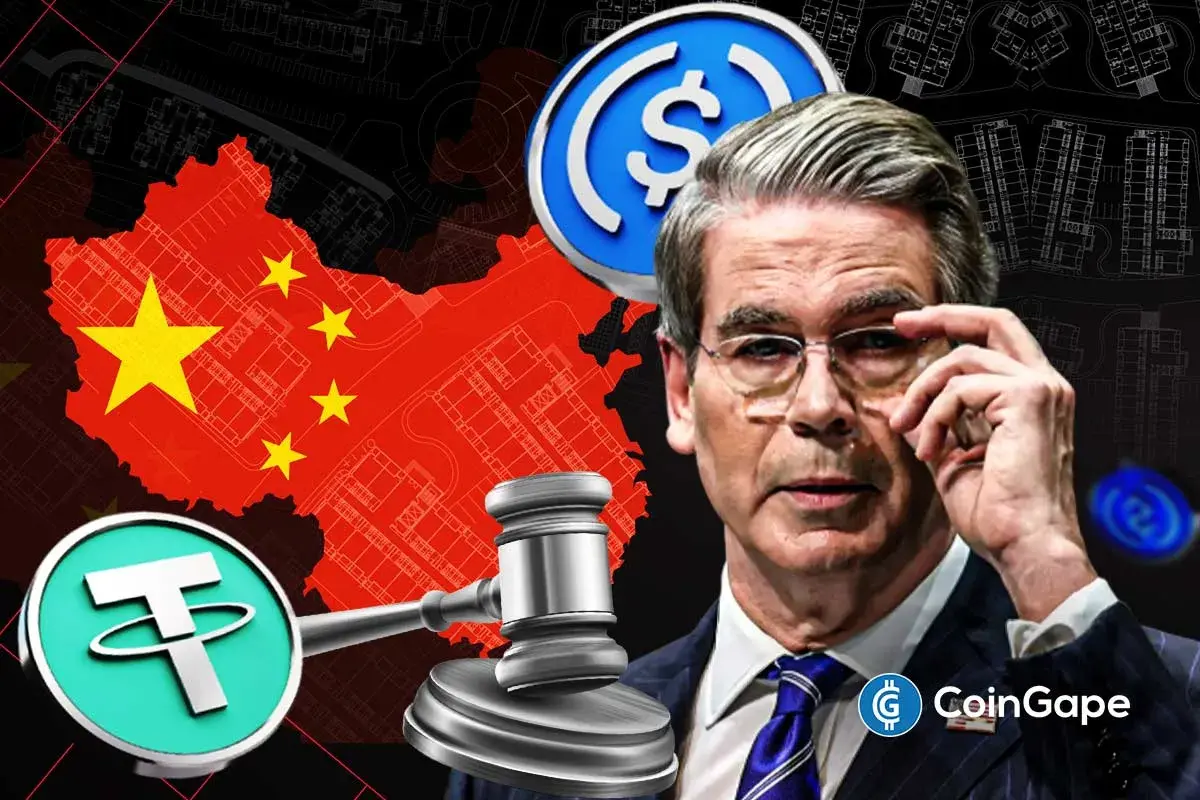
As global interest in cryptocurrencies evolves, regulatory landscapes are continuously shifting. Recently, China has tightened its rules regarding yuan-backed stablecoin issuance, mandating that both domestic and offshore entities must seek approval before issuing such digital tokens. This move aligns with the country’s broader initiative to tighten its grip on crypto-related activities amidst rising global competition, particularly from the United States. In this context, U.S. Treasury Secretary Scott Bessent is advocating for the immediate passage of the CLARITY Act, highlighting the pressing need for regulatory clarity to keep the U.S. at the forefront of the crypto sector.
The New Rules in China
According to a Bloomberg report, the People’s Bank of China, alongside seven other regulatory bodies, has issued a sweeping ban on the issuance of yuan-backed stablecoins by any entities, whether domestic or offshore, without prior authorization. This regulation aims to safeguard China’s monetary sovereignty, reflecting concerns over uncontrolled digital token issuance. As the Chinese government intensifies its crackdown on cryptocurrencies, this latest policy serves as a clear signal of their intent to maintain tight control over digital financial innovations.
The tightening of regulations may impact how Chinese firms and individuals engage with digital assets, potentially stifling innovation within the country. While China’s crackdown has been ongoing, its proactive steps to regulate stablecoins further underline its cautious approach towards digital finance.
The U.S. Push for Regulatory Clarity
As China fortifies its crypto regulations, the U.S. is making strides to establish a clear legal framework that would enable it to maintain a competitive edge. During a Senate Banking Committee hearing, Treasury Secretary Scott Bessent underscored the critical importance of passing the CLARITY Act. He insisted that delays in regulatory clarity stagnate progress and hinder the U.S. from fully capitalizing on its potential in the crypto space. The urgency expressed by Bessent signals a response to international pressures, particularly from nations like China, that are making significant moves in the digital asset landscape.
Although the progress of the CLARITY Act has slowed, there is optimism among U.S. lawmakers and crypto advocates. Proposals from industry stakeholders suggest allowing community banks to hold stablecoin reserves or to issue stablecoins in partnership with established financial institutions. This collaborative approach could further contribute to shaping a regulatory landscape that balances innovation with safeguards against systemic risks.
Unpacking Bessent’s Concerns
Bessent’s comments shed light on the possibility of China developing digital assets intended to challenge the U.S. financial system. He hinted at rumors suggesting that China might explore backing digital tokens with other assets, including gold—an approach that highlights the nation’s intent to diversify its reserves away from solely relying on the yuan. Bessent acknowledged these developments as plausible given China’s extensive regulatory sandbox in Hong Kong, which allows for innovative financial products in a more flexible environment.
Moreover, he reiterated that there are no current plans for the U.S. to introduce a Central Bank Digital Currency (CBDC), unlike its Chinese counterpart. Instead, the focus remains on creating an environment conducive to private sector engagement in the crypto industry. Bessent expressed confidence that, with the appropriate regulations through initiatives like the GENIUS Act and CLARITY Act, the market would naturally gravitate toward U.S. dollar-backed stablecoins, enhancing their usage and trustworthiness.
The Future of Bitcoin Reserves
In conjunction with his broader focus on regulatory clarity, Bessent reiterated the U.S. Treasury’s plan to utilize confiscated Bitcoin to establish a reserve. This strategy emerged during discussions of whether the government could intervene to support the cryptocurrency’s value during downturns. Bessent clarified that he lacks the authority to compel banks to purchase Bitcoin, emphasizing that market dynamics will ultimately dictate its position and value within the financial ecosystem. This reserve plan indicates a strategic approach to integrating Bitcoin into the broader monetary system, potentially paving the way for further acceptance and adoption of cryptocurrencies.
Conclusion: Navigating the Evolving Landscape
As regulatory landscapes evolve, the tug-of-war between China and the U.S. intensifies in the crypto sector. China’s recent restrictions on yuan-backed stablecoins reflect its commitment to safeguarding monetary sovereignty but may also hinder innovation. Concurrently, the U.S. aims to solidify its position as a leader in crypto regulation through the CLARITY Act, emphasizing the need for clear guidelines to foster innovation and maintain competitiveness. As both nations navigate this rapidly changing financial landscape, the outcomes of these regulatory efforts are likely to shape the future of digital assets globally.
The intertwining paths of regulatory developments and market dynamics will significantly determine how cryptocurrencies are integrated and accepted in global financial systems, ultimately influencing who will emerge as a leader in this transformative sector.