



China Warns U.S. Against “China Threat” Narrative Amid Greenland Tensions
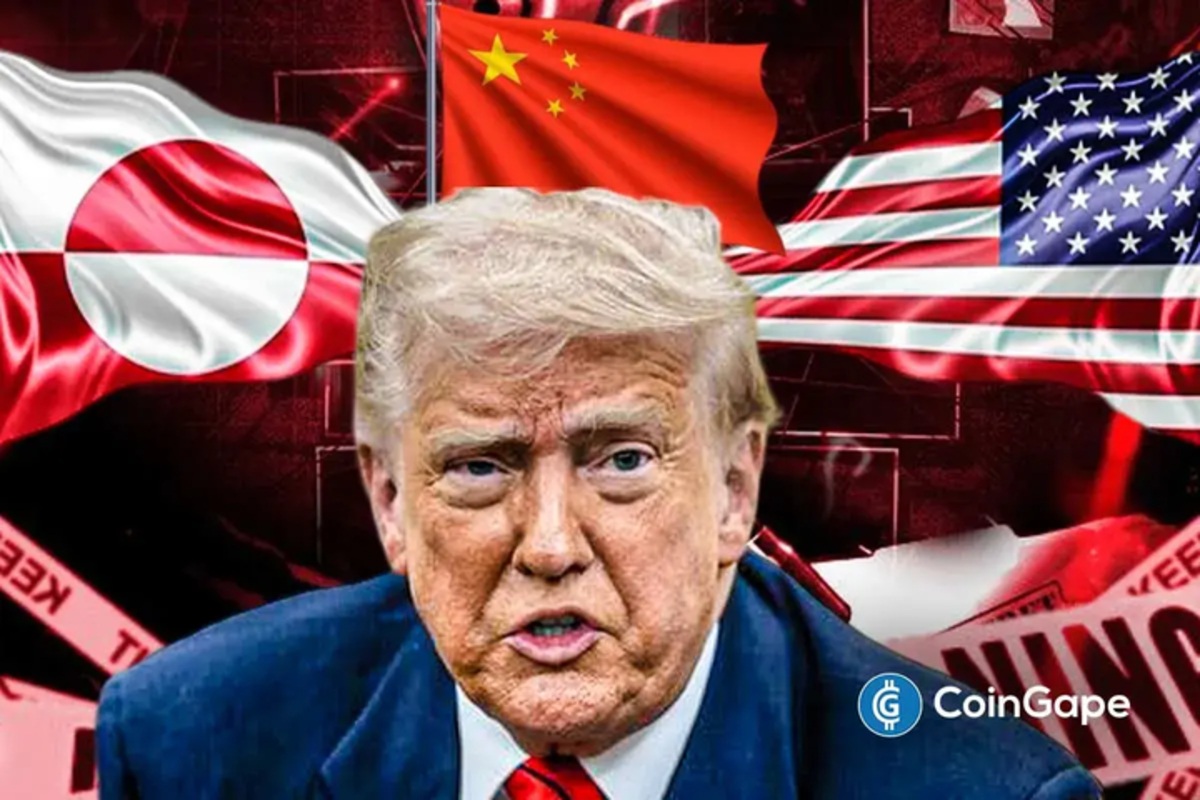
Tensions between China and the United States have escalated, particularly in the context of U.S. President Donald Trump’s recent tariff threats aimed at Europe. As Trump views Greenland as a strategic asset for U.S. security, Beijing is firm in its stance, cautioning Washington against leveraging a “China threat” narrative to justify its actions concerning the territory. With the backdrop of international law and the UN Charter, China is urging a more diplomatic approach rather than one based on self-interest.
China’s Stance on Greenland and U.S. Tariffs
In a recent press conference, Chinese Foreign Ministry spokesman Guo Jiakun emphasized China’s position regarding Greenland. He declared that international law should serve as the foundation of the existing world order, urging the U.S. to cease employing the “so-called China threat” to pursue its objectives. Guo’s remarks come as Trump has highlighted the significance of Greenland in the Arctic region, underscoring its importance for U.S. security amidst rising strategic competition. The administration is keenly aware of the geopolitical implications in the Arctic, making Greenland a focal point of contention between the two superpowers.
Trump’s Tariff Threats
President Trump has taken an aggressive stance toward several European nations, announcing a plan to impose a 10% tariff on goods from countries such as Denmark, Norway, and Germany, effective February 1. If negotiations regarding Greenland do not progress, these tariffs may escalate to 25% by June. During a telephone interview with NBC News, Trump reiterated his commitment to executing these tariffs, asserting confidence in their ability to advance U.S. interests concerning Greenland. This move has raised eyebrows not only in the U.S. but also across Europe.
Greenland’s Response to U.S. Pressure
Greenland’s Prime Minister, Jens-Frederik Nielsen, has responded robustly to Trump’s tariff threats, stating that such pressure is unlikely to sway Greenland’s stance. In a Facebook post, Nielsen expressed pride in Greenland’s unity, underscoring the importance of international law in determining its future. He welcomed support from European leaders and emphasized that threats would not alter Greenland’s position, reinforcing its right to self-determination. This sentiment resonates with many in both Greenland and Denmark, as they rally against external pressures.
European Leaders Rally in Support
The collective spirit of Europe has been evident as European leaders have openly dismissed the U.S. tariff proposals as unacceptable. They stand firmly in support of Denmark, which manages Greenland’s foreign affairs and defense. As tensions mount, Europe is exploring potential retaliatory measures against U.S. actions, which may include additional tariffs or economic strategies designed to resist American unilateralism. The response from European countries reflects a broader trend of unity against perceived threats to their sovereign rights and trading partnerships.
Crypto Markets React to Greenland Dispute
Interestingly, the Greenland situation has also gained traction in crypto prediction markets. According to data from Polymarket, there’s about a 21% chance that the U.S. will acquire Greenland by the end of the year. These odds have risen following Trump’s tariff announcements, demonstrating public curiosity about the outcome of the geopolitical tensions. The evolving situation highlights a blend of political, economic, and even speculative elements as global stakeholders keep a close eye on developments.
Legal Implications of the Tariffs
Amid these rising tensions, the U.S. Supreme Court is set to rule on a case regarding Trump’s tariff powers under the 1977 International Emergency Economic Powers Act. The outcome could potentially redefine the extent of executive authority in trade matters and shape future tariff policies. According to Polymarket, there is a 30% chance the Court will rule in favor of the tariffs, further complicating the landscape of U.S.-China relations and engaging multiple stakeholders in this high-stakes debate.
As the geopolitical landscape shifts, the interaction between the U.S., China, and European nations regarding Greenland will continue to invoke discussion around international law and global trade practices.