



Changpeng Zhao Seeks Defamation Suit Against Senator Elizabeth Warren: A Battle for Crypto Credibility
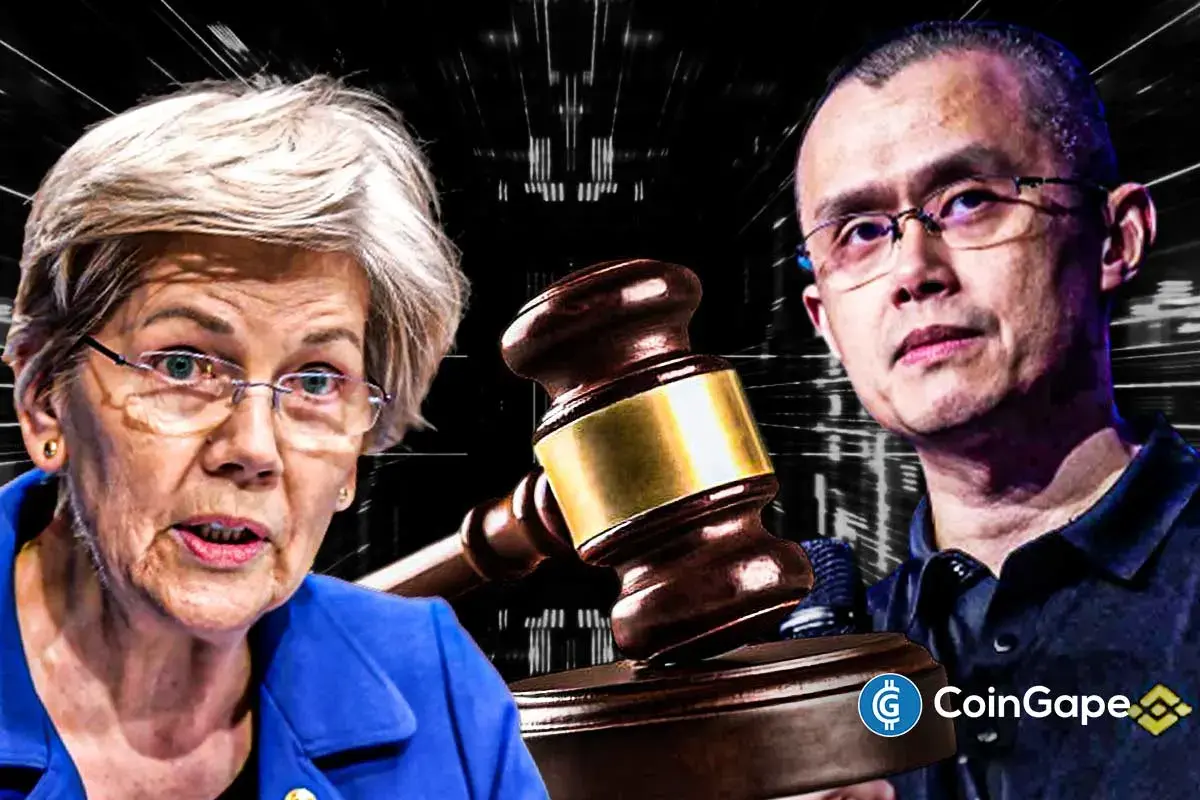
Changpeng Zhao, the founder of Binance, has recently made headlines by announcing plans to file a defamation lawsuit against U.S. Senator Elizabeth Warren. This announcement came on October 29, as Zhao took to social media to respond to what he termed "false statements" made by the senator regarding his legal troubles. Senator Warren’s comments, which insinuated that Zhao had pleaded guilty to money laundering charges and was pardoned by former President Trump due to political connections, have ignited a firestorm of controversy in the crypto community. This article delves into the unfolding drama between Binance’s CEO and the anti-crypto senator, focusing on the implications for the cryptocurrency industry.
Background of the Legal Dispute
In a post on the X platform, Zhao expressed his willingness to launch a lawsuit if Senator Warren does not retract her statements, which he claims misrepresent the facts of his legal situation. Elizabeth Warren, a prominent critic of cryptocurrency and a key figure in the Senate Banking Committee, has often scrutinized the crypto sector and its impact on financial regulations. Following Donald Trump’s pardon of Zhao, which has come under intense scrutiny, Warren made a public statement claiming that Zhao had pleaded guilty to charges related to money laundering. This statement has been labeled as inaccurate, prompting Zhao to seek legal action.
Senator Warren, a member of the Democratic party, has been vocal in her opposition to Trump’s crypto policies and has consistently criticized the influence of the cryptocurrency industry on politics. Her remarks, coming right after Zhao’s pardon, suggest a politically charged agenda, as she urges Congress to combat what she describes as rampant corruption. The implications of this feud extend beyond Zhao and Warren, reflecting larger tensions between regulatory bodies and the burgeoning cryptocurrency space.
Zhao’s Legal Representation and Strategy
In response to the escalating dispute, Changpeng Zhao has enlisted the services of former SEC attorney Teresa Goody Guillen. This strategic move signals Zhao’s intent to take a firm stand against what he views as defamation. Guillen has indicated that if Warren does not retract her statements, Zhao’s legal team will move forward with the lawsuit. This legal strategy not only aims to clear Zhao’s name but also to challenge what many in the crypto community see as an ongoing smear campaign against key industry figures.
Zhao has repeatedly emphasized that there were no charges of money laundering against him, asserting that Warren’s statements are both misleading and harmful. He argues that the legal pressures he faced stemmed from a politicized environment, where regulators and lawmakers—whom he identifies as supporters of rival crypto figures like Sam Bankman-Fried—have formed an "alliance" against him and Binance. This narrative taps into broader concerns within the crypto sector about regulatory overreach and the potential use of government power to suppress innovation.
The Political Backdrop
Zhao’s controversy has unfolded against a politically charged backdrop. Following Trump’s pardon, Warren and other Democrats, including Adam Schiff and Jeff Merkley, have called for unified efforts in the Senate to condemn the ex-president’s decision. In their view, the pardon signifies a troubling relationship between politics and the increasingly lucrative cryptocurrency space. They have further pushed for legislation to prevent elected officials from owning or trading cryptocurrencies, framing it as essential for maintaining the integrity of governance.
This political pushback against cryptocurrency reflects growing concerns among lawmakers about the implications of a rapidly evolving digital asset landscape. As the industry grows in size and influence, it attracts both significant investment and scrutiny. Criticism from individuals like Warren can be pivotal in shaping public perceptions and potentially leading to stricter regulations in the future.
Implications for the Cryptocurrency Industry
The unfolding legal battle between Zhao and Warren has broader implications for the cryptocurrency industry. If Zhao successfully pursues legal action, it could set a precedent for how public figures discuss and represent the cryptocurrency sector. Moreover, the outcome of such a lawsuit might influence regulatory attitudes and legislative efforts around digital assets in the U.S.
Zhao’s case brings to light the ongoing struggle between innovation and regulation within the digital finance space. It highlights the friction that exists when traditional financial systems confront emerging technologies that challenge established norms. As the cryptocurrency sector continues to face regulatory scrutiny, cases like this could either serve as deterrents for industry leaders or galvanize them to fight back against perceived injustices.
Conclusion: A Crypto Showdown
The anticipated legal action between Changpeng Zhao and Senator Elizabeth Warren berths itself at the intersection of law, politics, and innovation. As Zhao seeks to defend his reputation against claims he labels as unfounded, the broader narrative highlights ongoing tensions in the U.S. regarding cryptocurrency and its regulation. The crypto community is keenly watching these developments, as they could significantly influence the operational landscape for the industry moving forward.
In summary, this conflict encompasses far more than personal agendas; it reflects a larger battle over the future of cryptocurrency regulation, the integrity of financial practices, and the role of politics in shaping technological advances. As Zhao and Warren square off, the outcomes will undoubtedly resonate throughout the crypto industry and help define its future trajectory.