




CFTC vs. State Regulators: The Battle for Prediction Market Jurisdiction
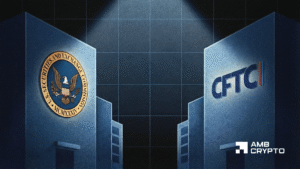
The U.S. Commodity Futures Trading Commission (CFTC), led by Chair Mike Selig, has officially entered the legal arena by filing an amicus curiae brief. This notable step aims to defend the federal jurisdiction over prediction markets such as Polymarket and Kalshi. This move comes in the wake of increased regulatory scrutiny from state authorities, who have claimed that these platforms operate as unlicensed sports betting entities. The clash between the CFTC and state regulators marks a pivotal moment for the future of prediction markets in the United States.
Understanding Prediction Markets
Prediction markets, often likened to betting platforms, allow individuals to speculate on future events by trading shares related to specific outcomes. These markets serve a dual purpose: they provide a mechanism for hedging against commercial risks and act as a barometer for public sentiment, offering insights into what the populace anticipates regarding various issues. The CFTC has a history of regulating these markets, emphasizing their significance in the broader economic landscape. As Chair Selig points out, prediction markets have been under CFTC oversight for over two decades, underscoring their established role in American commerce.
State Regulatory Crackdown
Despite their longstanding regulation by the CFTC, these prediction markets face growing opposition from state regulators seeking to assert their jurisdiction. Platforms like Polymarket and Kalshi have recently come under fire, with allegations suggesting that they engage in unlicensed sports betting through their prediction offerings. This has sparked significant legal battles, including Polymarket’s lawsuit against the state of Massachusetts, which asserts that the CFTC holds jurisdiction over their operations, not state regulatory bodies.
Implications of CFTC Filing
The filing of the amicus curiae brief is intended to bolster the CFTC’s position in ongoing legal challenges concerning prediction markets. By acting as a ‘friend of the court,’ the Commission can equip the court with pertinent information and legal arguments that highlight the importance of federal oversight. This move not only reinforces the CFTC’s jurisdiction over these derivatives markets but also aims to protect the interests of consumers and innovators alike.
Impact on Innovation
The regulatory environment surrounding prediction markets is crucial for fostering innovation in the United States, particularly in the rapidly evolving fintech landscape. The CEO of Coinbase, Brian Armstrong, has articulated concerns that aggressive actions from state regulators could stifle innovative endeavors, including those in the burgeoning sector of digital assets that intersects with prediction markets. Should the courts side with state regulators, it may lead to a chilling effect on other emerging technologies, potentially hampering progress in the U.S. marketplace.
The Future of Prediction Markets
What this ongoing legal battle signifies for the future of prediction markets remains to be seen. A ruling in favor of the CFTC could affirm the federal government’s role in regulating these platforms, thereby providing a more stable framework for both entrepreneurs and consumers. In contrast, a decision favoring state authority could fragment the regulatory landscape, imposing varying legal standards across states and posing challenges for national platforms seeking to innovate. As the CFTC and state regulators continue their tug-of-war over jurisdiction, the ultimate outcome could have far-reaching implications for prediction markets and the broader financial ecosystem.
In summary, the confrontation between the CFTC and state regulators over prediction markets encapsulates a broader discussion about regulatory oversight in the U.S. With significant legal arguments being presented, the resolution of this conflict will likely shape the landscape for prediction markets for years to come. Stakeholders across the financial and technological spectrums are keeping a close watch, as the outcome of this legal battle could either pave the way for innovation or usher in an era of stringent regulation.