



The Impact of Geopolitical Tensions on the Crypto Market
Introduction
The cryptocurrency market is currently experiencing significant turmoil, primarily fueled by rising geopolitical tensions. As conflicts in the Middle East enter their fourth week without resolution, major cryptocurrencies, including Bitcoin, Ethereum, and XRP, are facing sharp declines in value. This article delves into the current state of the crypto market, the impact of these geopolitical issues, and what traders should consider moving forward.
Current Market Overview
According to CoinMarketCap, the cryptocurrency market is estimated to be worth approximately $2.35 trillion, reflecting a notable decline of 1.6%. Major cryptocurrencies are aligning with this negative sentiment. Bitcoin (BTC), for instance, is trading at $88,200, indicating a 1.59% drop in a single day and a 7.4% decline over the past week. Although Bitcoin has managed a minimal increase of nearly 1% in the past month, the overall trading volume has surged by 6.5% to $27.86 billion, indicating that volatility remains prevalent.
Ethereum (ETH) has also shown a lackluster performance, currently valued at $2,052, with a daily decline of 2.88%. Despite a modest 4.87% rise over the past month, Ethereum’s overall metrics reflect a significant downturn with more than 8% in losses. Traders remain active, illustrated by a 20% increase in the 24-hour trading volume, now standing at $14.31 billion.
XRP’s Performance and Broader Market Impact
XRP is not exempt from the broader bearish trend afflicting the cryptocurrency market. Currently trading at $1.38, it’s seen declines of 2.6%, 5.9%, and 3% over the last day, week, and month, respectively. Despite these challenging conditions, traders maintain an optimistic outlook, evidenced by a surge in trading volume to $1.59 million. The overall trend illustrates that while individual cryptocurrencies may be fluctuating, there remains a robust trading appetite among investors.
In addition to individual cryptocurrencies, the current market scenario has adversely affected crypto-related stocks. Notable companies in this sector, including MicroStrategy (MSTR), Coinbase (COIN), and Robinhood (HOOD), have experienced marked declines in their stock prices. Over the course of just one day, MSTR declined by 1.85%, COIN by 2.67%, and HOOD by 4.4%, essentially mirroring the downward trend witnessed in the broader cryptocurrency market.
Geopolitical Factors Driving the Downturn
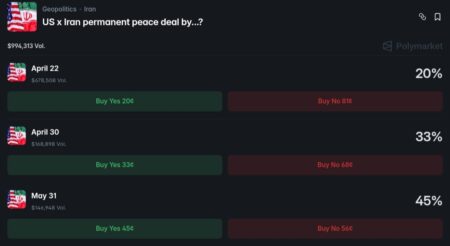
The primary catalyst for the current downturn in cryptocurrency prices can be traced back to escalating geopolitical tensions, particularly the ongoing US-Iran conflict. The situation has intensified over the last four weeks, spurring both nations into increased military operations. Recent statements from former President Donald Trump have added to the urgency; he warned Iran of severe consequences if it attempts to close the strategic Strait of Hormuz. In response, Iran has threatened to retaliate if attacked, further escalating tensions in the region.
Moreover, ongoing hostilities have instilled a sense of uncertainty among global investors, leading many to adopt a cautious approach. The continued reference to possible Federal Reserve interest rate hikes compounds this sentiment, prompting a broader sell-off of cryptocurrencies as investors increasingly seek safer avenues for their capital.
Ongoing Conflicts and Economic Implications
Israel has announced that its military efforts against Iran will likely persist for several weeks, suggesting that the geopolitical instability will not resolve anytime soon. Such conflicts create an environment of uncertainty that extends to global markets, which typically translate to increased volatility in cryptocurrencies.
Rising oil prices, driven by these geopolitical tensions, further complicate the economic landscape. Increased oil prices not only reflect geopolitical instability but can also lead to inflationary pressures, prompting investors to be more cautious. Consequently, many market participants are pivoting towards more stable assets, further impacting cryptocurrencies.
Conclusion: Future Considerations for Traders
As cryptocurrencies grapple with the repercussions of geopolitical tensions in the Middle East, the market’s volatility is likely to continue. Traders should actively monitor both international developments and Federal Reserve announcements, as these factors can significantly influence market dynamics.
While there remains a sense of optimism among some traders, the prevailing conditions suggest that a protective strategy may be the more prudent approach for the time being. Investors looking to engage in the crypto market should tread carefully, as the ongoing geopolitical issues are expected to cast long shadows on market behavior for the foreseeable future.
In summary, understanding the interplay between geopolitical tensions and cryptocurrency values will be critical for making informed investment decisions in the current climate.