


Trump Tariffs on Indian Goods: A Strategic Shift Affecting U.S.-India Trade Relations
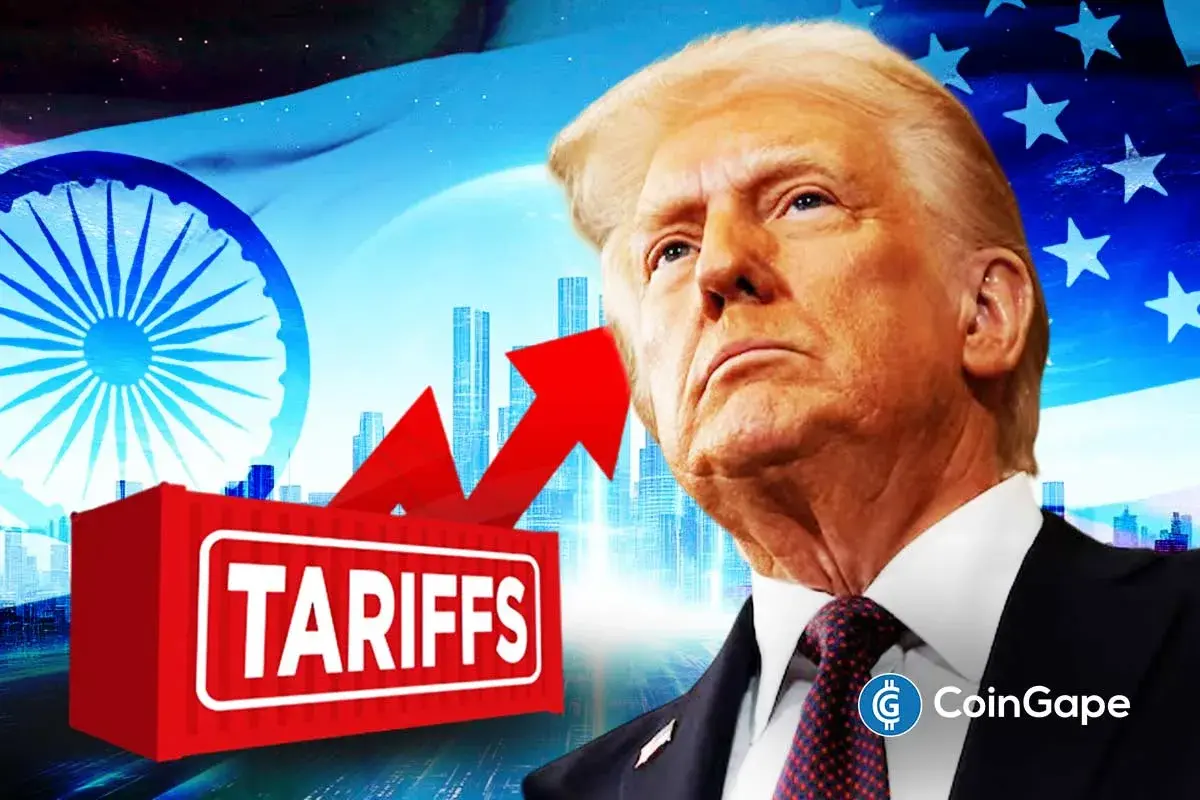
Former President Donald Trump has recently announced plans to raise tariffs on Indian goods, a move linked to India’s increasing oil trade with Russia amidst the ongoing conflict in Ukraine. This statement, made via TruthSocial, has raised eyebrows and concerns about the potential implications for U.S.-India relations. Critics have voiced their discontent, pointing to the ethical and political ramifications of India’s oil trade with Russia as Trump emphasized the need for accountability.
India’s Controversial Oil Trade with Russia
India’s significant imports of Russian oil have drawn sharp criticism from Western leaders, particularly since the onset of the Ukraine war. Trump’s comments highlight a growing concern over how countries engage with Russia, specifically when it comes to oil procurement. Trump’s statement accused Indian authorities of prioritizing profit over humanitarian concerns, suggesting that India’s actions contribute to the so-called "Russian War Machine." This framing not only seeks to influence public opinion against India’s actions but also hints at a more aggressive U.S. stance regarding international trading ethics.
The Implications for U.S.-India Economic Relations
Trump’s announcement of a substantial tariff increase comes at a critical time for U.S.-India economic relations. The United States has historically positioned itself as a key ally to India, particularly in trade. However, the proposed tariffs threaten to strain this relationship by introducing economic barriers. Such measures could impact various sectors, including pharmaceuticals and textiles, which are crucial to India’s economy and integral to U.S. imports. The potential for retaliatory tariffs from India could escalate tensions further, complicating an already delicate economic partnership.
Market Reactions to Tariff Announcements
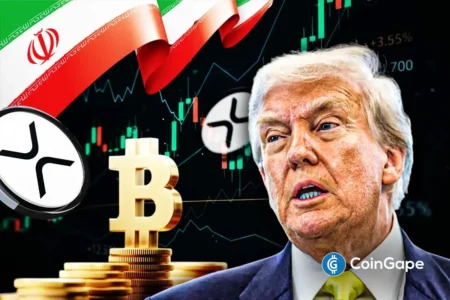
Economic markets are particularly sensitive to Trump’s announcements, as evidenced by the sharp decline in Bitcoin prices following the 25% tariff announcement from July 30. The cryptocurrency market, which had exhibited positive momentum after Trump’s promise to appoint a Fed Governor favoring rate cuts, took a hit as investors reacted to potential uncertainties introduced by new trade policies. The market trends underscore the volatility that often accompanies politically charged economic decisions, particularly those involving tariffs, which can ripple through various financial sectors.
Historical Context and Trump’s Economic Policies
Trump’s tariff threats reflect a broader historical pattern of using economic measures as foreign policy tools. His administration had previously imposed tariffs on multiple countries as part of a "America First" strategy aimed at protecting American industries. The current situation with India signifies a significant escalation in trade disputes. While the U.S. has not typically retaliated economically against India’s energy policies, Trump’s shift indicates a potential redirection of diplomatic strategy that could have lasting consequences.
Navigating Future U.S.-India Relations
As the 2024 presidential campaign looms, Trump’s policy decisions may also be viewed in light of upcoming election strategies, positioning him against global competitors. This tactic could resonate with domestic audiences who are increasingly concerned about foreign influences and external conflicts. However, Trump’s approach raises critical questions about effective diplomatic engagement. The U.S. and India must navigate these complex economic waters to maintain and strengthen their ties while considering the implications of external geopolitical dynamics.
Conclusion: The Path Forward
The announcement of increased tariffs on Indian goods by Trump introduces an intricate challenge for both countries. With the potential for economic repercussions affecting multiple sectors, the urgency for dialogue is paramount. Finding common ground remains essential to ensure that both nations can coexist harmoniously despite political pressures. As international relations evolve, the priorities set today will impact future collaborations, indicating that effective negotiation and mutual respect are crucial for sustainable trade and diplomacy.
In conclusion, the upcoming months will be pivotal for U.S.-India economic relations, as Trump’s tariff threats may forever alter the landscape of trade and diplomacy between these two significant global partners. Stakeholders on both sides must act thoughtfully to avoid unnecessary escalations while promoting a framework that supports economic growth and stability.