



The End of the Tornado Cash Lawsuit: Insights and Implications
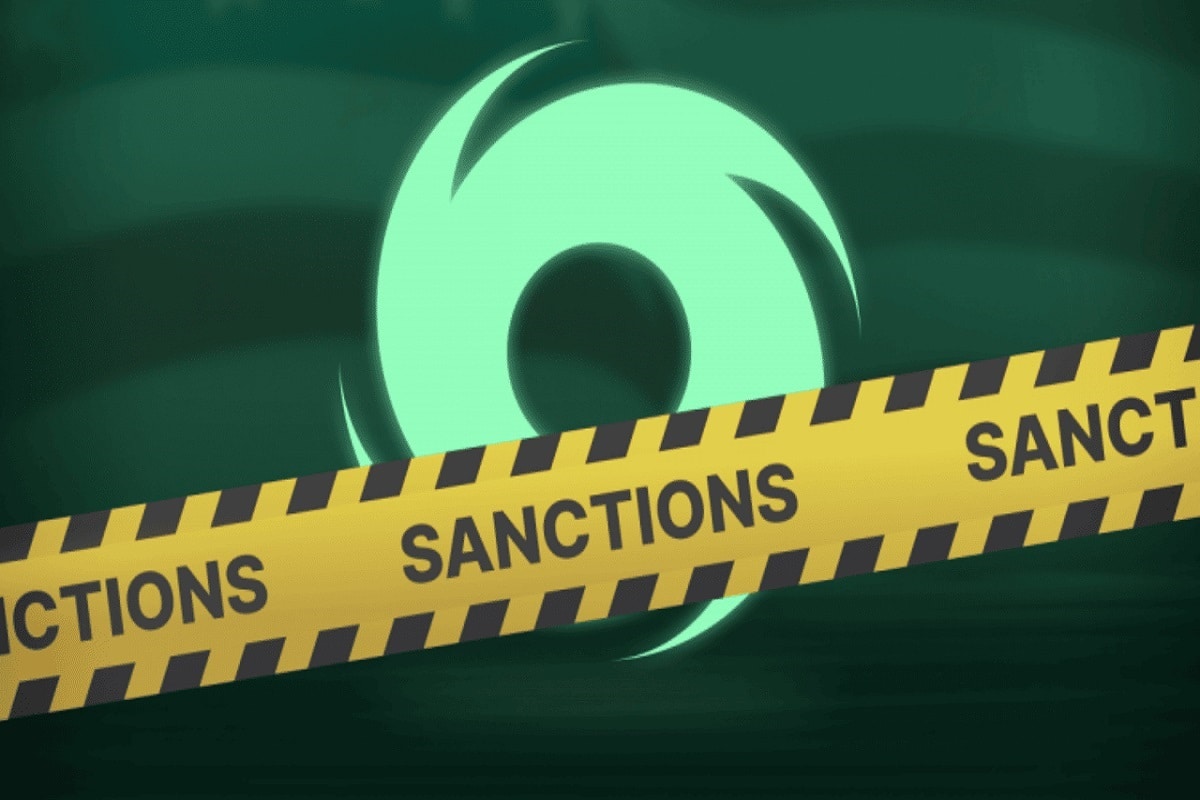
In a significant turn of events, the U.S. Treasury Department has officially dropped its appeal against Tornado Cash, a cryptocurrency mixer that was previously sanctioned. This decision marks the end of a tumultuous legal battle, initially ignited by the government’s sanctions and further propelled by appeals and counteractions from various parties, including the advocacy group Coin Center. With the appeal dismissed, Tornado Cash can breathe a sigh of relief, but the legal landscape remains complicated for its key developer, Roman Storm.
Background of the Lawsuit
Tornado Cash came under scrutiny in August 2022 when the U.S. Treasury’s Office of Foreign Assets Control (OFAC) imposed sanctions on the platform, alleging its involvement in facilitating money laundering and other illicit activities. The controversy sparked widespread debate over the government’s authority to regulate decentralized protocols and the implications for user privacy in the cryptocurrency space. The situation escalated into a full-fledged lawsuit, with numerous stakeholders voicing concerns about freedom of expression and financial privacy versus regulatory compliance.
Coin Center’s Involvement
Coin Center, a blockchain advocacy group based in Washington, D.C., played a pivotal role in challenging the sanctions. The organization’s Executive Director, Peter Van Valkenburgh, made it clear that the battle centered around the government’s interpretation of sanctions laws. According to Coin Center, the Treasury Department’s stance was recklessly broad, posing risks to innovation and privacy in the burgeoning crypto sector. The agreement to end the appeal signifies a collaborative effort to address the overreach of regulatory measures affecting decentralized technologies.
The Court’s Decision
The U.S. Court of Appeals for the Eleventh Circuit granted a joint motion from the U.S. Treasury and Coin Center to dismiss the appeal, labeling it moot. According to court filings, the cessation of the appeal implies that no further legal proceedings will affect the underlying issues discussed. The decision signals not just a resolution for Tornado Cash but also highlights the ongoing challenges regulators face in managing decentralized systems.
Reactions from Industry Leaders
Industry leaders have reacted positively to the dismissal of the appeal, viewing it as a victory for both the cryptocurrency community and for privacy advocates. Coinbase’s Chief Legal Officer, Paul Grewal, previously praised the court for a judgment that vacated the sanctions against Tornado Cash, which many considered an essential ruling for the broader crypto ecosystem. This development reflects a growing consensus among experts that the existing regulatory frameworks need reevaluation to better accommodate blockchain technologies and their unique characteristics.
Ongoing Legal Challenges
While the appeal against Tornado Cash is formally concluded, Roman Storm, its prominent developer, continues to face legal challenges. His situation serves as a reminder that individual stakeholders in the crypto space may still need to navigate complex legal waters despite broader victories. The fallout from the sanctions and associated lawsuits serves as a cautionary tale for developers and entrepreneurs in the blockchain sector, emphasizing the importance of compliance and the need for clear legal guidelines.
Looking Ahead: Future Implications
The conclusion of the Tornado Cash lawsuit marks a significant moment in the ongoing dialogue between regulators and the cryptocurrency community. As the sector seeks to establish itself within legal frameworks, this case will likely serve as a reference point for future discussions about privacy, regulation, and innovation. It prompts necessary conversations about how lawmakers can foster an environment that encourages growth while ensuring consumer protection and accountability.
In summary, the dismissal of the appeal against Tornado Cash signifies a crucial juncture for the cryptocurrency landscape. While it brings closure to a contentious legal chapter, it underscores the ongoing complexities and challenges that developers and operators face. The discourse ignited by this case will undoubtedly shape the future of regulatory measures in the blockchain ecosystem, encouraging a balanced approach that respects innovation and individual rights.